

Introduction to Casters and Workspace Efficiency
Casters are essential components in numerous industries, comprising mainly a wheel affixed to a swivel mechanism. This design enables smooth and multidirectional movement, making equipment transportation more efficient. The typical structure of a caster includes the wheel, axle, and a fork or mounting plate, which together allow for easy attachment to various equipment.
By incorporating casters, workplaces can significantly enhance their efficiency. They allow for the seamless movement of heavy tools and machinery, thereby reducing physical strain on workers and diminishing the time required for task completion. This enhancement in mobility not only improves productivity but also contributes to a safer, more ergonomic working environment.
Types of Casters and Their Benefits
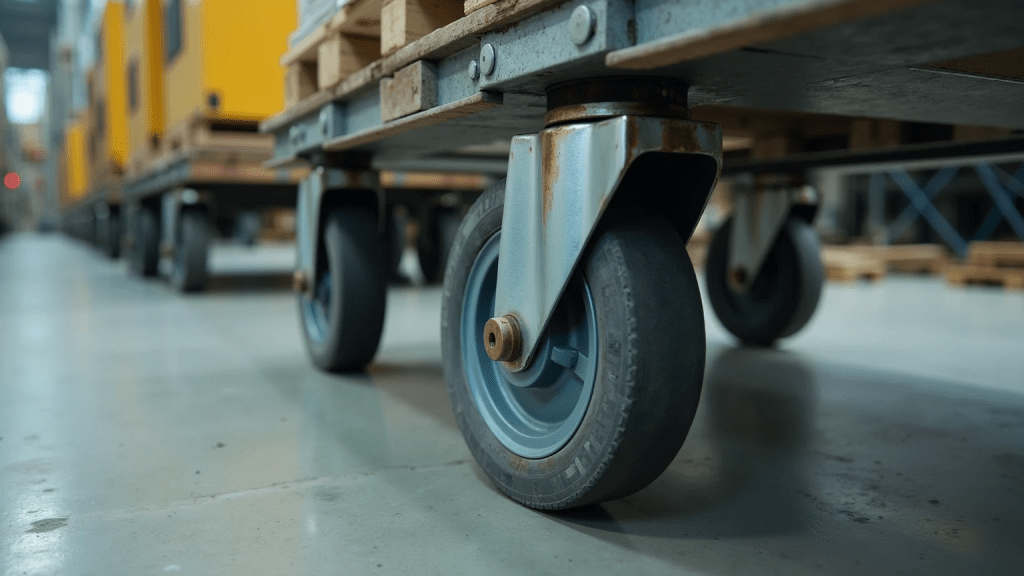
Heavy-duty cast iron casters are an ideal choice for industrial applications due to their robust weight capacity and durability. These casters can support significant loads and withstand harsh conditions, making them perfect for warehouses and manufacturing plants. Their solid construction ensures a long lifespan, even under continuous use, thereby enhancing operational efficiency and reliability.
In contrast, soft rubber and polyurethane casters offer exceptional shock absorption, making them suitable for environments that require delicate handling, such as hospitals and office settings. These materials protect sensitive flooring from damage by providing a smooth and quiet rolling experience. Their flexibility in movement also aids in maneuverability, ensuring minimal disruption in environments where noise needs to be controlled.
Glass filled nylon casters are another specialized option, offering resistance to chemicals and suitability for cleanroom environments. These casters are capable of handling various substances without degrading, making them an excellent choice for laboratories and healthcare facilities. The robustness of glass filled nylon ensures stability and longevity, even when exposed to challenging conditions.
These caster types not only serve distinct purposes but also bring specific benefits that enhance the efficiency of different industrial and commercial environments. By selecting the appropriate caster type, businesses can achieve optimal movement and reduced maintenance needs, thereby maximizing productivity.
How Casters Enhance Mobility and Flexibility
Casters play a significant role in facilitating movement within workspaces, thereby reducing manual handling and minimizing the risk of injuries. By incorporating casters into furniture and equipment, employees can easily relocate heavy items without exerting excessive physical effort. This not only enhances the efficiency of operations but also contributes to a safer work environment by lowering the likelihood of musculoskeletal injuries associated with lifting and carrying heavy loads.
Additionally, casters offer the ability to adapt to changes within workspaces, such as reconfiguring layouts or enhancing adaptability in lean manufacturing environments. In dynamic workplaces, the need to reorganize equipment and workstations is common, and casters provide the necessary flexibility to accommodate such transformations. Whether transitioning between processes or adjusting to new production lines, casters enable seamless movements, facilitating a smoother workflow and allowing businesses to maintain peak productivity even amidst internal changes.
Adding Efficiency Through Customization
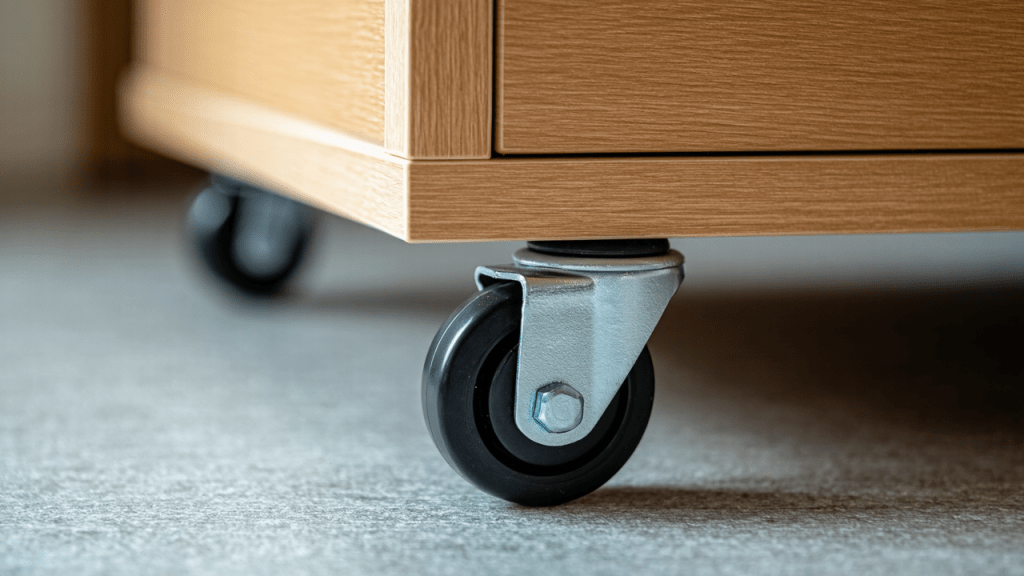
Customization of casters is a crucial method to boost the efficiency and functionality of workspaces. By tailoring casters to the specific needs of machinery or distinct setup requirements, businesses can significantly enhance operational efficiency. For instance, selecting casters with particular load capacities or materials optimized for specific environments can lead to smoother, safer, and faster movement. Additionally, casters can be equipped with specialized features like locking mechanisms or swivel actions, catering to specialized applications and thereby improving productivity.
Pre-built caster combinations also present notable benefits, streamlining the selection process and expediting the installation or upgrade phases. These pre-configurations simplify decision-making by offering ready solutions that suit typical requirements, saving time and reducing errors in choosing the right components. This approach not only facilitates quick deployment but also ensures consistency in quality and performance across different applications. Such efficiencies can be critical in dynamic environments, where time and precision are of the essence.
Maintenance and Longevity of Casters
To ensure the longevity and optimal performance of casters, regular maintenance practices should be adhered to diligently. Key maintenance tasks include thorough cleaning to remove any debris or dust, lubrication of moving parts to minimize friction, and periodic inspections to identify potential issues early on. These practices help in preventing unnecessary wear and tear, thus extending the lifespan of the casters considerably. According to industry standards, it’s advised to conduct a detailed check of the caster components at least every six months.
Recognizing the signs of wear in casters is crucial for maintaining a safe and efficient work environment. Common indicators include uneven rolling, which may suggest a distorted wheel, or unusual noises that could signal a need for lubrication or replacement of parts. Guidelines suggest that if a caster display any misalignment, cracks, flat spots, or persistent squeaks, it is time to consider replacing them. Regular attention to these aspects ensures that the machinery operates smoothly and avoids unexpected disruptions in workflows.
Conclusion: Maximizing Your Workspace with Casters
In conclusion, selecting the right casters is crucial for optimizing workspace efficiency. Investing in casters that match your specific needs can drastically enhance productivity by enabling smooth mobility and reducing physical strain. Consider the needs of your workspace, whether it involves heavy loads, delicate surfaces, or varying terrains. Each factor influences the type of caster you choose, from materials to size and load capacity.
Encourage yourself to evaluate your current workspace setup to identify potential improvements with updated casters. Modernizing your caster selection not only enhances productivity but also ensures comfort and ease of use, fostering a more versatile working environment. Feel free to consult with experts to determine the best caster options tailored for your applications.
FAQ Section
Why are casters important for workplace efficiency?
Casters enable easier movement of heavy items, reducing physical strain on workers and enhancing productivity by speeding up task completion. They also contribute to safer and more ergonomic work environments.
What are the different types of casters and their uses?
Different casters include heavy-duty cast iron for industrial applications, soft rubber and polyurethane for environments like hospitals, and glass-filled nylon for chemical resistance in cleanroom settings. Each type serves specific purposes based on load capacity and environmental requirements.
How can casters be customized?
Casters can be tailored according to specific load capacities, materials, and specialized features like locking mechanisms to improve functionality and efficiency in various work settings.
What are the maintenance practices for casters?
Regular cleaning, lubrication, and inspections are essential. Recognizing signs of wear, such as uneven rolling or noise, ensures timely replacement and avoids disruptions, maintaining safety and efficiency.





留下评论