

Understanding Carton Boxes for Your Packaging Solutions
Carton boxes are versatile packaging solutions widely used in various industries for shipping and storage. These boxes are primarily crafted from paperboard or cardboard, making them lightweight yet durable enough to protect goods. The demand for carton boxes continues to rise due to their cost-effectiveness, adaptability, and customizable nature, making them an ideal choice for businesses of all sizes.
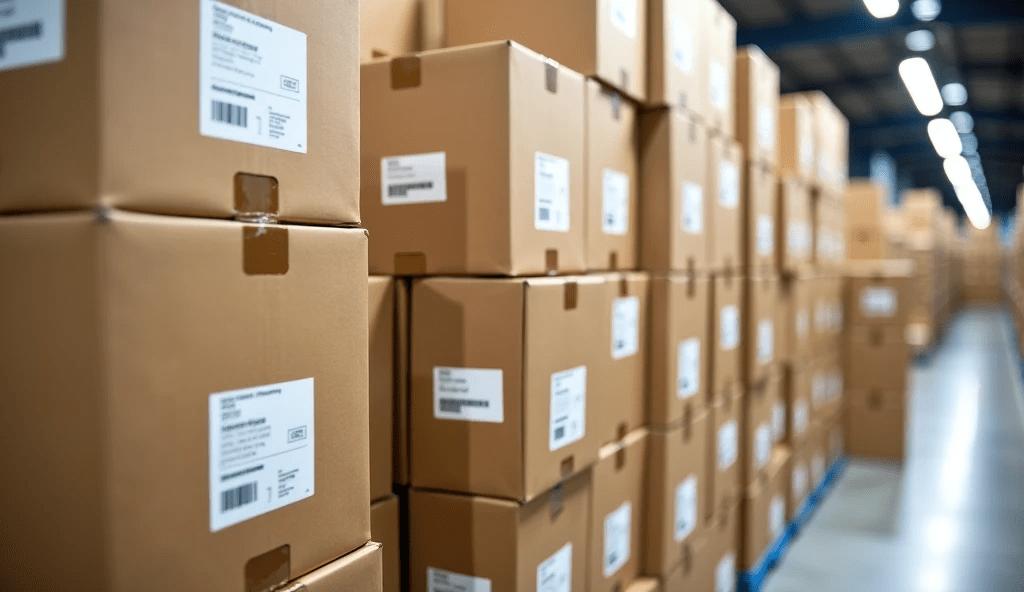
Several types of carton boxes cater to different packaging needs. Regular Slotted Containers (RSC) are the most common type, known for their efficient material usage and sturdy structure, making them perfect for shipping items. Telescope-style boxes come in two parts, offering additional protection with an extendable lid ideal for storing fragile items. Die-cut boxes, customized to specific shapes and sizes, are a favorite for intricate or unique product packaging. Each type serves distinct purposes, providing businesses with a wide array of options tailored to their specific requirements.
Key Benefits of Using Carton Boxes
Carton boxes offer substantial protective qualities that safeguard products during transit or storage. They are designed to withstand impacts and provide moisture protection, ensuring that goods arrive in optimal condition. For industries such as electronics and cosmetics, these protective features are crucial to maintaining product integrity and customer satisfaction.
One of the foremost advantages of carton boxes is their cost-effectiveness. According to industry data, the cost of paperboard and cardboard used in carton boxes is significantly lower than materials like plastic or metal. This affordability enables businesses to reduce packaging expenses, ultimately increasing their bottom line without compromising on quality.
Carton boxes are also a sustainable packaging option, which is increasingly important as companies align their practices with environmental goals. Made from renewable resources, carton boxes are readily recyclable, minimizing waste and reducing environmental impact. This eco-friendliness is highly valued by both businesses and consumers striving for more sustainable lifestyle choices.
Factors to Consider When Choosing Carton Boxes
Selecting the right carton box involves assessing the product weight and size to ensure optimal protection. The dimensions and strength of the carton must align with the product it holds to prevent damage. Heavier or bulkier items may require double-walled boxes for added support, whereas lightweight goods might only need single-walled boxes. For instance, a study showed that inadequately sized packaging led to a 12% increase in product damage during shipping.
Customization is a critical factor that enhances brand visibility and consumer connection. You can tailor carton boxes to fit specific products and incorporate unique designs. Options like custom printing, which uses high-quality graphics and personalized text, make your packaging stand out among competitors. Statistics reveal that 72% of consumers say packaging design influences their purchasing decisions, emphasizing the importance of a visually appealing box.
Furthermore, the printability and design quality significantly impact consumer perceptions. High-quality graphics and bold designs can draw attention and ensure a memorable unboxing experience. A well-designed box is more than just a container—it’s a marketing tool that communicates brand values and quality, ultimately driving purchase decisions.
Common Styles of Carton Boxes
When selecting carton boxes for packaging, it’s essential to understand the various common styles available. Tuck top boxes are a popular choice due to their ease of use and versatility, particularly in retail settings. They open and close effortlessly, making them ideal for products that require frequent access, such as baked goods or stationery. Their simple yet functional design makes them suitable for a wide range of applications across different industries.
Auto-lock bottom boxes, on the other hand, offer advantages in terms of packing efficiency and security during shipping. These boxes have a pre-constructed bottom that automatically locks into place, eliminating the need for additional tape or glue. This not only saves time during the packing process but also ensures that the contents are securely held in place, reducing the risk of damage during transportation. This style is particularly beneficial for shipping heavier items that require added stability.
Another common style is the straight tuck end box, which is renowned for its sleek design and is frequently used in cosmetic and food packaging. The straight tuck end creates a clean and professional appearance with both the top and bottom tucks on the same panel side. This design is particularly favored for products that need to stand out on retail shelves, offering a minimalist yet effective way to showcase branding and essential product details.

How to Optimize Your Packaging with Carton Boxes
Optimizing your packaging with carton boxes not only enhances visual appeal but can significantly influence customer buying behavior. Custom designs and branding on carton boxes play a crucial role in creating a memorable first impression. Utilizing vibrant colors, unique graphics, and engaging textures can capture consumer attention and differentiate your product from competitors. In a market where branding has become paramount, an eye-catching package can elevate your brand image and encourage customer loyalty.
Beyond aesthetics, the functionality of carton boxes in shipping and storage provides substantial logistical benefits. Carton boxes are designed for easy stackability and assembly, thus streamlining supply chain processes by maximizing storage efficiency. Their lightweight nature and structured design facilitate convenient handling and reduce shipping costs. As businesses aim to enhance operational efficiency, choosing the right carton box can play a critical role in achieving seamless transportation and storage solutions. These features collectively make carton boxes an invaluable asset in both protecting products and promoting brand identity.
Conclusion
Carton boxes play a crucial role in effective packaging, offering both functionality and a compelling platform for branding. Their cost-effectiveness, customization options, and environmental benefits make them a versatile choice in the packaging industry.
FAQ
What are carton boxes made of?
Carton boxes are primarily crafted from paperboard or cardboard, making them lightweight yet durable enough to protect goods.
Why are carton boxes considered cost-effective?
Carton boxes are considered cost-effective because the materials used to make them, like paperboard and cardboard, are significantly cheaper compared to alternatives such as plastic or metal.
Can carton boxes be customized?
Yes, carton boxes can be tailored to fit specific products with options like custom printing and unique designs to enhance brand visibility and consumer connection.
What are the environmental benefits of using carton boxes?
Carton boxes are eco-friendly as they are made from renewable resources and are readily recyclable, minimizing waste and reducing environmental impact.
What should I consider when choosing a carton box?
Consider the product weight and size, necessary protection, and customization options to ensure the carton box meets your specific needs and provides adequate protection.





留下评论