

Understanding Tool Storage Solutions
Effective tool storage is crucial for maintaining efficiency and safety in any workspace. When tools are disorganized, employees can waste significant time searching for necessary equipment, which can hinder productivity. Moreover, studies in workplace safety highlight that cluttered and disorganized workspaces can lead to accidents, as employees may trip over misplaced tools or use the wrong tool for the task at hand. To avoid these issues, implementing a well-thought-out tool storage strategy is essential.
There are various tool storage options available to suit different needs, such as toolboxes, pegboards, and shelving units. Toolboxes are often compact and portable, making them ideal for transporting tools to different sites, although they may have limited capacity. Pegboards offer great accessibility by allowing tools to be hung on a wall, minimizing floor space usage and maximizing efficiency. However, they might not provide sufficient protection against dust or moisture. Shelving units, on the other hand, are perfect for stationary storage, offering ample space for a wide array of tools but requiring significant floor space and often having higher installation costs. Each option has its pros and cons, so selecting the right storage solution depends on the specific needs of the workspace, budget, and the type of tools being stored.
Workshop Storage Ideas for Your Tools
Tool chests and cabinets are essential for keeping tools organized and secure in any workshop setting. They come in various designs and configurations, including mobile and stationary options. Mobile tool chests are perfect for those who frequently change their work locations as they offer flexibility and ease of movement, while stationary cabinets provide a more robust storage solution for permanent setups. By separating tools by type with drawer organizers, you can quickly locate what you need, reducing downtime and enhancing productivity. Investing in weather-resistant materials, such as powder-coated steel or plastic, is crucial for protecting tools from rust and extending their lifespan.
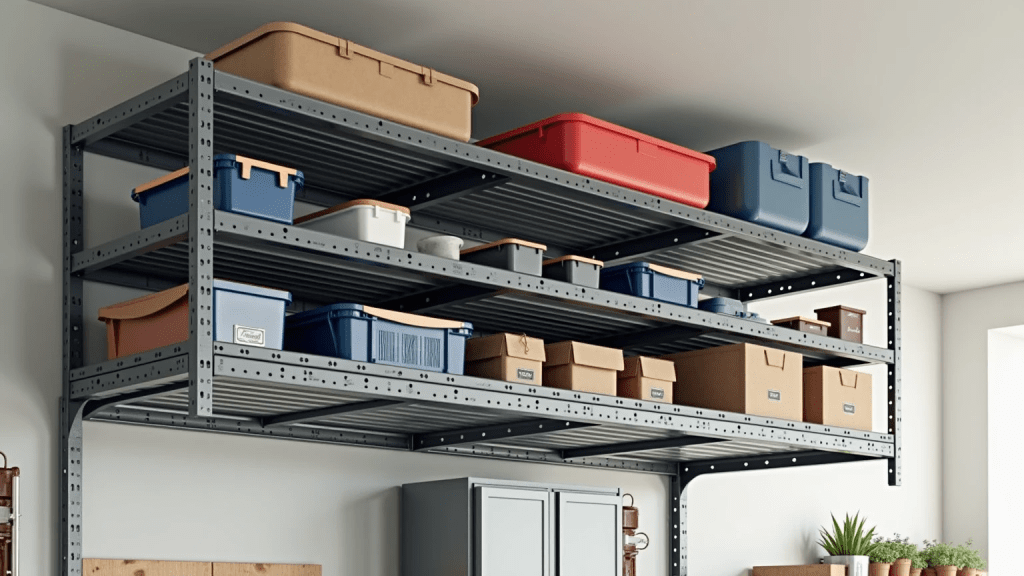
Wall organization systems, such as pegboards and shelves, offer effective ways to maximize floor space and provide easy access to tools. Pegboards, with their customizable hooks and holders, allow for adaptability and efficient storage of frequently used tools. Statistics show that well-organized workspaces can boost productivity by up to 20%, highlighting the importance of vertical storage solutions. Shelves, on the other hand, offer a practical option for keeping things off the floor and facilitating easy scanning of inventory. By incorporating these systems, you can create a clutter-free, efficient workspace that enhances both safety and productivity.
Mobile Tool Storage Strategies
Optimizing service vehicles for tool storage can significantly enhance efficiency on the go. Effective compartmentalization is key, with solutions like shelves, drawers, and mounted rails which help keep tools organized and easily accessible. Implement secure storage options with lockable toolboxes and secure clasps to minimize loss or theft, and use LED lighting for visibility in low-light conditions. Organizing tools around access points, like doors, ensures quick retrieval, saving time and effort across varying job sites.
For portable tool organization, consider using tool bags and organizers designed for both flexibility and ease of identification. Tool bags come in various forms, such as canvas bags for flexibility and hard cases for protection against harsh environments. Use labeling strategies on all containers for quick identification of tools. Grouping tools by task rather than type can streamline processes, allowing workers to grab one bag for a specific job. Additionally, foam inserts can be used within containers to prevent damage, while smaller components like nuts and bolts can be organized in divided containers for easy access. Regular checks of these portable systems can help ensure tool availability and efficiency on site.
Optimizing Your Tool Organization
Effective storage solutions for sockets and wrenches are crucial to maintain an orderly workspace and to protect these tools from potential damage. Utilizing socket rails and magnetic holders significantly aids in preventing tool loss and ensures easy accessibility. Socket rails are economical and can withstand vibrations, making them ideal for vehicle use. In contrast, magnetic socket organizers are useful for quick access and can transition from fixed to portable applications effortlessly. To maximize efficiency, it is advisable to organize sockets by size and store them alongside their corresponding ratchets, thus minimizing confusion.
Moreover, power tool storage requires thoughtful consideration to address safety and accessibility. By implementing systems that protect tools from dust, moisture, and accidental drops, you extend the life of your equipment. Experts suggest investing in storage options that accommodate battery charging facilities and keeping cords and accessories in designated compartments. Such systems not only safeguard the power tools but also ensure that when you reach for your drill or saw, it’s ready for use without needing to detangle cords or search for necessary accessories. This streamlined approach is in line with safety guidelines and enhances productivity by reducing downtime associated with tool searching and preparation.
Maintenance for Tool Storage Systems
Maintaining tool storage systems is essential to ensure they remain in good condition and continue to function effectively. Regular maintenance should include thorough inspections to identify any wear or damage, as well as prompt repairs to fix any issues found. This can prevent further deterioration and extend the lifespan of your storage systems. According to maintenance experts, keeping an eye out for loose screws, worn-out hinges, and compromised locks can save time and money in the long run by avoiding extensive repairs or replacements.
A regular cleaning routine is crucial for maintaining tool storage systems. Cleaning removes dust and debris that can damage tools and the storage units themselves. Essential tools for cleaning include soft cloths, mild detergents, and compressed air for hard-to-reach areas. It’s important to follow safety precautions, such as wearing gloves and ensuring the workspace is ventilated, to protect yourself from any hazardous materials. Maintenance specialists recommend creating a cleaning schedule and sticking to it, as this ensures systems remain in top condition and reduces the risk of neglect.

Maximizing Efficiency in Tool Storage
Maximizing tool storage efficiency involves implementing organization tips like color coding and grouping similar tools together. Research has shown that color coding can increase efficiency by up to 15% by reducing the time spent searching for tools. By labeling and grouping tools, you can quickly locate what you need, saving both time and frustration. Items such as power tools should be stored with their accessories to streamline access and prevent misplacement.
Choosing the right products for tool storage is crucial, depending on the types of tools and the available workshop space. Industry standards suggest using plastic aftermarket toolboxes, as they stack well and are durable. Additionally, reading product reviews can guide decisions, providing insights into which storage solutions offer the best space management for specific tool types and constraints.
FAQ
What is the most effective tool storage solution?
The most effective tool storage solution depends on your specific needs and constraints, such as the type of tools you have, your available space, and budget. Options include toolboxes for portability, pegboards for accessibility, and shelving units for capacity.
How can I keep my tools protected from rust?
Investing in weather-resistant materials like powder-coated steel or using plastic storage options can help protect tools from rust. Additionally, ensure your storage area is dry and clean, and consider using rust-inhibiting products.
Why is regular maintenance important for tool storage systems?
Regular maintenance helps prevent further deterioration, extends the lifespan of the storage systems, and ensures tools remain in good condition. It involves checking for wear, cleaning, and repairing any issues promptly.
How do I maximize floor space in my workshop?
Utilize wall organization systems like pegboards and shelves, which keep tools easily accessible while maximizing floor space. These systems make efficient use of vertical space and promote a clutter-free environment.
What are the benefits of color coding in tool organization?
Color coding can improve efficiency by up to 15% by reducing time spent searching for tools. It helps you quickly identify and locate tools, saving time and reducing frustration.





留下评论