

Introduction to 55 Gallon Drums
A 55-gallon drum is a cylindrical container widely used for storage and transportation purposes. These drums typically measure 23 inches in diameter and 35 inches in height, offering ample capacity for a variety of materials. They are commonly made from steel, plastic, or fiber, with each material offering distinct benefits depending on the intended use. Standard specifications ensure these drums can be consistently utilized across diverse applications, making them a mainstay in industry logistics. The 55-gallon drum was developed in the early 20th century to meet the burgeoning need for efficient storage and transport solutions in various industries. Initially designed for the oil industry, they quickly became a standard due to their durability and ease of handling. Over time, other sectors adopted these drums, recognizing their value in streamlining the transport of bulk goods. Today, 55-gallon drums are indispensable across multiple industries, showcasing their versatility. Whether used for storing oil, chemicals, food, or pharmaceutical products, these drums play a critical role in ensuring goods are stored safely and transported efficiently. Their widespread use speaks to their cost-effectiveness and adaptability, making them an essential component of modern supply chains.
Innovative Ways to Repurpose 55 Gallon Drums
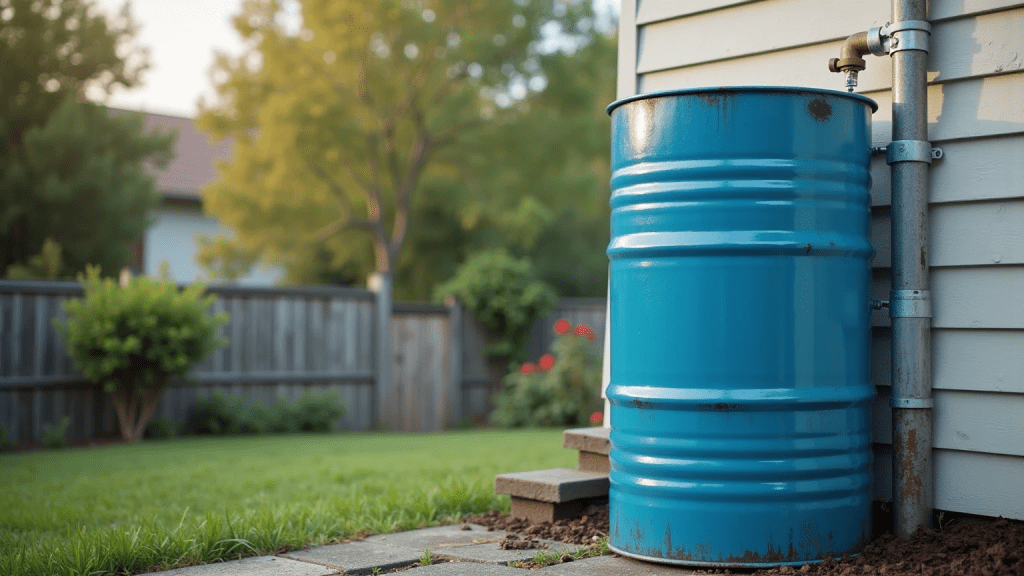
Repurposing 55-gallon drums into outdoor furniture is a creative and sustainable approach to utilizing these versatile containers. These drums can be transformed into various pieces of furniture like chairs, tables, and benches. For instance, cutting the drum in half vertically can serve as the base for a sturdy bench. Additionally, adding decorative elements like paint or cushions can enhance their aesthetic appeal and comfort. Modifications such as welding legs or attaching wood slats can offer additional support and style, making these furniture pieces both functional and visually attractive. Another innovative application for 55-gallon drums is using them as planters or garden beds. The process involves cutting the drum to the desired height and ensuring proper drainage by drilling holes at the bottom. Metal drums need treatment to prevent rust, while the interior of plastic drums should be lined to avoid toxic exposure. Certain plants such as tomatoes, peppers, and ornamental flowers thrive well in these environments. With a bit of creativity, these planters can contribute significantly to urban gardening projects or community green spaces, promoting environmental sustainability. Beyond furniture and gardening, 55-gallon drums can serve numerous other creative purposes that enrich recreational spaces. For example, they can be converted into rainwater collection barrels, fire pits, or even musical instruments. These transformations not only reduce waste but also foster resourcefulness within communities. In turn, repurposing efforts can help advance sustainability initiatives, offering practical and eco-friendly solutions that make innovative use of available resources.
Energy and Sustainability with 55 Gal Drums
Utilizing 55-gallon drums for rainwater harvesting is an effective way to conserve water and promote sustainability. These systems collect rainwater from roofs and store it for future use, reducing dependency on municipal water supplies. To set up a rainwater harvesting system, you’ll need a 55-gallon drum, a gutter diversion kit, and a spigot. The process involves connecting the gutter system to the drum, ensuring it is securely positioned to collect maximum rainfall, and installing a spigot for easy access to stored water. Another sustainable use for 55-gallon drums is DIY biofuel production. This involves transforming organic waste into usable energy, reducing reliance on fossil fuels. To create a biofuel production setup at home, gather materials such as a drum, organic waste, tubing, and a fermentation agent. The process involves collecting the waste in the drum, adding the fermentation agent, and connecting tubing to capture the produced gas. It is crucial to follow a step-by-step guide to maintain safety and maximize energy output. Studies highlight the environmental benefits of repurposed barrels in sustainability efforts. By reusing materials like 55-gallon drums, communities can significantly reduce waste. For instance, conservation statistics indicate that using repurposed barrels for energy and water conservation can lower waste by 15% and improve resource efficiency, contributing positively to environmental sustainability efforts worldwide.
Art and Creativity Using 55 Gallon Drums
The versatility of 55-gallon drums has inspired artists to create stunning sculptures and installations. Notable artists have transformed these industrial objects into eye-catching works that capture the public’s attention. For example, some have used these drums to construct large-scale urban art pieces, highlighting themes of industrialism and sustainability. These projects often become focal points in public spaces, merging creativity with environmental consciousness. Creating functional art pieces from 55-gallon drums, such as decorative furniture and garden decor, involves innovative techniques like cutting, welding, and painting. Many artists transform drums into unique chairs, tables, or planters, offering sustainable alternatives to traditional materials. These creations not only appeal to environmentally conscious consumers but also tap into niche markets that value handcrafted and upcycled designs. Community initiatives often encourage recycling into art, fostering public engagement and promoting environmental awareness. Events and workshops may teach locals how to repurpose drums into artistic displays, contributing to urban beautification and cultural enrichment. This collaborative approach not only supports artistic expression but also reinforces the importance of sustainability in art.
Safety and Regulations for Using 55 Gallon Drums
Understanding the safety and regulatory standards for using 55-gallon drums is essential for ensuring compliance and protecting public health. According to the Environmental Protection Agency (EPA), these drums must adhere to strict compliance standards, especially when storing or transporting hazardous materials. The EPA outlines specific regulations, including proper labeling, material compatibility, and waste disposal procedures, designed to prevent environmental contamination and accidents. Implementing best practices for safety is crucial when handling and repurposing 55-gallon drums. These include guidelines for safely transporting, storing, and using the drums to prevent hazardous material leaks. Proper storage entails keeping these drums on an impermeable surface and away from direct sunlight to avoid spills or reactions. Emergency procedures should also be in place, such as spill containment kits and regular safety drills, to address any unforeseen incidents promptly. Labeling and maintaining barrels according to industry safety standards cannot be understated. Proper labeling provides critical information regarding the content of the drum, which is essential for both safety and regulatory compliance. Moreover, regular maintenance checks are necessary to identify any signs of wear or damage, minimizing the risk of accidents and ensuring that the drums continue to meet industry standards. This proactive approach plays a significant role in safeguarding not only individual safety but also environmental health.

Conclusion: The Versatility of 55 Gallon Drums
55-gallon drums are utilized across numerous sectors for their adaptability and efficiency. From storing chemicals to being repurposed as upcycled furniture, their uses are vast and varied. Emphasizing sustainability, these drums encourage innovative repurposing, offering communities a chance to creatively contribute to environmental conservation. These applications not only extend their lifespan but also promote responsible resource management.
FAQ
What are the typical dimensions of a 55-gallon drum?
The standard dimensions of a 55-gallon drum are approximately 23 inches in diameter and 35 inches in height.
What materials are 55-gallon drums typically made of?
55-gallon drums are commonly made from steel, plastic, or fiber, each offering distinct benefits depending on the intended use.
What are some creative ways to repurpose 55-gallon drums?
55-gallon drums can be repurposed into outdoor furniture, garden planters, rainwater collection barrels, fire pits, and even musical instruments.
How can 55-gallon drums contribute to sustainability?
By repurposing 55-gallon drums, communities can enhance sustainability efforts through water conservation, DIY biofuel production, and urban gardening initiatives.
What are the safety regulations for using 55-gallon drums?
Safety regulations include compliance with EPA standards for labeling, material compatibility, and proper disposal, as well as guidelines for safe handling and storage practices.




留下评论