
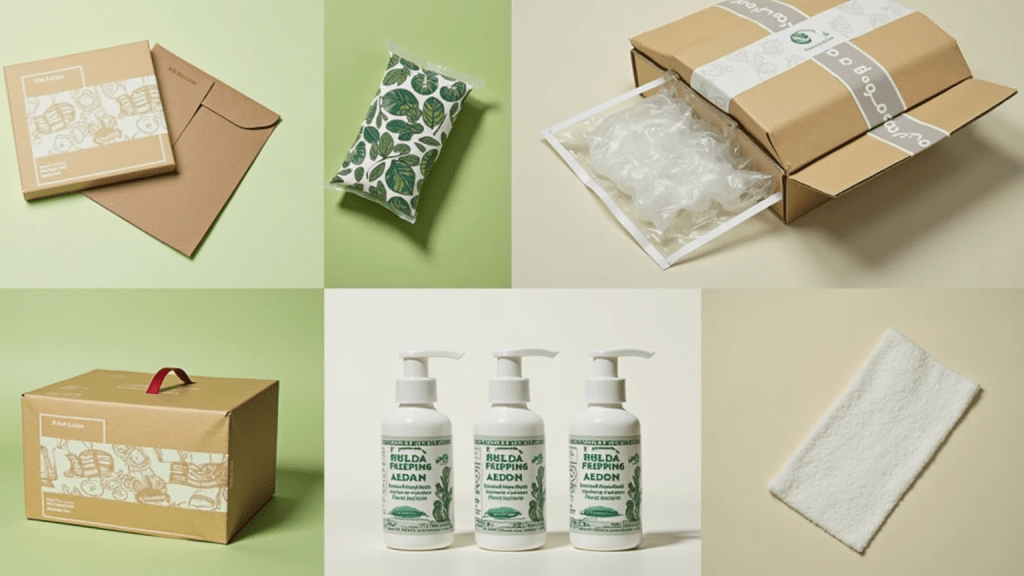
Understanding the Importance of Sustainable Packaging Boxes in E-Commerce
The rapid growth of e-commerce has significantly reshaped consumer behavior, creating a substantial environmental footprint through increased waste generation and higher carbon emissions. As online shopping becomes a dominant retail method, the packaging industry faces escalating demand. According to data from Towards Packaging, e-commerce is a key driver in the packaging sector’s expansion, particularly in regions like Asia Pacific where the surge in online shoppers is noteworthy.
Sustainable packaging plays a crucial role in mitigating these environmental impacts. It addresses waste by utilizing recycled materials and reducing unnecessary packaging layers. Furthermore, adopting sustainable packaging directly supports e-commerce businesses in achieving their sustainability goals, enhancing brand reputation, and meeting regulatory compliance related to waste reduction. Innovative packaging solutions not only safeguard the environment but also contribute to overall sustainability efforts by minimizing resource usage and enhancing recyclability. This aligns with the broader industry trend of shifting towards eco-friendlier practices, driven by consumer demand and regulatory changes.

Key Characteristics of Eco-Friendly Packaging Boxes
Eco-friendly packaging boxes are increasingly being crafted from materials like recycled cardboard, biodegradable plastics, and plant-based components. Recycled cardboard is one of the most popular choices, offering a high degree of reusability. According to recent data, the demand for sustainable packaging is expected to grow at a compound annual growth rate of 5.9% from 2021 to 2028, reflecting its expanding role across industries. Biodegradable plastics, made from renewable resources, are replacing traditional plastics as a less harmful alternative, reflecting a global shift towards sustainability.
The benefits of using biodegradable materials in packaging are significant, primarily because they reduce landfill waste and minimize environmental impact compared to conventional packaging types. Unlike traditional materials that can take hundreds of years to decompose, biodegradable alternatives break down naturally in months or years. This reduction in longevity not only decreases the amount of waste in landfills but also lessens the carbon footprint associated with packaging production and disposal. By choosing eco-friendly options, businesses contribute to a circular economy, promoting sustainable practices that align with environmental goals.
Innovative Designs in Sustainable Packaging Boxes
Innovative and customizable designs in sustainable packaging enhance brand identity while also focusing on eco-friendliness. Brands are increasingly opting for unique designs that utilize recycled materials yet effectively communicate their brand story. For example, companies like Energizer and Duracell have transitioned to using recyclable paper boxes for their battery products, effectively reducing plastic use. These designs not only reflect a strong commitment to sustainability but also offer tangible consumer benefits, such as easy recyclability and improved storage solutions.
Additionally, the significance of stackable and space-efficient packaging solutions cannot be overstated. By adopting packaging that is easy to stack, companies can lower shipping costs and reduce their carbon footprints. This is increasingly relevant as more businesses aim to align with global sustainability targets. Energizer, for instance, employs stackable paper boxes that contribute to streamlined logistics and resource use, ultimately supporting both environmental goals and economic efficiency. Through these thoughtful design choices, brands can successfully merge sustainability with practicality.
Challenges Faced in Transitioning to Sustainable Packaging
Transitioning to sustainable packaging presents significant cost implications for businesses. While initial investments may seem high, studies reveal long-term savings through energy efficiency and reduced material costs. For instance, a report by the Ellen MacArthur Foundation highlights that companies can recover up to 2% of their annual revenue by adopting sustainable packaging. This initial cost often deters smaller businesses, but the long-term benefits provide a compelling case for embracing eco-friendly alternatives.
Consumer acceptance is equally pivotal in this transition. Surveys indicate a strong consumer preference for sustainable products, with over 60% of consumers willing to pay a premium for environmentally friendly packaging (Deloitte, 2023). However, the higher costs associated with sustainable materials can lead to consumer pushback. Businesses must balance eco-friendliness with affordability, ensuring that price adjustments remain acceptable to the consumer base. As consumer awareness of sustainability grows, their willingness to support eco-initiatives also increases, creating an opportunity for businesses to align with these preferences.
Future Trends in Sustainable Packaging for E-Commerce
The future of sustainable packaging for e-commerce is being shaped by technological innovations such as smart packaging and AI in material selection. Smart packaging incorporates tech to track product freshness, usage, and environmental impact, enabling both sellers and consumers to make informed decisions. AI is revolutionizing the way materials are selected, enhancing efficiency and minimizing waste. Companies like Pactiv Evergreen have already made strides in this area, showcasing innovations at industry events such as Pack Expo.
Consumer demand for transparency in sourcing and packaging practices is increasingly influencing industry standards. More consumers are seeking out brands that prioritize eco-friendly practices, affecting not just product design but supply chain transparency. This trend is compelling companies to not only adopt sustainable materials but also to disclose the origins of these resources. As demand grows, businesses are finding that aligning with these values can garner customer loyalty, ultimately benefiting both the planet and the bottom line.
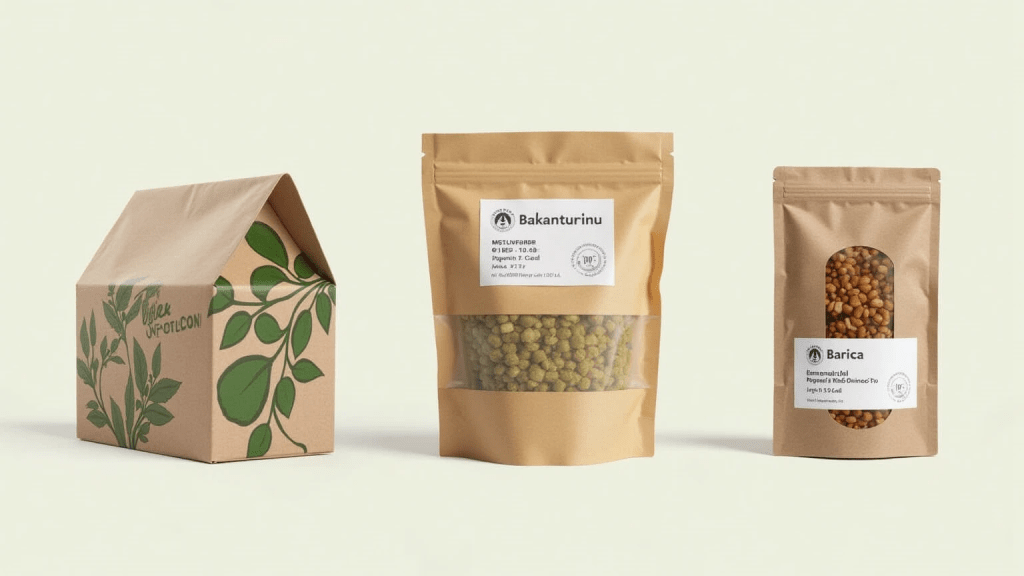
Conclusion: The Path Forward for Sustainable Packaging Solutions
As businesses embrace sustainable packaging solutions, they play a pivotal role in promoting environmental stewardship. By adopting eco-friendly practices, companies can significantly reduce their carbon footprint and demonstrate corporate responsibility, driving change within the industry. It is essential that businesses continue to innovate and implement sustainable alternatives to traditional packaging, thus setting an example for the rest of the industry.
Equally important is the role of consumers and businesses in making conscious choices and fostering a sustainable future. This collaborative effort not only encourages but also strengthens the industry’s commitment to sustainability. By prioritizing eco-friendly packaging options, both parties can contribute to a healthier planet. Such engagement ensures that sustainability becomes a shared goal across the supply chain.
FAQ
What is sustainable packaging?
Sustainable packaging refers to the use of materials and design methods that minimize environmental impact. It often involves using recycled or biodegradable materials and reducing waste.
Why is eco-friendly packaging important for e-commerce?
Eco-friendly packaging helps reduce the environmental footprint associated with e-commerce by minimizing waste and carbon emissions. It also supports brand sustainability goals and regulatory compliance.
What materials are commonly used in sustainable packaging?
Common materials for sustainable packaging include recycled cardboard, biodegradable plastics, and plant-based components. These materials are designed to be reused or decompose quickly.
What are the challenges in adopting sustainable packaging?
The main challenges include higher initial costs and consumer acceptance of price increases. However, long-term savings and growing consumer demand for sustainable products can offset these challenges.
How can technology support sustainable packaging?
Technological innovations such as smart packaging and AI in material selection can improve efficiency, track product conditions, and reduce waste, further supporting sustainable practices.





留下评论