

Understanding Eye Wash Stations and Their Importance
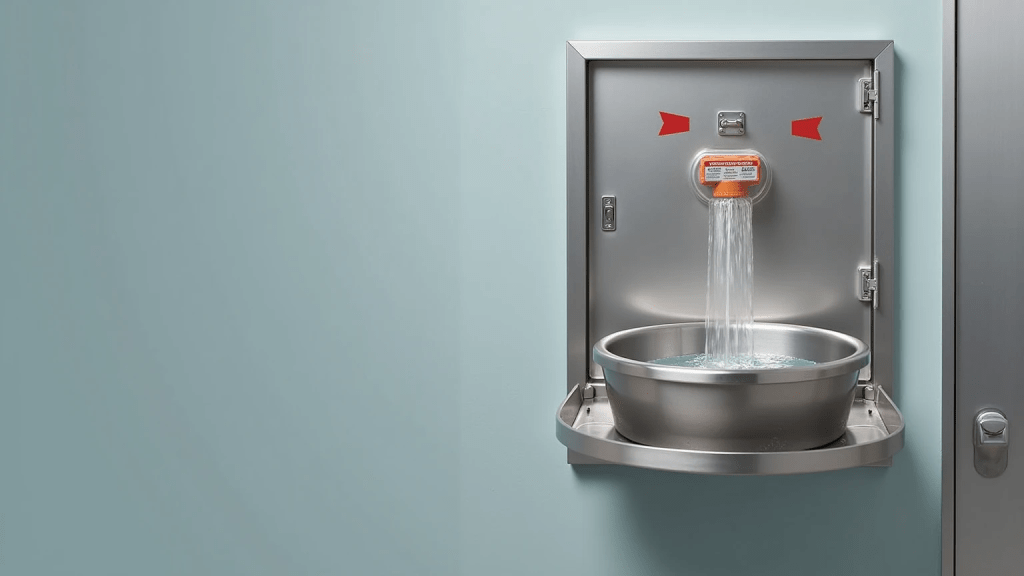
Eye wash stations are crucial safety devices that swiftly rinse the eyes in case of contamination or injury. These stations are designed to provide immediate relief and help minimize damage from exposure to harmful substances by flushing out contaminants quickly and efficiently. In industries like manufacturing, laboratories, and pharmaceuticals, where exposure to hazardous substances is high, the presence of eye wash stations is indispensable.
There are diverse types of contaminants that necessitate the use of eye wash stations, including chemicals, biological agents, and physical irritants. For example, accidental splashes of corrosive chemicals or exposure to infectious biological substances can lead to severe eye injuries if not promptly addressed. Also, physical irritants like dust or small debris particles can cause discomfort or potential harm to someone’s eyesight, emphasizing the need for ready access to these safety units.
Statistical data highlights the seriousness of workplace eye injuries and their frequency. According to the U.S. Bureau of Labor Statistics, thousands of eye injuries occur annually, resulting in loss of productivity and significant medical costs. Eye wash stations serve a vital role in mitigating these risks, providing the necessary first aid to reduce the severity of injuries.
Regulatory bodies like the Occupational Safety and Health Administration (OSHA) have stringent requirements concerning eye wash stations. OSHA mandates that these stations be easily accessible within 10 seconds of potential hazards and maintain clear signage for immediate identification. Compliance with these regulations ensures not only the safety of workers but also adherence to industry standards, emphasizing the importance of eye wash stations in safeguarding employees’ well-being.
Regulatory Requirements for Eye Wash Stations in the Workplace
The Occupational Safety and Health Administration (OSHA) establishes specific requirements for eye wash stations to ensure workplace safety across various industries. Employers must ensure that eye wash stations are strategically placed within a 10-second reach from any hazard that can cause eye contamination. OSHA compliance necessitates that these stations are readily accessible, unobstructed, and operational in the event of an emergency. More specific guidance is provided in collaboration with the American National Standards Institute (ANSI).
ANSI standards play a crucial role in defining the specifications for the design, performance, and maintenance of eye wash stations. According to these standards, stations must deliver a controlled, continuous flow of water at a tepid temperature (between 60°F and 100°F) to prevent further injury during use. The ANSI Z358.1 standard, although not freely published, provides comprehensive guidelines that product manufacturers and employers are encouraged to follow for optimal safety.
Adhering to OSHA and ANSI regulations not only ensures legal compliance but also enhances overall employee safety and workplace culture. Compliance with these standards demonstrates a company’s commitment to worker safety, thereby fostering a positive work environment. Companies in industries like chemical manufacturing and laboratories, where exposure risks are higher, are particularly stringent about these safety measures to protect their employees from potential harm. Prioritizing eye wash stations in such critical environments underscores the importance of creating safe and supportive workplaces.
Types of Eye Wash Stations and Their Applications
Eye wash stations are critical safety components in workplaces where employees are at risk of exposure to hazardous substances. Two primary types of eye wash stations can be utilized to ensure safety: stationary and portable. Stationary eye wash stations are intended for permanent installations and are commonly found in laboratories and manufacturing sites. These units are connected to a plumbing system, providing a stable and continuous flow of water for immediate eye flushing.
In contrast, portable eye wash stations offer flexibility and mobility, making them suitable for various workplace settings, including mobile operations or temporary job sites. They are self-contained units that do not require plumbing and typically use a gravity-fed system to deliver purified or sterile flushing solutions. These portable units are particularly advantageous in situations where fixed installations are impractical or unavailable.
Choosing between stationary and portable eye wash stations depends on the specific workplace requirements and scenarios. Having both types of stations available enhances comprehensive workplace safety by catering to both permanent and temporary needs. Real-world incidents have shown the effectiveness of eye wash stations in mitigating injuries caused by chemical exposures, underscoring the importance of their presence in hazardous environments. By combining both stationary and portable solutions, employers can ensure rapid and efficient responses to emergencies, ultimately safeguarding employee health and well-being.

Best Practices for Installing and Maintaining Eye Wash Stations
Installing eye wash stations is crucial for ensuring rapid response during emergencies. They should be placed in locations that are easily accessible and visible to all employees. According to guidelines from the American National Standards Institute, the maximum travel distance to an eye wash station should be no more than 10 seconds or approximately 50 feet from the hazard area. It’s essential that the eye wash stations are free from obstructions and have clear signage to aid immediate recognition during an emergency.
Maintaining these stations is equally important to ensure their effectiveness. Regular maintenance and testing are vital to confirm that the stations function correctly when needed. This involves activating the unit to check water flow, inspecting for any damages, and verifying that the supplies are fresh and within expiration dates. A routine maintenance schedule helps prevent equipment failure and ensures compliance with safety standards.
Having a checklist for routine inspections can help streamline the process. Key components to monitor include water flow rate and pressure, cleanliness of the station, and condition of the valves and nozzles. Neglecting maintenance can lead to dire consequences, such as malfunctioning equipment during a critical situation, which could result in severe workplace injuries or even legal liabilities.
The Role of Eye Wash Stations in Emergency Preparedness
Eye wash stations play a crucial role in emergency preparedness by integrating seamlessly into an organization’s overall emergency response planning. Ensuring these stations are part of the safety protocols is vital for quick and effective injury mitigation. Training employees on the proper use of eye wash stations is equally important. They need to understand when and how to use these stations effectively during emergencies to reduce injury and promote recovery.
Regular drills and training initiatives can significantly improve employees’ response times and outcomes in an event of an incident, thereby reducing the severity of injuries. Management plays a pivotal role in fostering a culture of emergency preparedness, emphasizing the importance of utilizing eye wash stations. By prioritizing these safety measures, companies can better protect their workforce and comply with industry regulations such as those mandated by OSHA and ANSI. These steps not only enhance individual safety but also contribute to a safer work environment overall.
FAQ
What is the purpose of an eye wash station?
Eye wash stations are safety devices used to rinse and flush contaminants from the eyes in the event of exposure to harmful substances, thus minimizing potential eye damage.
What types of eye wash stations are available?
There are two main types of eye wash stations: stationary and portable. Stationary units are connected to plumbing, while portable units use a gravity-fed system and do not require permanent installation.
How often should eye wash stations be maintained?
Eye wash stations should be regularly maintained following a routine schedule to check for functionality, cleanliness, and that supplies are not expired, ensuring they are ready for use during emergencies.
What are the regulatory requirements for eye wash stations?
OSHA mandates that eye wash stations must be accessible within 10 seconds of a hazard with clear signage, and they must meet ANSI standards for temperature, flow, and accessibility.
Why is training important for using eye wash stations?
Training ensures that employees are familiar with the location and proper use of eye wash stations so they can effectively respond to emergencies, reducing the severity of potential injuries.




留下评论