

Understanding Cardboard Box Inserts
Cardboard box inserts are essential components in packaging systems, providing structural support to organize and protect items during transport and display. These inserts are crafted from cardboard and can be custom-fitted to accommodate specific product shapes and sizes, ensuring that items remain securely in place throughout transit.
Using cardboard inserts offers numerous benefits, making them an appealing choice over other materials, such as foam. Firstly, they enhance product protection by securely holding items in place, minimizing movement, and reducing the risk of damage. Furthermore, they offer branding opportunities through design customization, allowing businesses to incorporate logos or colors that reflect their brand identity. Additionally, they are often more cost-effective when compared to foam alternatives, offering a practical solution for budget-conscious companies. Importantly, when made from recyclable materials, cardboard inserts contribute positively to environmental sustainability, aligning with the increasing demand for eco-friendly packaging solutions.
Design Considerations for Cardboard Box Inserts
When designing cardboard box inserts, selecting suitable materials is crucial. The choice involves assessing the thickness, weight, and durability of the cardboard. High-quality, recyclable materials not only offer enhanced product protection but also promote sustainability, serving as a more eco-friendly alternative. For instance, using recycled cardboard can drastically reduce the environmental footprint compared to non-recyclable options.
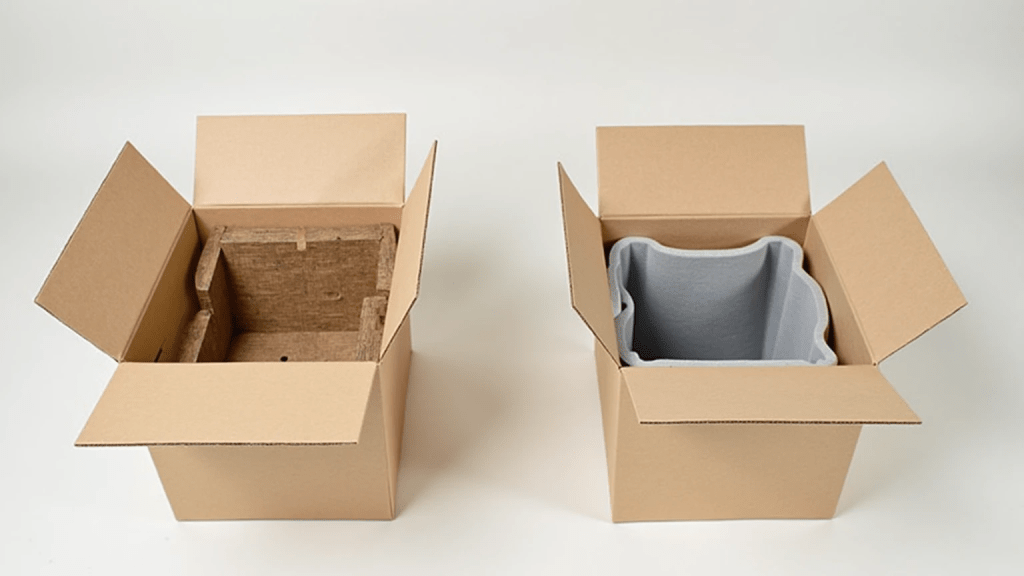
In addition to material choice, the structural design of cardboard inserts plays a significant role in their effectiveness. Common designs include partitions, trays, and die-cut shapes that snugly fit around the products. These designs are essential for preventing movement and damage during transport. Understanding the dimensions and weight of the products is vital in selecting or custom-designing the right insert structure. This tailored approach ensures that each product remains securely nestled within its packaging, minimizing the risk of damage.
Types of Cardboard Box Inserts
When considering the different types of cardboard box inserts, it’s crucial to weigh the benefits of foam inserts against those of cardboard options. Foam inserts are prized for their exceptional cushioning properties, especially for delicate and fragile items. However, they generally come with a higher price tag and are less environmentally friendly. In contrast, cardboard inserts offer a lightweight and sustainable alternative. They maintain product integrity while being cost-effective and eco-friendly, making them a popular choice for many businesses aiming to minimize their environmental impact.
Eco-friendly cardboard inserts are becoming increasingly mainstream, with many manufacturers opting for recycled materials and sustainable practices in their production. This shift aligns with a growing consumer preference for packaging that is both functional and environmentally responsible. By using recycled materials, companies not only reduce their carbon footprint but also appeal to eco-conscious customers, fostering brand loyalty and satisfaction. As more consumers prioritize environmental impact in their purchasing decisions, the demand for sustainable packaging solutions continues to rise.
Best Practices for Creating Effective Inserts
Creating effective inserts involves customizing the design to fit the product precisely. This customization minimizes movement during transit, which significantly reduces the risk of damage. By prototyping with variations, businesses can find the best fit for their products, ensuring maximum protection. This approach not only enhances the security of the product during shipping but also adds an element of professionalism to the packaging.
Maximizing protection and presentation is crucial for enhancing customer satisfaction and brand loyalty. Features such as cushioning zones safeguard the product, while printed designs contribute to brand identity. Additionally, non-slip surfaces can further ensure the stability of the item inside the packaging. Together, these elements enhance both the product’s safety and its visual appeal, creating a memorable unboxing experience for customers.
Enhancing Customer Experience with Cardboard Box Inserts
Cardboard box inserts play a significant role in the unboxing experience, transforming it from a mundane activity into an engaging moment. Well-crafted inserts not only safeguard the contents but also create a visually appealing presentation upon opening. This delightful unboxing journey captivates customers from the very start, showing them the thought and care put into their order. By strategically arranging and showcasing items, businesses can leverage this opportunity to impress and satisfy their customers.
Moreover, the impact of quality inserts extends beyond protection and aesthetics; it significantly influences brand perception. When a customer receives a package with thoughtfully designed inserts, it speaks volumes about a brand’s professionalism and attention to detail. This level of care fosters increased customer loyalty and can potentially drive higher sales. Customers are more likely to return to a brand that demonstrates such dedication in its packaging. A 2018 study by Dotcom Distribution revealed that 40% of consumers are likely to share an unpacking experience on social media if the packaging is unique or branded, underscoring the value of investing in superior inserts.
Implementing Cardboard Inserts in Your Packaging Strategy
When integrating cardboard inserts into your packaging strategy, it is important to consider cost efficiency. Cardboard inserts generally offer a more economical solution compared to other protective materials like foam or plastic. Their affordability does not compromise protection, making them an attractive option for businesses looking to balance cost and quality in their packaging efforts.
Choosing the right type of cardboard insert involves several factors. Consider the product type, as fragile items may require thicker or double-walled inserts. The shipping method is also crucial; more durable inserts are better for long-distance transit. Additionally, consider the target market’s preference for eco-friendly packaging solutions. Striking a balance between cost, protection, and sustainability ensures that the inserts effectively meet your packaging needs while aligning with customer expectations.
FAQ
Why are cardboard box inserts important for packaging?
Cardboard box inserts are crucial in packaging because they provide structural support, organize, and protect items during transportation and display. They help keep items secure and in place to reduce movement and the risk of damage.
What are the benefits of using cardboard inserts over foam?
Cardboard inserts offer several benefits including enhanced product protection, design customization for branding, cost-effectiveness, and environmental sustainability when made from recyclable materials. They offer a balance of protection and eco-friendliness that foam inserts may not provide.
How do cardboard box inserts enhance customer experience?
Cardboard inserts enhance the unboxing experience by safeguarding contents and creating a visually appealing presentation upon opening. This attention to detail influences brand perception positively and can lead to greater customer satisfaction and loyalty.
Are cardboard inserts more sustainable than foam inserts?
Yes, cardboard inserts made from recyclable materials are more sustainable than foam inserts. They offer a sustainable packaging solution that aligns with growing consumer preferences for eco-friendly options, reducing carbon footprint while maintaining product protection.




留下评论