

Understanding Cut-Off Wheels: What You Need to Know
Cut-off wheels are essential tools in various industries, including construction and manufacturing, where they are primarily used to cut through materials such as metal, stone, and wood. These tools are crucial for tasks that require precision and efficiency in cutting hard materials. Cut-off wheels are made from a variety of materials, including bonded and diamond abrasives. Bonded abrasives are used for general-purpose cutting, while diamond abrasives are ideal for more demanding applications like cutting stone or ultra-hard metals due to their superior hardness and longevity.
One crucial factor to consider with cut-off wheels is their RPM (revolutions per minute) rating, which dictates the maximum speed at which the wheel can safely operate. The RPM rating is significant because using a wheel at a speed higher than its rated RPM can result in accidents, as the wheel might shatter or wear out prematurely. Therefore, users must ensure the tool’s speed does not exceed the wheel’s RPM limit to maintain both performance and safety.
Different types of cut-off wheels are designed for specific applications. For instance, metal-cutting wheels are typically made of aluminum oxide and are used in scenarios that require cutting through various metals. Masonry wheels, on the other hand, are crafted for slicing through concrete and brick. It’s vital to select the correct wheel for each application to ensure efficiency and safety, as using the wrong type of wheel can lead to ineffective cutting and increased risk of accidents.
Best Practices for Maintaining Your Cut-Off Wheels
Proper maintenance of cut-off wheels is essential to ensure their longevity and performance. A key aspect of maintenance is cleaning the wheels regularly. You should use brushes or air cleaning methods to remove dust and debris, which can accumulate during cutting operations. This prevents clogging and helps maintain the wheel’s cutting efficiency.
Additionally, inspecting cut-off wheels before and after each use is crucial to extending their lifespan. Look for signs of wear, cracks, or any other damage. Early detection can prevent accidents and reduce the need for replacement. Careful inspection ensures that the cutting performance remains consistent and safe.
Storage techniques also play a vital role in preserving cut-off wheels. Store them in a dry place away from moisture to prevent corrosion. Keeping them in protective casings can shield the wheels from physical damage, ensuring they remain in optimal condition for future use. By following these guidelines, you can significantly enhance the durability and effectiveness of your cut-off wheels.
Using Cut-Off Wheels Safely and Effectively
Selecting the appropriate cut-off wheel is crucial for both safety and effectiveness. It depends largely on the material and thickness you are working with. For instance, wheels designed for cutting steel may not be suitable for materials like aluminum or stone, highlighting the importance of adhering to safety standards. Always check the manufacturer’s guidelines for optimal usage.
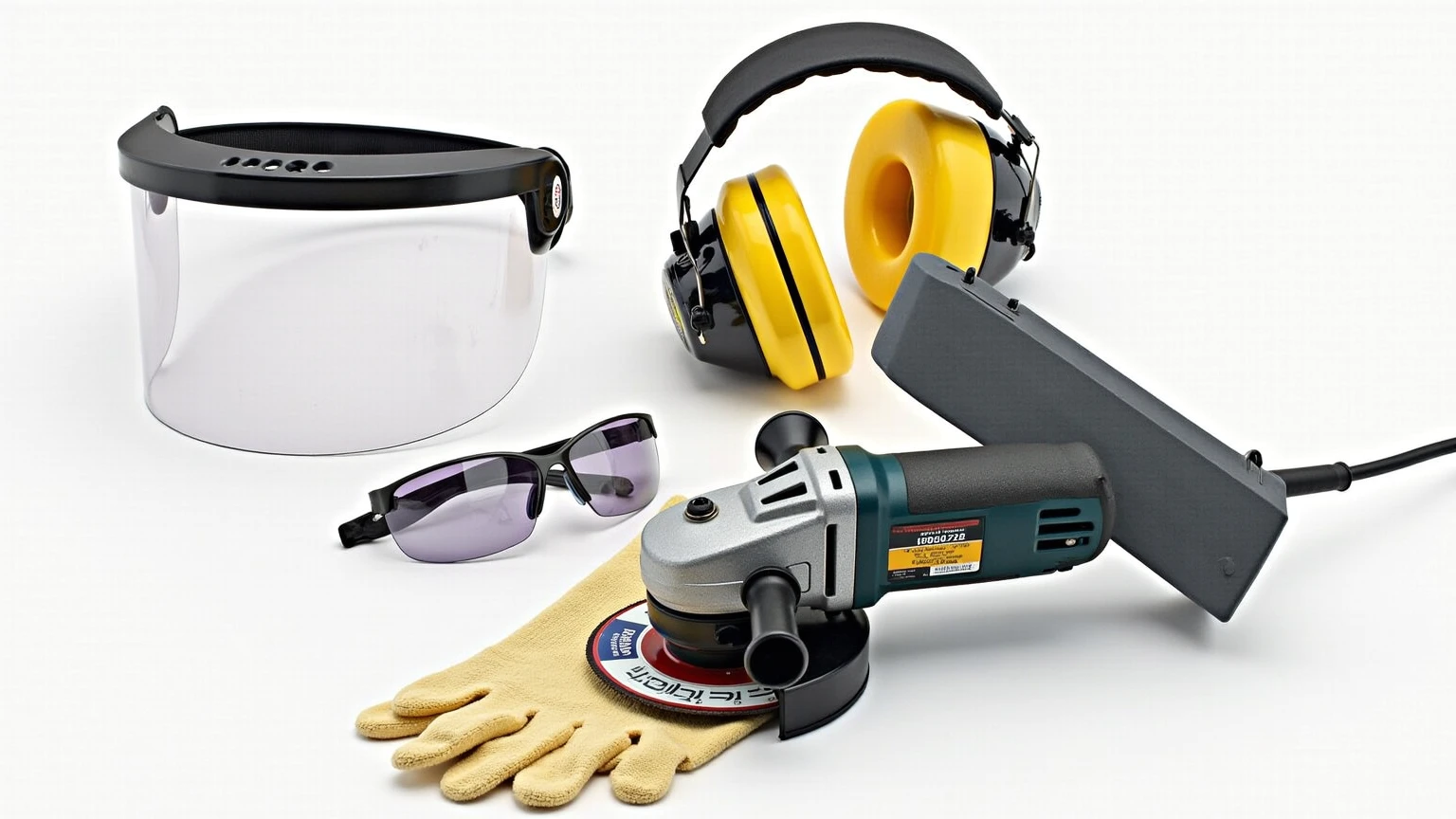
When operating cut-off wheels, it is imperative to wear the right safety gear to protect yourself from potential hazards. Essential protective equipment includes:
- A face shield to guard against sparks and flying debris.
- Ear protection to mitigate noise exposure.
- Gloves to protect hands from heat and sharp edges.
- Steel-toed boots to shield feet from falling objects.
Additionally, observing basic precautions can significantly enhance safety while using cut-off wheels. Ensure the work area is clean and free from obstructions. Securely fasten the workpieces to prevent movement during cutting, which can cause kickback. Always use proper techniques, such as standing slightly to the side of the wheel and maintaining a firm grip on the tool, to avoid personal injury. By implementing these safety measures, you can maximize both the efficiency and safety of your tool operation.
Common Problems with Cut-Off Wheels and How to Fix Them
Cut-off wheels, though effective, can present various challenges such as wear, uneven cuts, and burning. Identifying signs of wear and tear is the first step towards effective maintenance. Look for cracks, chips, or excessive wear on the wheel surface. A thorough inspection before use can prevent accidents and ensure the tool’s longevity. It’s advisable to replace any wheel that shows signs of damage to maintain safety and cutting efficiency.
Troubleshooting cutting issues often involves addressing common problems like uneven cuts or burning. Uneven cuts may result from misalignment or improper handling, so it’s crucial to ensure the wheel is properly mounted and aligned. Burning can be minimized by adjusting the speed and pressure applied during cutting, and by ensuring the wheel is suitable for the material type and thickness. Regular maintenance and correct techniques are key to optimized cutting performance.
Proper maintenance of cut-off wheels not only enhances safety but can significantly increase their lifespan. According to industry experts, well-maintained wheels can have up to 30% longer service life. Regular inspections and adhering to maintenance guidelines are recommended to maximize efficiency and reduce overall costs. Prioritizing the upkeep of your cut-off wheels will ensure they perform effectively, whether you’re dealing with carbon steel, stainless steel, or various alloy materials.

When to Replace Your Cut-Off Wheels
Recognizing when to replace your cut-off wheels is crucial for maintaining cutting efficiency and ensuring safety. Key indicators include decreased cutting performance, visible wear, or damage such as cracks and chips on the wheel surface. These signs suggest it’s time to replace the wheel to avoid hazards and ensure optimal functionality.
Finding quality replacement cut-off wheels involves sourcing from reputable suppliers. Look for brands known for their reliability and performance in the industry. It’s advisable to research suppliers thoroughly, checking customer reviews and testimonials to ensure you are purchasing durable and high-performing wheels.
Purchasing from local suppliers can offer distinct advantages, such as quicker delivery times and more accessible customer service for returns or exchanges. Searching online for “CVS near me,” which can provide useful location information, reflects the importance of choosing suppliers that provide reliable and trustworthy service. Prioritizing local suppliers not only supports community businesses but can also lead to a more efficient procurement process.
Frequently Asked Questions
What materials can cut-off wheels cut through?
Cut-off wheels can cut through materials such as metal, stone, and wood, depending on the type of abrasive they are made from.
Why is the RPM rating important for cut-off wheels?
The RPM rating is important because it dictates the maximum safe operating speed. Using a wheel above its RPM rating can lead to accidents due to breakage or premature wear.
How can I maintain my cut-off wheels?
Regular cleaning and inspection are key to maintaining cut-off wheels. Keep them free from debris and inspect for any signs of wear or damage before and after use.
What safety gear is recommended when using cut-off wheels?
Recommended safety gear includes a face shield, ear protection, gloves, and steel-toed boots to protect against various hazards.
When should I replace my cut-off wheels?
Replace cut-off wheels when you notice decreased performance, visible wear, or damage such as cracks and chips.





留下评论