

Understanding Box Carton Packaging
Box cartons are a prevalent packaging solution made predominantly from paper-based materials, such as cardboard. These materials are carefully designed to protect and contain products during storage and transportation. The use of cardboard in creating box cartons ensures durability and resilience, making them a staple in the logistics of various goods.
The significance of box carton packaging spans multiple industries due to its dual functionality. Firstly, it plays a crucial role in branding and consumer appeal, offering companies a canvas to present their products attractively. High-quality printing on these cartons can enhance brand visibility and create a memorable unboxing experience for customers. Secondly, the functional aspects of box cartons—such as safeguarding goods from damage—are vital. They serve as a protective barrier against environmental impacts during transit, ensuring the products reach consumers in prime condition.
Types of Box Cartons
Box cartons come in various types, each serving distinct purposes within the packaging industry. Corrugated cartons are constructed with fluted paper between two liner boards, providing a robust yet lightweight structure ideal for shipping. This type of carton is highly valued across industries due to its strength and ability to withstand pressure, making it a popular choice for safely transporting goods.
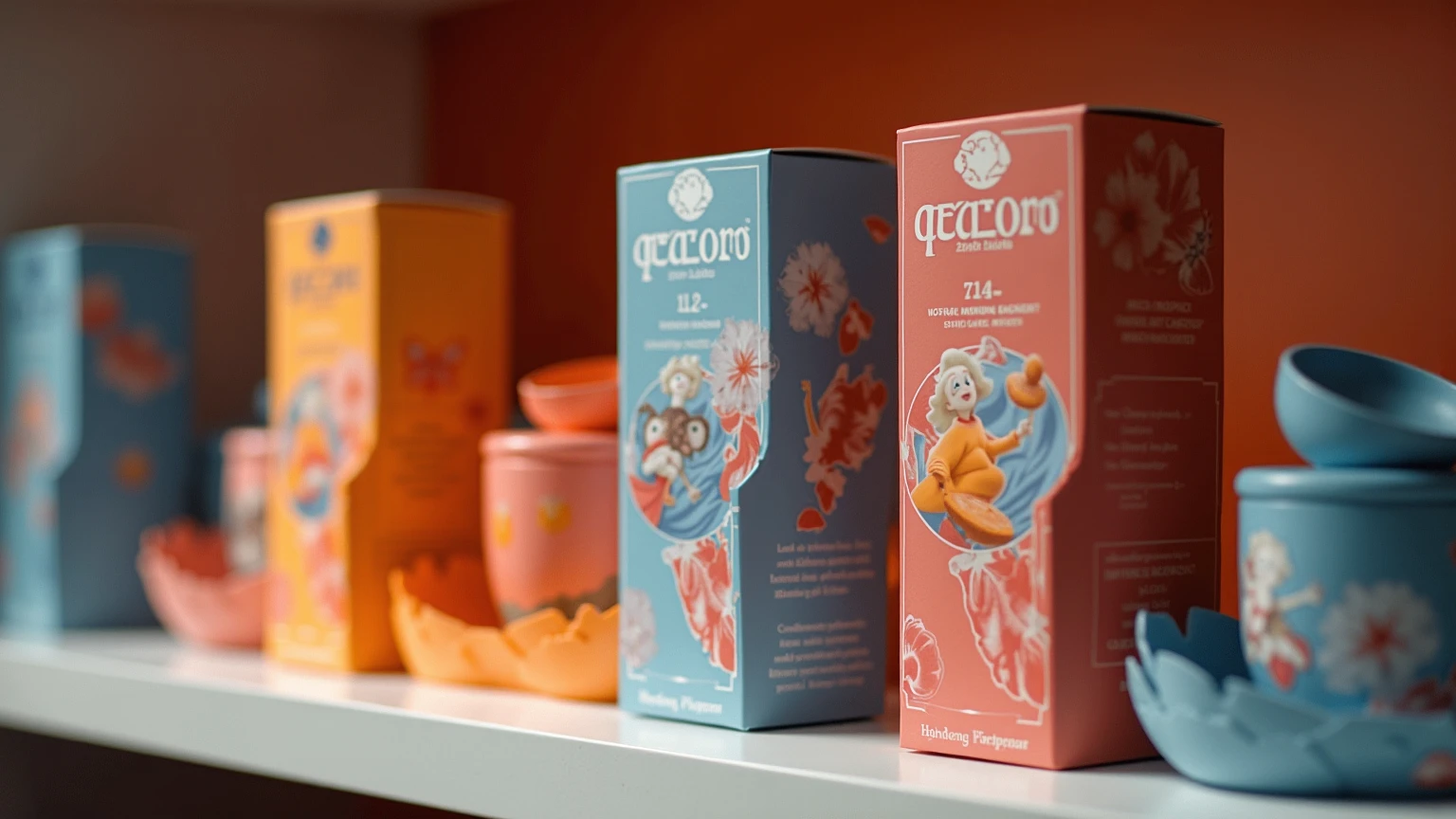
Folding cartons, on the other hand, are mainly crafted from paperboard and are often printed with eye-catching designs, making them perfect for retail environments. They offer great versatility in design, allowing for a variety of shapes and sizes that enhance product visibility and consumer appeal in shops.
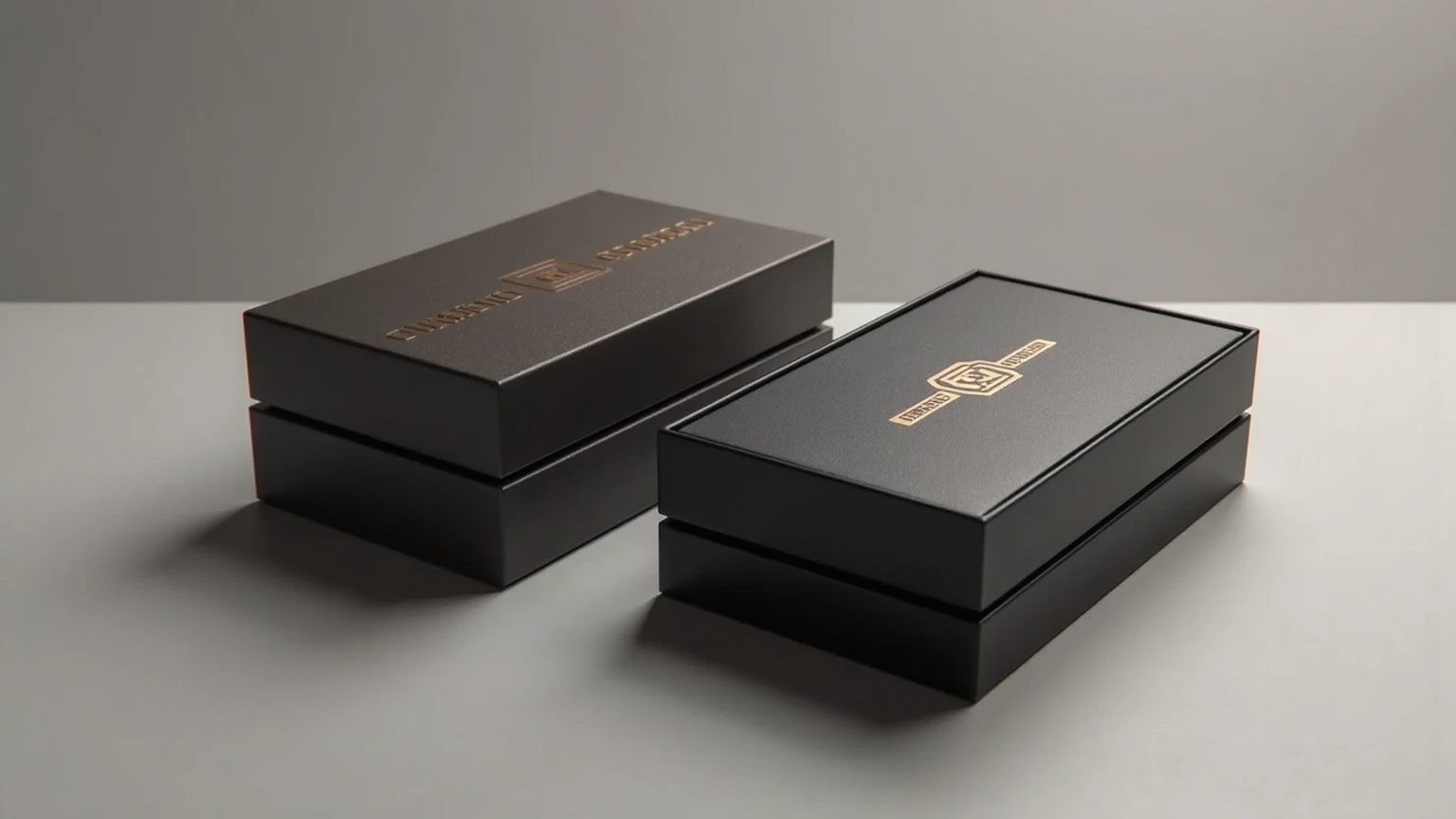
Another option is the rigid box cartons, known for their sturdy form and luxurious appearance. Unlike other cartons, rigid boxes do not fold flat and are often employed for premium items such as cosmetics, electronics, and luxury goods, highlighting the value and high-quality of the enclosed product.
Lastly, sleeve boxes introduce flexibility in packaging. They consist of a base container and a sleeve that wraps around, offering both protection and easy access to the product. This design is particularly valued in industries where both the functionality and aesthetics of packaging play a crucial role.
Materials Used in Box Carton Packaging
Cardboard is a primary material used in box carton manufacturing due to its durability, lightweight nature, and recyclability. It provides an effective balance between strength and cost-efficiency, making it popular for a wide range of packaging needs. The lightweight nature of cardboard helps reduce shipping costs, while its recyclability supports environmental sustainability, which is increasingly important to both consumers and businesses.
In addition to cardboard, the use of recycled materials in box carton production is essential for promoting sustainable practices. By integrating recycled content, manufacturers contribute to reducing environmental impact. Industry statistics indicate that the recycling rates for paper and cardboard are impressive, with many regions recovering over 70% of cardboard materials for reuse. This high rate of recycling underscores the commitment to sustainability within the packaging industry.
Foam inserts are also used as an additional material to protect fragile items within box cartons. These inserts offer cushioning and absorb shocks during transit, ensuring that delicate products reach consumers in pristine condition. By integrating foam inserts, manufacturers enhance the protective qualities of box cartons, providing peace of mind for e-commerce businesses and consumers alike.
Applications of Box Carton Packaging
Box carton packaging is essential in retail and e-commerce, where presentation and protection are crucial for customer satisfaction and product integrity. In e-commerce, durable cartons ensure goods arrive undamaged, while attractive packaging enhances customer perception and brand loyalty. As the e-commerce sector grows, especially post-pandemic, the need for reliable packaging like corrugated cartons, known for their strength and sustainability, will only increase.
In the food and beverage industry, box cartons cater to packaging needs with a focus on safety standards and product quality. Liquid packaging cartons are popular for dairy, juices, and ready-to-drink products due to their excellent preservation capabilities and extended shelf life. The use of aseptic cartons has gained momentum as they help in reducing spoilage without refrigeration, aligning with the sector’s efforts to minimize food waste.
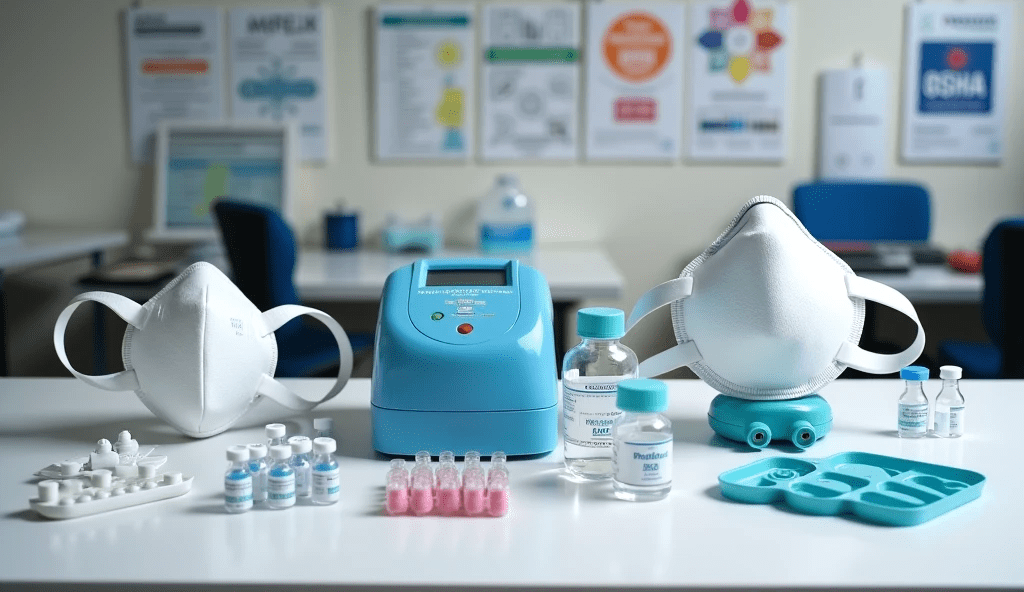
The pharmaceutical industry heavily relies on box carton packaging to comply with strict safety and tamper-evident regulations. Pharmaceuticals require packaging that ensures product integrity from manufacturing to the consumer, making stringent protocols a necessity. The use of cartons helps maintain these high standards, making them indispensable in this sector.
Cosmetics and personal care brands utilize box cartons not only for product protection but also to enhance brand identity and ensure moisture control. Cartons offer superior print capabilities, allowing for visually appealing designs that strengthen brand recognition. This focus on aesthetics, combined with the functional benefits of protection against moisture, makes carton packaging a preferred choice among these brands.
Advantages of Using Box Carton Packaging
Box carton packaging offers significant advantages, particularly in terms of sustainability and eco-friendliness. Statistics indicate a growing consumer preference for sustainable packaging solutions, with many customers actively seeking products packaged in environmentally friendly materials. Box cartons, being recyclable and often made from recycled resources, align perfectly with these demands. This shift not only satisfies consumer expectations but also supports brands in enhancing their image by demonstrating a commitment to environmental responsibility.
Moreover, box cartons provide a myriad of customization options, enhancing brand visibility and customer experience. Companies like Apple and Coca-Cola have successfully utilized bespoke carton designs to create a unique brand identity and an unforgettable unboxing experience. These custom designs, which include specific shapes, sizes, and graphic presentations, allow brands to stand out in the competitive marketplace while nurturing a stronger connection with consumers.
Lastly, the protection offered by box cartons during transportation is unparalleled, significantly reducing damage rates. Industry data reveals that products distributed without adequate packaging suffer higher breakage and spoilage rates, leading to financial losses and customer dissatisfaction. Box cartons, designed with durability and resilience in mind, ensure that goods remain intact from the warehouse to the end-user, safeguarding product integrity and ensuring customer satisfaction upon delivery.
Future Trends in Box Carton Packaging
The future of box carton packaging is set to be influenced by several emerging trends. One notable trend is the integration of technological innovations such as automation and smart packaging solutions. For example, incorporating QR codes for tracking and interactive consumer engagement is becoming more prominent. These technologies not only streamline manufacturing processes but also enhance consumer interactions with brands.
Another significant trend is the push for sustainability, with a focus on biodegradable and compostable materials. As consumer demand for eco-friendly solutions grows, companies are responding by investing in greener materials that reduce environmental impact. This shift in materials aligns with the increasing consumer preference for sustainable packaging.
Potential regulatory changes are also expected to impact the box carton packaging industry. New environmental regulations may require manufacturers to adopt more sustainable practices, further driving the evolution of packaging solutions. As these regulations continue to develop, they will likely shape how companies approach both the production and use of box cartons in the future.
FAQ
What materials are typically used in box carton packaging?
Box carton packaging commonly uses cardboard due to its durability and recyclability. Recycled materials and foam inserts for additional cushioning are also used.
Why are box cartons preferred in the e-commerce industry?
Box cartons offer durability and protection for goods during transit, ensuring products arrive undamaged. They also provide an opportunity for branding and enhancing customer perception.
How do box cartons contribute to sustainability?
Box cartons are made from recyclable materials and often incorporate recycled content, supporting eco-friendly practices and reducing environmental impact.
What are some future trends in box carton packaging?
Emerging trends include technological innovations like smart packaging and a shift towards biodegradable materials to meet growing sustainability demands.




留下评论