
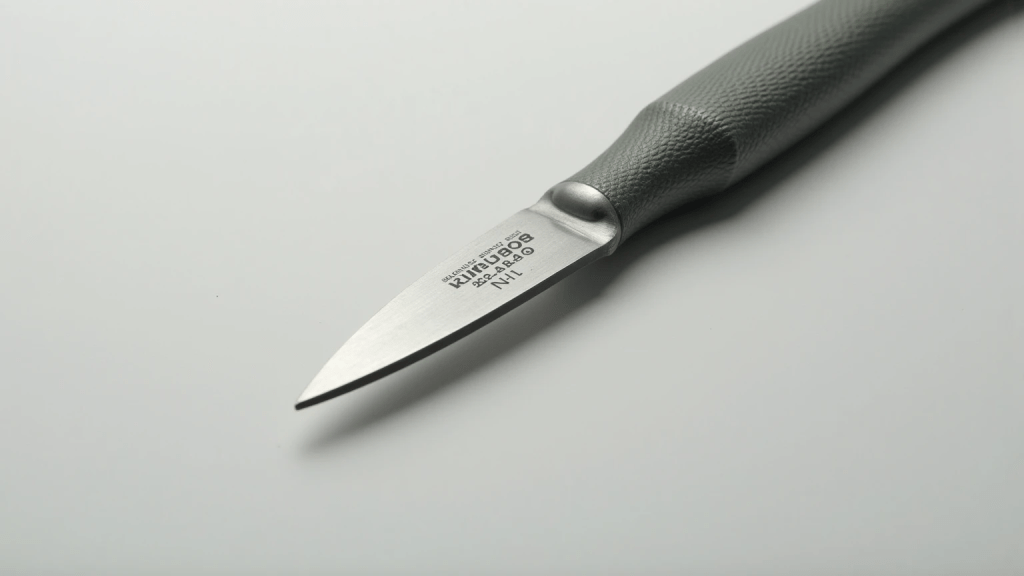
Understanding Olfa Knives: The Best Cutting Tools for Precision Work
Olfa knives are a specialized type of utility knife celebrated for their precision cutting capabilities, originally crafted in Japan in 1956. Known for their innovative design, Olfa knives offer several key benefits that make them indispensable in detail-oriented industries. These knives are equipped with ergonomic handles and precision-engineered blades, providing comfort and efficiency during extended use. Additionally, back them up with a variety of blade types suited for different materials, Olfa knives are versatile and reliable tools for any cutting task.
One of the standout features of Olfa knives is their snap-off blade mechanism, which allows users to quickly access a fresh cutting edge. This design minimizes downtime and ensures that every cut maintains a high level of precision—a crucial advantage in professional settings. As a result, Olfa knives are a favored choice in industries where accuracy is paramount, including graphic design, crafting, and professional art applications.
Beyond their practical features, Olfa knives cater to a wide range of materials, making them highly adaptable. Whether you’re working with paper, fabric, or thin plastics, there’s a perfect blade type available to achieve the desired result. This adaptability, coupled with the reliable performance of Olfa knives, ensures that they remain at the forefront of the cutting tool market, particularly in environments where precision is essential.

Maintenance Tips for Your Olfa Knives
Maintaining your Olfa knives to ensure optimal performance begins with keeping the blades sharp. Regularly replacing blades or utilizing a sharpening tool specifically designed for utility knife blades is essential. Dull blades can compromise your efficiency and precision, slowing down projects and causing frustration. A sharpened blade means smoother, more accurate cuts every time, which is especially crucial when working on detailed tasks.
Another vital maintenance practice is cleaning your knives after each use. Over time, debris and adhesive residues can accumulate on your blades, which may hinder cutting performance and lead to safety risks. To effectively clean your Olfa knives, use a damp cloth with a mild detergent if necessary. This simple routine not only maintains the blade’s sharpness but also extends the knife’s overall lifespan by preventing corrosion and ensuring hygienic use, which is particularly important in professional settings where precision is paramount.
Proper storage of your Olfa knives is equally important to prevent accidental injuries and protect the blades. Placing your knives in a designated holder or sheath offers protection, helping to maintain the sharpness of the blades and minimize risk. This organized storage solution also facilitates easy access and ensures your workspace remains tidy and safe, promoting a professional atmosphere. Adopting these maintenance practices will help keep your Olfa knives in top condition, ensuring they serve you well over time.
Best Practices for Using Olfa Knives
To effectively utilize Olfa knives, incorporating safe cutting techniques is imperative. Ensure you hold the knife correctly, cutting away from your body, and always work on a stable surface. This not only prevents accidents but also ensures your cuts are precise and clean. For added safety, wearing protective gear, such as cut-resistant gloves, is recommended, especially for repetitive tasks or when working with resistance-prone materials.
When working across diverse materials like fabrics, papers, and thin plastics, the right blade type is crucial for optimal results. Olfa offers a range of blades tailored for specific materials, enhancing efficiency and precision. For instance, a standard utility blade might suffice for cutting paper, but a specialized blade might be necessary for textiles or plastics to prevent fraying or uneven cuts.
Pairing Olfa knives with CNC cutting tools can significantly boost efficiency, particularly in projects requiring intricate designs or precise dimensions. CNC cutting tools provide automation and accuracy, making them ideal for complex patterns that might be challenging to achieve manually. This combination can be especially beneficial in professional settings or for large-scale projects, where precision and consistency are paramount.
Troubleshooting Common Issues with Olfa Knives
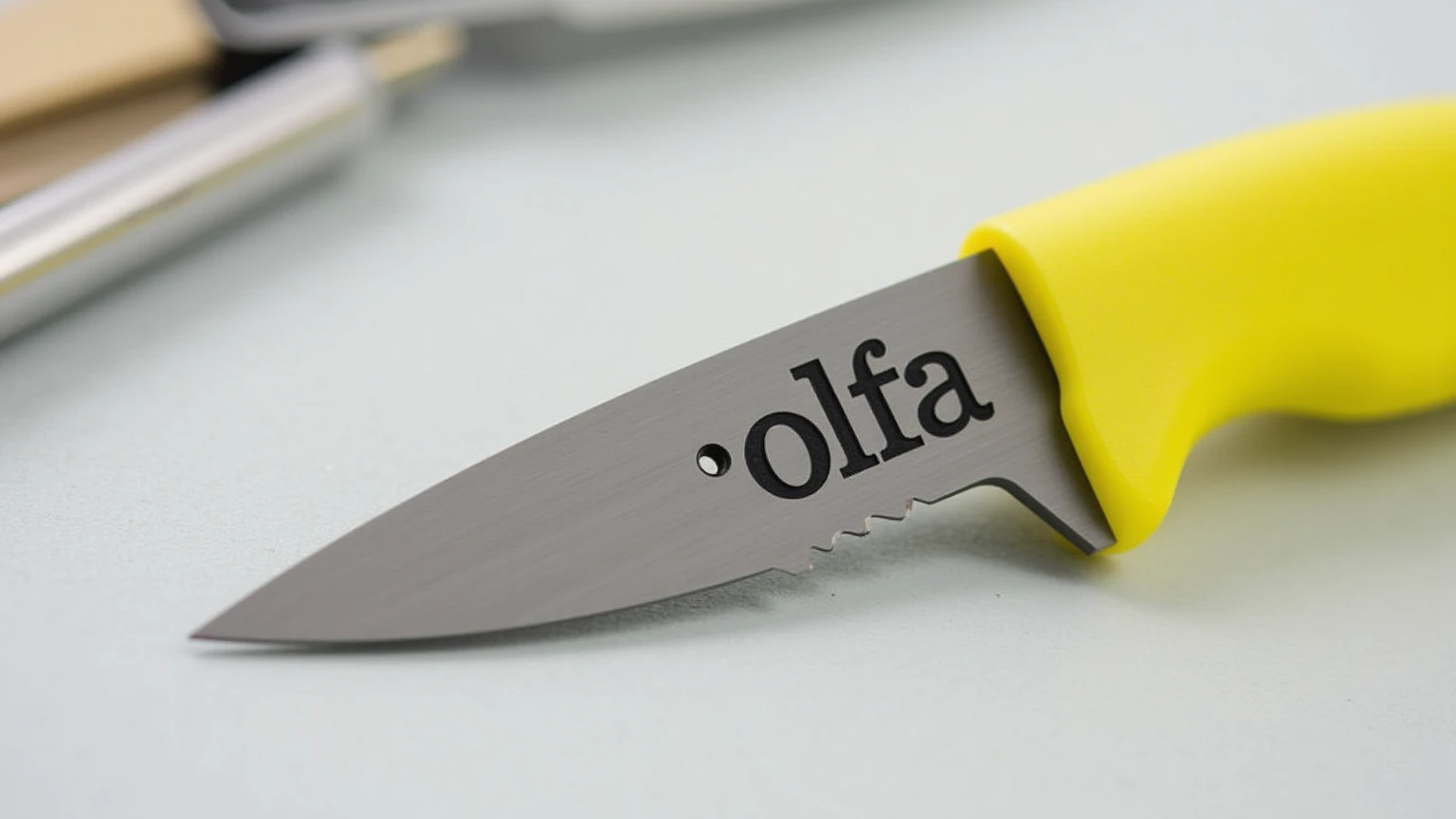
Olfa knives are renowned for their precision and versatility, but even the best tools can encounter issues. A common problem with Olfa knives is dull blades, which can impede cutting efficiency. Fortunately, this issue is easily resolved by replacing the blade. Olfa knives are designed with interchangeable blades that cater to various tasks, ensuring that you can always maintain optimal cutting performance. Regular blade changes are crucial for achieving clean and precise cuts across different materials.
Another issue users may face is with the handle. Over time, handles can develop wear or damage, which might affect the knife’s stability and control. To prevent risks such as accidental slips during use, it’s vital to regularly inspect the handle. Ensure the handle is properly secured to maintain a steady grip and prevent accidents. Addressing handle issues promptly can extend the life of your knife and enhance user safety.
Lastly, staying informed about blade recalls is crucial for user safety. Manufacturers occasionally issue recalls in response to safety concerns or defects in blade batches. Keeping up to date with product recalls will help you identify any potential issues with your Olfa knife, allowing you to take necessary action promptly. This proactive approach is essential to maintaining safe and efficient usage of your Olfa cutting tools.
Exploring Other Precision Cutting Tools
When it comes to precision cutting, CNC cutting tools stand out for their automation and accuracy. These tools are automated machines programmed to execute precise cuts, significantly speeding up production processes and ensuring uniformity. Unlike manual tools, CNC machines can produce complex components efficiently, making them ideal for mass production settings.
Comparing CNC cutting tools with Olfa knives reveals distinct differences that guide their application. While CNC tools excel in rapid execution and complex formatting for large production runs, Olfa knives are unmatched in their precision for smaller, detailed tasks. This precision makes Olfa knives suitable for tasks such as model making or intricate design work where hand control is necessary.
Choosing the right tool for your project requires a careful assessment of your needs. You should consider factors such as the complexity of the cuts required, the types of materials you are working with, and the workflow efficiency. Whether you’re undertaking large scale manufacturing or small, detailed crafting, selecting the correct tool will bolster your project’s success and efficiency.
Conclusion: Maximizing the Lifespan of Your Olfa Knives
To maximize the lifespan of your Olfa knives, proper maintenance is essential. Regularly cleaning the blades after use prevents material buildup and corrosion, ensuring sharpness and precision. For the best results, consider removing the blade from the handle for thorough cleaning, especially when working with sticky or resinous materials. Additionally, storing the knives in a dry, safe place helps protect them from accidental damage, as blade mishaps can occur during hasty storage.
Sharpening your Olfa knives appropriately extends their life and maintains cutting efficiency. Use a specialized sharpener designed for precision knives, or alternatively, a fine whetstone to hone the blade. It is important to follow manufacturer guidelines on sharpening angles to avoid altering the blade’s cutting profile. Routine inspections for wear and damage will allow you to identify when it is time to replace the blades, ensuring continuous optimal performance.
By integrating these care practices, you enhance both the safety and performance of your Olfa knives, ultimately contributing to more efficient workflows and reduced replacement costs.
FAQ
What is special about Olfa knives?
Olfa knives are known for their precision cutting capabilities, ergonomic design, and snap-off blade mechanism that provides a fresh cutting edge quickly.
How can I maintain the sharpness of my Olfa knife?
To maintain sharpness, regularly replace the blades or sharpen them using a tool designed for utility knife blades. Cleaning the blade after each use also helps preserve its sharpness.
Are Olfa knives versatile for different materials?
Yes, Olfa knives cater to various materials, including paper, fabric, and thin plastics, by offering different blade types for specific tasks.
What safety measures should I follow when using Olfa knives?
Always cut away from your body, work on stable surfaces, and consider wearing cut-resistant gloves for added safety, especially during repetitive tasks.
How often should I replace the blade on an Olfa knife?
Blades should be replaced as soon as you notice they are dull, to maintain efficiency and precision in cutting tasks.
Why should I keep up with blade recalls for Olfa knives?
Following blade recalls is important for user safety, as manufacturers may find defects or safety concerns in specific blade batches.




留下评论