
Understanding Rolling Ladders in Industrial Spaces
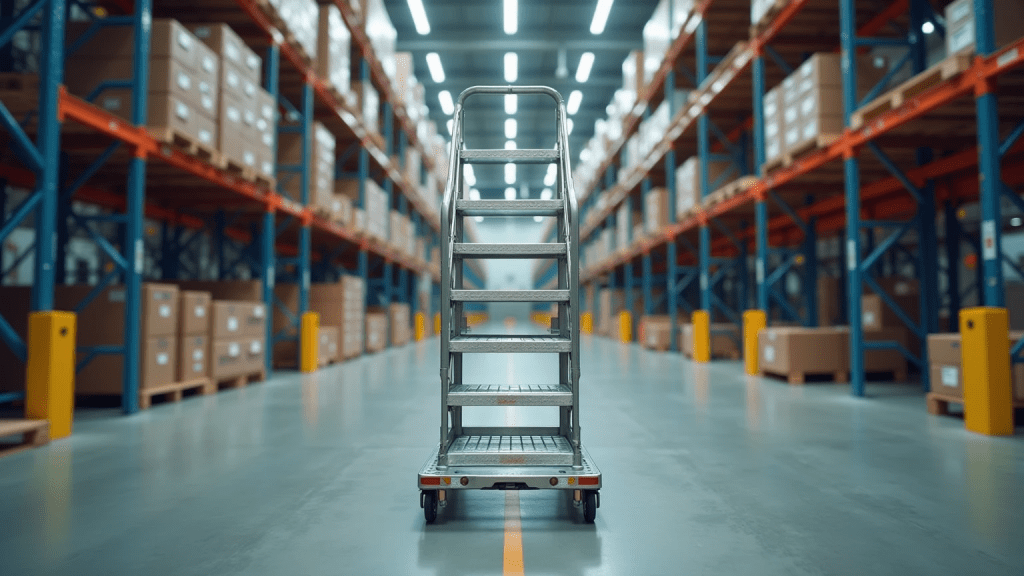
Rolling ladders are vital tools in industrial and commercial settings, providing both ease of access and enhanced safety. They are essentially mobile staircases mounted on wheels, which allow workers to reach elevated areas such as high shelves, storage racks, and maintenance zones effortlessly. These ladders are commonly found in environments like warehouses, retail shops, and libraries. The wheels of a rolling ladder provide exceptional maneuverability, enabling single-person operation while the wheels can be locked in place for stability during use.
Key components of rolling ladders include the ladder frame, wheels, and safety rails, each playing a significant role in their operation. The ladder frame is built from durable materials like steel for robustness, ensuring it can withstand heavy-duty tasks over time. The wheels are designed to be both smooth-rolling and secure, often featuring locking mechanisms that prevent unwanted movement. Safety rails are crucial as they offer users safety and balance when ascending or descending, further mitigating fall risks. These components collectively make rolling ladders a reliable choice for businesses where safety and accessibility are paramount.

Enhanced Safety Features of Rolling Ladders
Rolling ladders are designed with enhanced safety features to ensure stability and prevent workplace accidents. One of the critical aspects of these ladders is their stability and weight distribution, which plays a significant role in reducing accidents. A well-balanced rolling ladder helps distribute weight evenly, minimizing the risk of tip-overs. Studies have shown that improvements in ladder design have led to a reduction in workplace accidents related to ladder missteps. This highlights the importance of carefully engineered design components that make rolling ladders a safer option compared to traditional ladders.
Moreover, rolling ladders are equipped with various locking mechanisms that significantly enhance safety. These locking mechanisms are crucial for securing the ladder in place during use, preventing unintended movement that could result in accidents. For instance, industry standards such as the Occupational Safety and Health Administration (OSHA) guidelines emphasize the importance of using proper locking systems to ensure ladder stability. Many rolling ladders are outfitted with a range of locks like brake locks, wheel locks, and step locks. These contribute to the overall safety by ensuring the ladder remains stationary when in use, aligning with regulatory safety measures. By adopting these advanced safety features, companies can better protect their employees while maintaining efficient operations.
Space Efficiency in Industrial Settings
In industrial settings where space is at a premium, rolling ladders are an excellent solution to maximize space efficiency by utilizing vertical space effectively. By allowing workers to reach elevated storage areas, these ladders help optimize the use of otherwise inaccessible heights. For example, in automotive parts warehouses, rolling ladders can be seen frequently accessing high shelves, storing and retrieving parts without causing any disruption to the operational floor space. This vertical utility not only enhances organizational operations but also contributes to an efficient workflow.
Moreover, the design features of rolling ladders significantly improve maneuverability in confined industrial environments. Equipped with smooth-rolling wheels and compact designs, these ladders can be effortlessly moved through narrow aisles and around tight corners. This feature is especially beneficial in environments like manufacturing plants, where space is limited, and workflow continuity is crucial. Easy transportation and positioning of rolling ladders ensure minimal disruption to ongoing operations, contributing to a smoother and uninterrupted work process.
Enhanced Safety Features of Rolling Ladders
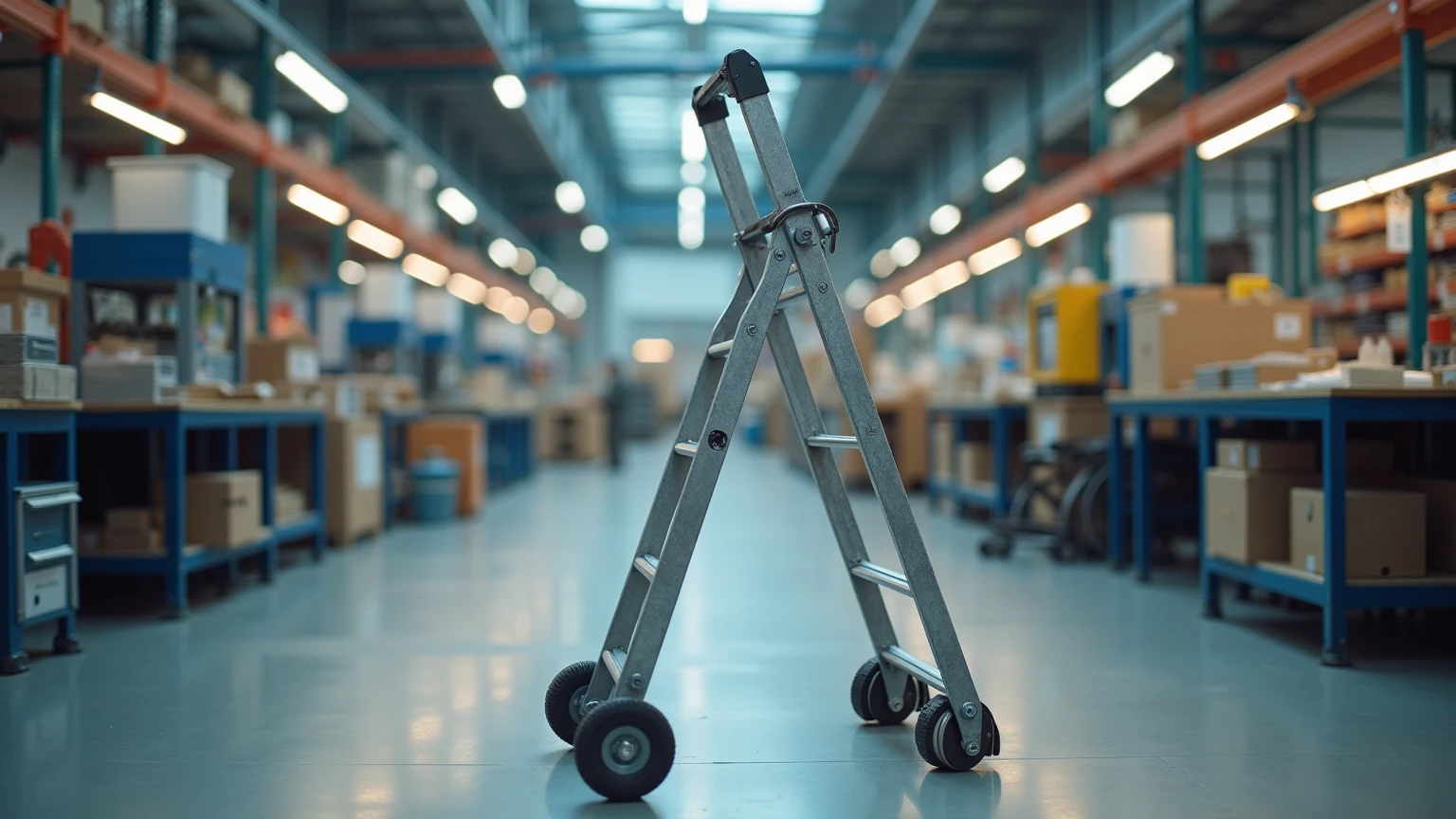
Stability and weight distribution are crucial safety features that make rolling ladders vital equipment in industrial settings. These components are engineered to reduce workplace accidents, with statistics showing a significant decrease in falls and injuries owing to improved design. For instance, the broad base and sturdy construction of rolling ladders provide greater stability compared to conventional ladders, making them less likely to tip over during use.
Rolling ladders incorporate various locking mechanisms that further enhance safety. These include brake systems and locking steps that secure the ladder firmly in place when in use. According to industry standards, such as those outlined by OSHA, these safety mechanisms are mandatory for compliance and are a common feature in many advanced industrial ladders. By adhering to these standards, businesses ensure a safer environment for their workforce, reducing the likelihood of accidents and fostering a culture of safety in the workplace.
Durability of Rolling Ladders
Rolling ladders are known for their durability, largely due to the materials employed in their construction. Typically, high-quality aluminum and steel are chosen for their structural strength and resistance to wear and tear. Aluminum is favored for its lightweight and rust-resistant properties, making it ideal for environments where weathering is an issue. Steel, on the other hand, offers superior strength and durability, making it a popular choice in settings that demand heavy-duty performance. Both materials ensure that the ladders can withstand rigorous industrial use, providing a dependable solution for accessing high areas repeatedly.
The lifespan of rolling ladders can be quite substantial when proper maintenance practices are observed. According to industry standards, a well-maintained rolling ladder can last anywhere from 15 to 20 years. Routine inspections and timely repairs are essential to extending their service life. Maintenance typically involves checking for loose bolts, signs of rust, and ensuring that casters and brakes are functioning properly. Expert opinions and best practices suggest that regular lubrication and cleaning are key to preserving the ladder’s performance and ensuring the safety of its users. By adhering to these maintenance guidelines, businesses can optimize the longevity of their rolling ladders, reducing the need for frequent replacements and mitigating operational disruptions.
Versatility of Rolling Ladders
Rolling ladders are extensively used across various industries due to their flexibility and adaptability. In manufacturing, they assist workers in accessing high storage areas safely and efficiently. Warehouse operations utilize them for inventory management, enabling easy movement and retrieval of items on higher racks. Retail environments benefit from rolling ladders in stocking shelves and changing displays, enhancing employee productivity and customer service. Their application is not only limited to these examples but can be seen in multiple sectors requiring elevated access.
Moreover, rolling ladders offer a range of customization options to cater to specific industrial needs. They can be designed with different step widths, heights, and platform configurations to suit various tasks. Some models include features like lockable wheels for stability or handrails for additional safety. This customization ensures that rolling ladders can be tailored to fit unique operational requirements, demonstrating their remarkable versatility and utility. Businesses can select materials, colors, and additional attachments, further enabling them to optimize these ladders for their specific use cases.
How to Buy Rolling Ladders
When considering the purchase of a rolling ladder, several key factors should guide your decision to ensure you choose a reliable and suitable option:
- Weight Capacity: Determine how much weight the ladder needs to support, including the user and any tools or materials carried.
- Height Requirements: Assess the necessary height to reach desired areas safely.
- Safety Features: Look for features such as handrails, locking mechanisms on wheels, and anti-slip steps to ensure user safety.
- Durability and Material: Consider materials like steel or aluminum for durability and longevity.
- Ease of Mobility: Ensure the ladder can be easily maneuvered in your space.
When it comes to purchasing, reputable retailers such as industry-specific suppliers and large hardware stores are ideal choices. Customer testimonials and industry reviews often highlight the quality and reliability of brands like Tri-Arc, which are known for their durable and safe rolling ladders. Always compare options and consult reviews to make informed decisions.
FAQs
What are the main benefits of using rolling ladders in industrial settings?
Rolling ladders offer enhanced safety, improved space efficiency, robust durability, and versatility across different industrial applications. They feature safety mechanisms like locking wheels and offer customization options for various tasks.
How do rolling ladders enhance workplace safety?
These ladders incorporate stability features and multiple locking mechanisms to prevent accidents. They have broader bases for better weight distribution and comply with OSHA safety standards, reducing falls and injuries.
Can rolling ladders be customized?
Yes, rolling ladders can be customized with options such as different step widths and heights, lockable wheels, handrails, and other features to meet specific individual or industrial needs.





留下评论