

Understanding Dock Plates: A Key Warehouse Component
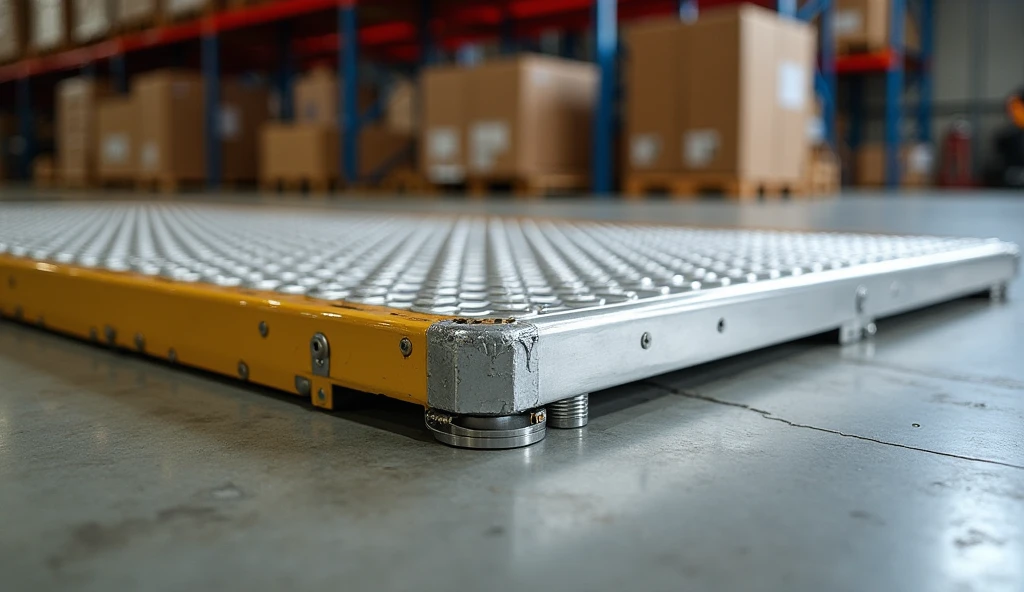
Dock plates are essential tools in any warehouse, acting as portable ramps that bridge the gap between loading docks and the beds of trucks or trailers. Typically constructed from durable metal like aluminum, dock plates are designed to facilitate the safe transfer of goods. These ramps are lightweight and flexible, making them ideal for environments that require frequent adjustments during loading and unloading operations.
The critical role of dock plates in material handling cannot be overstated. They enhance the efficiency of loading and unloading goods, ensuring that operations run smoothly. Studies on warehouse efficiency indicate that using dock plates can significantly reduce loading times by providing an effective transition surface. This improvement in workflow helps in minimizing downtime and maximizing throughput.
Moreover, dock plates are instrumental in maintaining workplace safety by preventing accidents and injuries. By creating a stable passageway between the dock and the vehicle, they minimize the risk of trips and falls—common causes of workplace injuries. According to the U.S. Bureau of Labor Statistics, over 70% of workplace incidents stem from slips, trips, and falls, underscoring the importance of preventive measures like using dock plates.

Key Considerations for Measuring Your Dock Plate
When choosing the right dock plate, it is crucial to consider the specific width and length requirements based on your equipment and load sizes. Generally, dock plates range from 36 to 84 inches in width and should be 12 to 18 inches wider than the loading vehicle or pallet to ensure easy and secure movement of goods. Proper sizing not only enhances efficiency but also maximizes safety and stability during loading and unloading processes.
Calculating the height differential is equally important to ensure that dock plates properly align with warehouse loading docks and vehicles. This involves measuring the difference between the loading dock height and the highest truck bed height, known as the height differential. For example, standard height differentials may use 55 inches for freight trailers and 59 inches for refrigerated trailers. By adhering to safety standards such as these, businesses can maintain a smooth workflow while mitigating the risks associated with uneven surfaces.
Choosing the Right Material: Steel vs. Aluminum
Selecting the proper material for dock plates can significantly affect performance and longevity in various industrial settings. Aluminum dock plates offer several advantages, including their lightweight nature, corrosion resistance, and ease of handling, which makes them ideal for applications requiring frequent relocations or those operating in environments prone to moisture and rust. For example, industries such as pharmaceuticals or food processing, where cleanliness and lightweight handling are priorities, can greatly benefit from aluminum dock plates due to their non-corrosive properties and ease in maneuverability. Additionally, aluminum dock plates are often preferred for operations involving light to medium load capacities, where quick setup and movement are essential.
On the other hand, steel dock plates are renowned for their durability and higher weight capacity, making them more suitable for heavy-duty applications. These dock plates are equipped to handle more massive loads, which is crucial in industries like manufacturing or construction, where hefty machinery or materials are transported regularly. The superior strength and resilience of steel dock plates ensure they can withstand rigorous use over extended periods without compromising safety or functionality. Insights from professionals in industrial applications often highlight the indispensable role of steel dock plates in environments demanding maximum strength and stability for safe and efficient operations. By considering the material properties and specific use cases, businesses can better decide between aluminum and steel, aligning dock plate selection with operational demands and environmental conditions.
Dock Plate Weight Capacity: Ensuring Safety
Understanding the weight ratings of dock plates is crucial to ensuring workplace safety and operational efficiency. Each dock plate comes with a specific weight capacity rating that indicates the maximum load it can safely handle. This information is typically marked on the plate itself, often accompanied by a chart detailing various capacities for different situations. Failure to comply with these ratings can lead to accidents, potential equipment damage, and significant business downtime. Therefore, it is imperative for warehouse managers to routinely check these ratings to match them with the weights they plan to move, as noted in various industry safety guidelines.
When selecting the appropriate dock plate capacity, it is essential to consider the specific needs of your operations. Different industries have varied requirements; for instance, manufacturing facilities might deal with heavier loads compared to retail storage facilities. According to industry standards, it’s recommended to choose a dock plate with a capacity that exceeds the heaviest equipment and total load weight involved in its use. This precautionary measure helps safeguard against unexpected shifts in load or equipment failures, promoting a safer working environment and prolonging the dock plate’s lifespan.
Proper Installation Techniques for Maximum Safety
Proper installation of dock plates is crucial for ensuring the safety and efficiency of operations. To start, a pre-installation checklist is essential. This checklist should include verifying the dimensions of the dock plate to ensure it fits the loading dock’s specifications, confirming its weight capacity to prevent overloading, and assessing surface conditions for any potential hazards like slips or improper leveling. Having a physical checklist on hand can help ensure all necessary steps are completed prior to installation, reducing the risk of accidents substantially.
Once the pre-installation requirements are met, it’s important to follow a step-by-step guide for installing dock plates correctly. Firstly, position the dock plate carefully, ensuring it is securely aligned with both the dock and the transport vehicle. Secondly, use appropriate securing mechanisms to prevent the plate from shifting during use. Emphasizing safety measures such as wearing protective gear and having additional staff on site to help manage heavy equipment is vital. Lastly, ensuring that visual resources, like video tutorials, are available can offer additional guidance to foster better installation practices for individuals unfamiliar with manual instructions.
Where to Buy Dock Plate Online: Finding Quality Products
When shopping for dock plates online, it’s essential to consider several factors to ensure you’re purchasing high-quality products. Look for online retailers that feature positive customer reviews, as this feedback can provide insights into the reliability and performance of the product. Additionally, evaluate the retailer’s return policies and product warranties to safeguard your purchase. Resources like the Better Business Bureau (BBB) and Trustpilot can be valuable for confirming the credibility and reliability of sellers.
Several reputable websites are known for offering a wide range of dock plates, including Grainger, Uline, and Global Industrial. These platforms consistently receive high marks from industry experts for their extensive product selections and customer service. Grainger, for example, offers detailed product descriptions and specifications, which can aid in making informed decisions. Uline is praised for a broad inventory and favorable shipping policies, while Global Industrial is known for competitive pricing and variety. By choosing from these trusted sources, businesses can confidently find the right dock plates to suit their needs.
FAQ Section
What are dock plates used for?
Dock plates are portable ramps that bridge the gap between loading docks and truck beds, used to facilitate the transfer of goods safely and efficiently.
How do I choose the right size dock plate?
Choose a dock plate based on your equipment’s width and load sizes, ensuring it is 12 to 18 inches wider than the loading vehicle or pallet for safe operations.
Which material is better for dock plates, steel or aluminum?
The choice depends on the application: aluminum is lightweight and resistant to corrosion, ideal for frequent relocations, while steel offers higher durability and weight capacity for heavy-duty applications.
How important is weight capacity for dock plates?
Weight capacity is critical; exceeding the specified limits can cause accidents and equipment damage, hence selecting a dock plate that exceeds the heaviest load is advised.
Where can I purchase dock plates online?
Reputable sites like Grainger, Uline, and Global Industrial offer a wide range of dock plates with favorable return policies and high customer ratings.





留下评论