
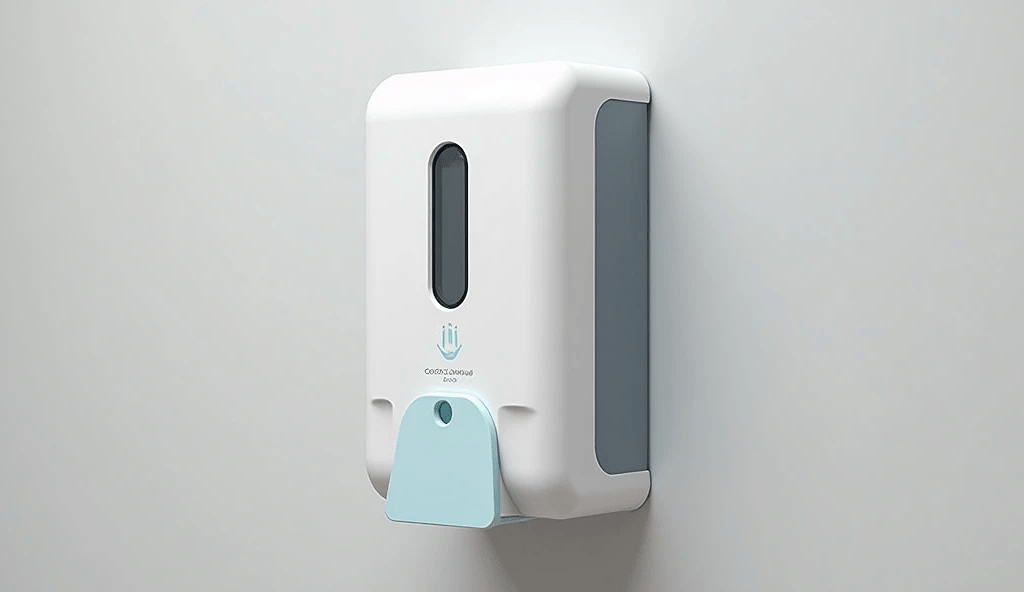
Understanding the Importance of Soap Dispensers for Workplace Cleanliness
Maintaining cleanliness through effective hygiene practices in the workplace is crucial for reducing employee absences due to illness. Proper hand hygiene can significantly decrease the spread of infectious diseases, benefiting both individual health and business productivity. According to the Centers for Disease Control and Prevention (CDC), regular handwashing is one of the most effective ways to prevent illness and the spread of germs.
Soap dispensers play a pivotal role in enhancing workplace hygiene by providing easy and convenient access to handwashing facilities. By ensuring that soap is readily available, they encourage employees to wash their hands frequently, thereby minimizing the spread of germs. Studies suggest that when handwashing facilities are conveniently located, the frequency of use significantly increases, bolstering hygiene practices.
Moreover, soap dispensers offer a more hygienic alternative to conventional soap bars, since they administer a measured and controlled amount of soap, reducing waste and ensuring hygiene. Unlike bar soaps, which can harbor germs when shared, dispensers help maintain cleanliness in high-traffic areas by minimizing direct contact. This not only reduces the risk of contamination but also supports the overall goal of maintaining a healthy work environment.
Why Gojo Soap Dispensers Stand Out
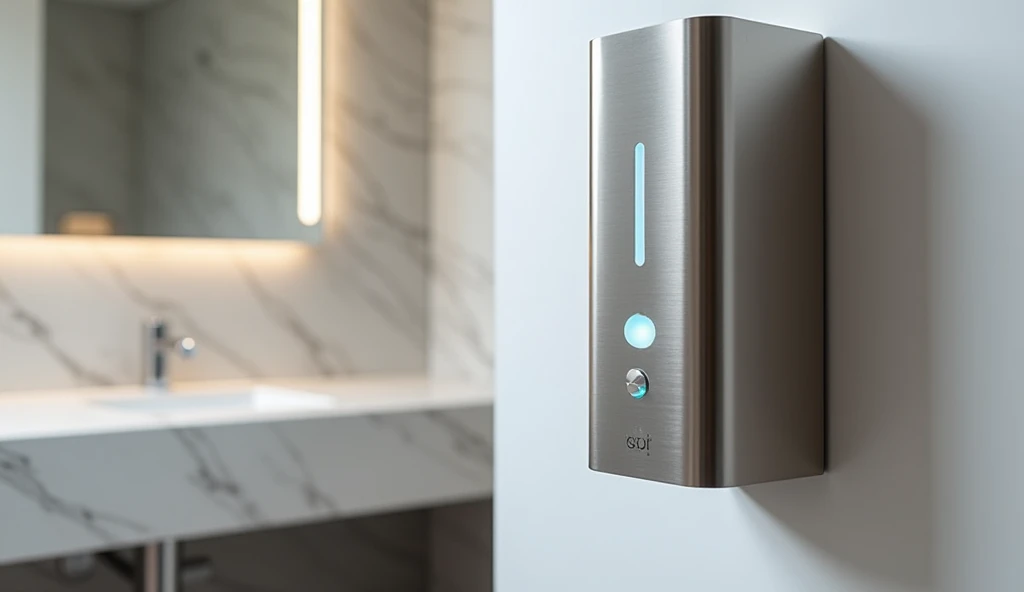
Gojo soap dispensers distinguish themselves with their superior design focused on ease of use. These dispensers often feature ergonomic designs that include intuitive dispensing mechanisms making them simple to operate. For instance, many Gojo models are designed to be user-friendly for people of all ages and abilities, reflecting the brand’s commitment to accessibility.
The functionality of Gojo dispensers further enhances the user experience through touch-free operation. This feature not only increases convenience but also plays a crucial role in minimizing cross-contamination, making it particularly valuable in environments where hygiene is paramount. Users can simply place their hands under the sensor to dispense soap, avoiding the need to touch any surfaces.
Gojo dispensers are built using durable plastics, capable of withstanding heavy usage and resisting breaks. This robust construction ensures that they maintain their integrity over long periods, even in high-traffic areas. The resilience of these materials contributes to the dispensers’ longevity, offering reduced long-term costs compared to less durable options. Examples from industry feedback often cite Gojo dispensers as enduring solutions with a significant return on investment, both in terms of performance and budget efficiency.
Best Soap Dispenser for Home and Office Use
Choosing the right soap dispenser for your home or office involves weighing the benefits of manual versus automatic dispensers. Manual dispensers are often more affordable and straightforward, allowing for precise control of the amount of soap dispensed. However, they require physical contact, which can be a downside for hygiene. On the other hand, automatic dispensers, while typically more expensive, offer touch-free operation that minimizes germ spread and provides a seamless user experience. This feature can be particularly beneficial in high-traffic areas but may require battery replacements or maintenance.
When selecting between manual and automatic dispensers, consider factors like user preference and hygiene requirements. For instance, in a family setting where children are present, a manual dispenser might serve as a more cost-effective choice. In contrast, an automatic dispenser may be more appropriate in an office environment where hygiene is a top priority. Additionally, consider the dispenser’s size and capacity; larger dispensers reduce refill frequency and save time, which can be advantageous in busy settings.
The right size and capacity of a dispenser can significantly impact its practicality. For home use, a medium-sized dispenser might suffice, while larger office spaces could benefit from bigger models with higher capacities. Selecting the correct size not only ensures efficient use of space but also lowers costs as it reduces the need for frequent refilling. As such, when choosing a soap dispenser, assessing these factors in relation to your specific needs can lead to more effective and economical solutions for maintaining hygiene standards.
Choosing the Best Soap Dispenser for Home: Features to Look For
When selecting a soap dispenser for home use, ease of use is paramount, as it can significantly influence regular handwashing habits among family members. A dispenser with a simple operation encourages everyone, including children, to wash their hands more frequently. This ease also extends to dispensing the right amount of soap without causing spills or wastage, ensuring a tidy and efficient handwashing experience.
Moreover, the practical aspect of refilling soap dispensers cannot be overlooked. Dispensers that allow for quick and hassle-free refills are particularly advantageous in a home setting. They save time and reduce the likelihood of a mess, making it convenient to maintain hygiene standards with minimal effort. A wide mouth or a removable top can facilitate easy refilling.
Design and aesthetic considerations play a significant role when integrating soap dispensers into home décor. Opting for a stylish yet functional design can enhance the appeal of spaces like kitchens or bathrooms. For instance, sleek stainless steel or transparent acrylic soap dispensers can blend seamlessly with various décor themes without compromising their functionality. Aesthetic appeal can also influence where you choose to place the dispenser, and the right design may encourage more frequent use due to its visual appeal and accessibility.
Key Benefits of Using Gojo Soap Dispensers in the Workplace
Gojo soap dispensers significantly reduce soap waste by dispensing controlled doses, promoting both hygiene and cost-effectiveness. By only releasing the necessary amount of soap, these dispensers help minimize waste, thereby extending the life of soap supplies and cutting expenses associated with frequent replenishment. This efficient dosing ensures that employees use sufficient soap to maintain cleanliness without excess.
Implementing Gojo products fosters a culture of cleanliness among employees, leading to improved workplace health. A clean environment contributes to fewer instances of illness, as hygiene practices are more consistently applied. According to research and testimonials, properly maintained hygiene facilities are linked to increased employee satisfaction and reduced absenteeism due to illness.
Workplace cleanliness has broader implications for productivity, as hygiene practices can positively impact employee morale and output. A clean work environment makes employees feel valued and motivates them to put forth their best effort. Enhanced hygiene facilities like Gojo dispensers are a crucial element in establishing a robust workplace health culture, which can lead to heightened productivity and improved overall workplace dynamics.
How to Properly Maintain Your Soap Dispenser
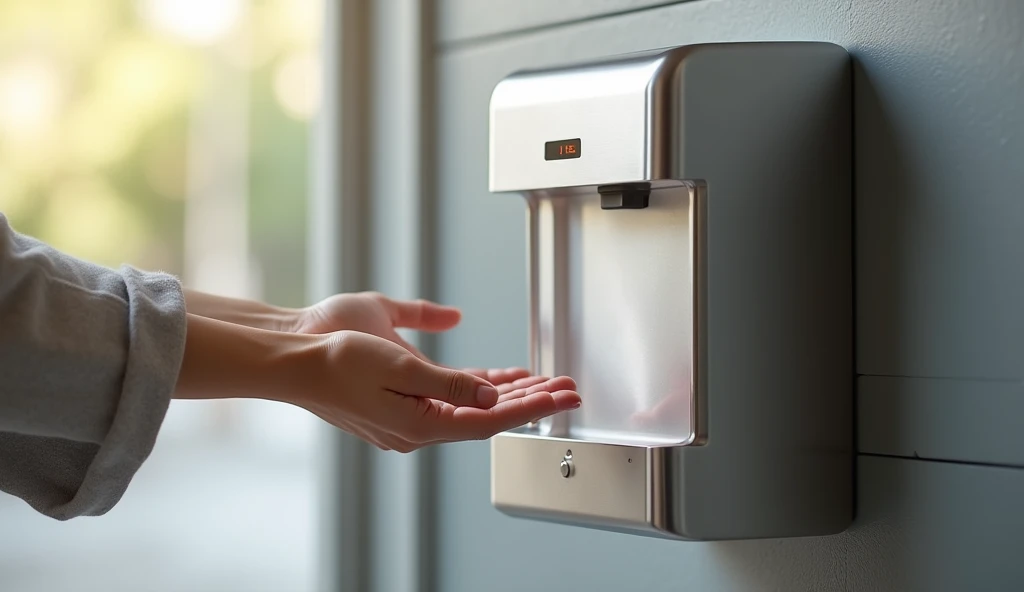
Proper maintenance of soap dispensers is crucial to ensure their functionality and to promote hygiene. Regular cleaning and sanitizing help prevent clogs and maintain the dispenser’s efficiency. It is also important for preventing the build-up of bacteria and soap residue that can affect operation.
Here’s a step-by-step guide on how to clean and sanitize your soap dispenser:
- Empty the Dispenser: Completely empty any remaining soap from the dispenser.
- Rinse with Warm Water: Fill the dispenser with warm water and pump it through to remove leftover soap.
- Use a Suitable Cleaner: Apply a mild detergent or vinegar solution inside and outside of the dispenser for thorough cleaning.
- Rinse Again: Rinse the dispenser thoroughly with clean, warm water to ensure all cleaning agents are removed.
- Sanitize: Use an alcohol-based sanitizer spray, especially on touchable parts like the pump and nozzle.
- Dry Completely: Allow the dispenser to air dry completely before refilling it with soap.
Regularly checking for soap levels is essential to ensure that the dispenser does not run empty, which can hinder proper handwashing practices in both homes and offices. An empty soap dispenser can lead to frustration and decreased hygiene standards.
Be aware of common signs of dispenser malfunctions, such as unusual resistance when pumping or soap leaking from areas other than the nozzle. When these issues occur, inspect for any blockages or worn-out parts and address them promptly. Understanding how to maintain a soap dispenser effectively ensures consistent hygiene and prevents inconveniences associated with maintenance negligence.
FAQ
Q1: What are the benefits of using a soap dispenser instead of bar soap?
A1: Soap dispensers provide a more hygienic option as they dispense measured amounts of soap without direct contact, reducing the spread of germs compared to shared bar soaps.
Q2: How often should a soap dispenser be cleaned?
A2: Soap dispensers should be cleaned regularly, ideally once a month, to prevent clogs and bacteria build-up.
Q3: Are automatic dispensers worth the additional cost over manual dispensers?
A3: Automatic dispensers offer the advantage of touch-free operation which minimizes germ spread. They can be worth the investment in high-traffic areas where hygiene is a priority.
Q4: Can I use any type of soap with my dispenser?
A4: Check the manufacturer’s guidelines, as some dispensers are compatible only with liquid soaps and others might work with foaming soap.



留下评论