
Understanding the Best Dry Erase Boards for Classrooms
Dry erase boards have become indispensable tools in educational settings, thanks to their numerous benefits. Unlike traditional chalkboards, dry erase boards foster interactive learning, making classroom activities more engaging and participative. Students are more inclined to join discussions and present their thoughts when they can easily write and erase ideas, thus enhancing their involvement and comprehension.
These boards are known for their versatility and ease of use. Teachers can swiftly present, modify, and update information, which is particularly useful for dynamic discussion sessions. Unlike chalk dust, there’s no powder residue, making them cleaner and healthier to use. Moreover, dry erase boards are available in various sizes and types, such as melamine, porcelain, and glass, allowing educators to choose what best fits their classroom needs. This adaptability proves beneficial as it accommodates different teaching styles and lesson plans, ultimately fostering a more conducive learning environment.
Types of Dry Erase Boards and Their Benefits
When choosing a dry erase board for a classroom, understanding the different types available and their benefits can guide you to the best choice for your specific needs.
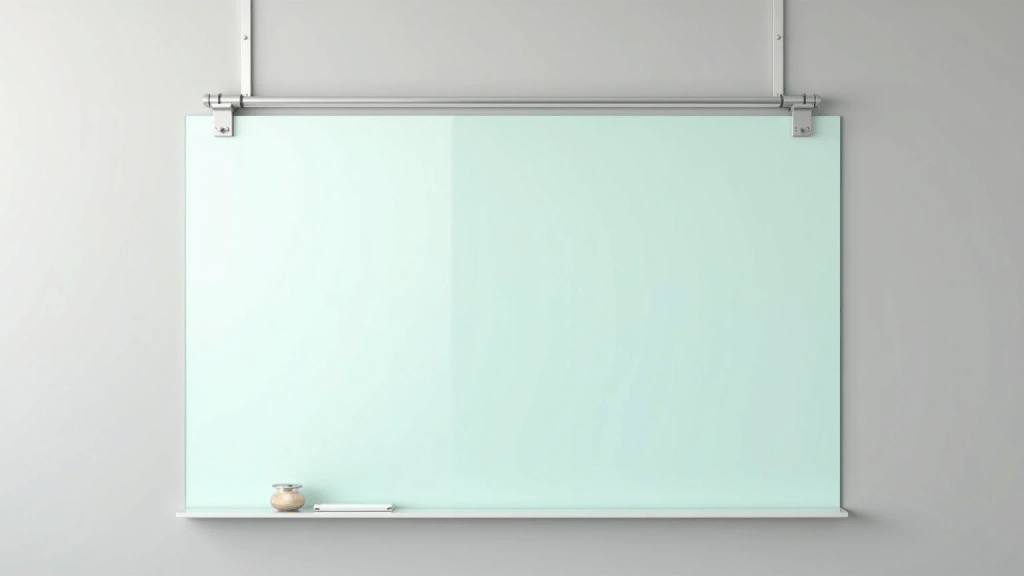
1. Glass Whiteboards: Glass whiteboards are highly durable, offering resistance to scratches and stains, which makes them a preferred option for classrooms focusing on longevity. Their modern aesthetic complements contemporary classroom designs, while their smooth writing surface ensures an easy and enjoyable writing experience. Despite being more expensive and heavier, making installation a bit challenging, their minimal maintenance and long lifespan justify the investment.
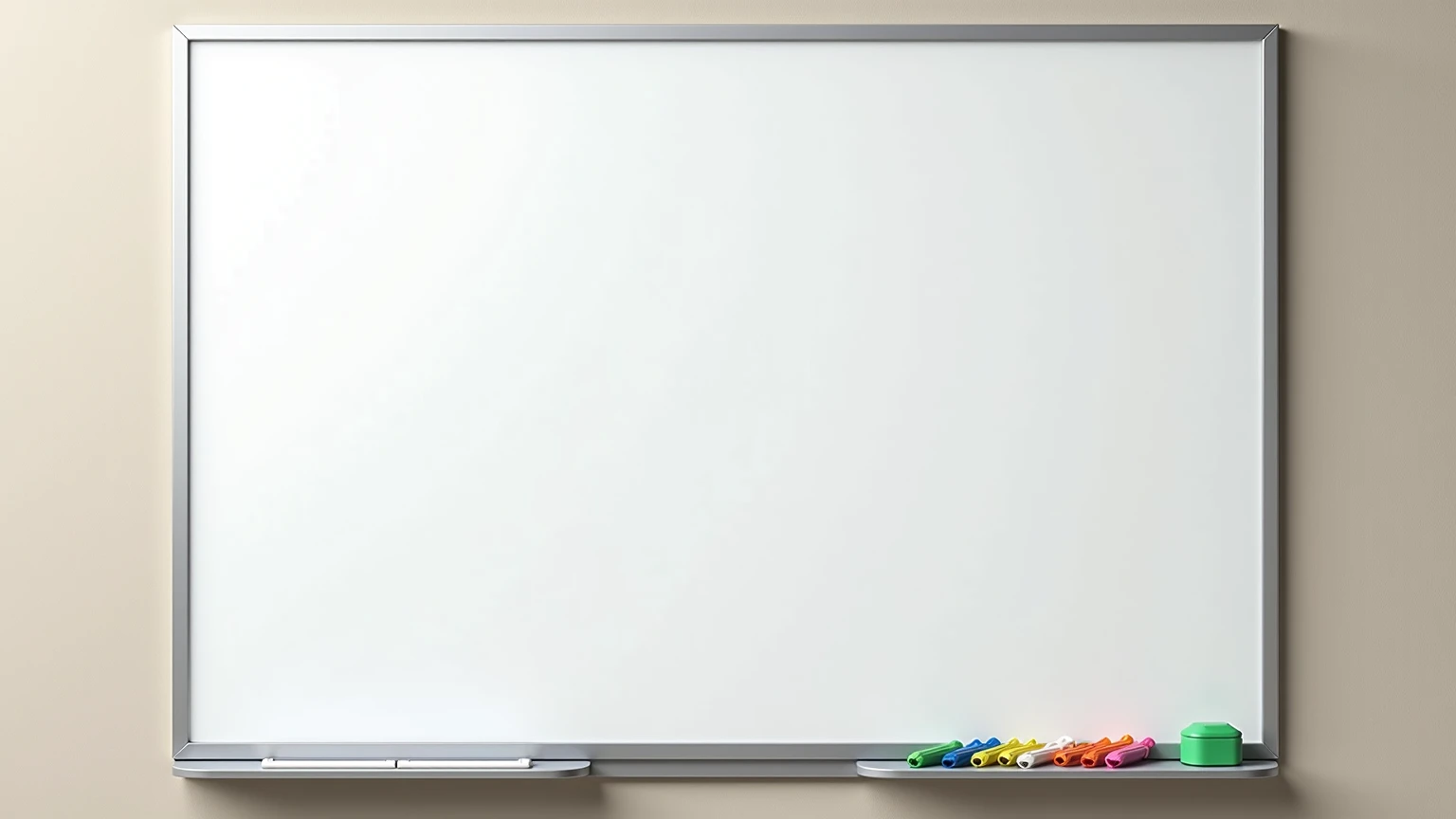
2. Porcelain Whiteboards: Known for their robustness, porcelain whiteboards are perfect for classrooms requiring heavy daily use. Their ceramic surface is scratch-resistant and supports magnetic functionality, adding versatility for educational purposes. While they represent a higher initial cost compared to other materials like melamine, their long-term durability makes them a sound investment for schools looking to minimize replacement frequency and maintenance costs.
3. Melamine Whiteboards: These are the go-to choice for schools operating under tight budgets. Melamine whiteboards are lightweight, easy to install, and affordable, making them ideal for schools needing multiple units without overwhelming costs. However, they are prone to ghosting and staining, which might necessitate more frequent replacements. Despite this, their affordability is key for cost-effective solutions in budget-conscious educational settings.
Factors to Consider When Choosing a Dry Erase Board
When selecting a dry erase board for your educational environment, evaluating size and space considerations is crucial. Educators should carefully measure the available wall space to ensure the board fits within the classroom layout. A board that is too large might overwhelm the space, while one that is too small may not provide adequate room for writing and displaying information, especially from a distance.
Another key factor is balancing durability with cost considerations. While high-end materials like glass and porcelain offer superior longevity and resistance to wear, they come at a higher price. Educators should weigh their budget constraints against the anticipated frequency and intensity of use, opting for a solution that matches both their financial resources and the need for a long-lasting product.
Finally, the importance of cleaning and maintenance cannot be overstated. Selecting a board that requires minimal upkeep is beneficial. For example, glass boards are known for easy cleaning and resistance to staining, whereas melamine might require more frequent attention. Choosing the right cleaning supplies will preserve your board’s integrity and ensure it lasts as long as possible. Proper maintenance ensures a clear and legible board, which is essential for effective teaching and communication.
How to Incorporate Dry Erase Boards into Your Teaching
Incorporating dry erase boards into your teaching can transform the classroom dynamic by enabling a host of interactive learning activities. These boards are perfect for group brainstorming sessions where students can jot down ideas quickly, allowing for a collaborative learning experience. Visual problem-solving exercises can also benefit from dry erase boards, where students can draw diagrams and solutions in real time, fostering an engaging and participatory environment.
Additionally, dry erase boards can be used to engage students more effectively through strategies like quick quizzes and drawing exercises. These activities allow teachers to provide instant feedback and involve students in a more dynamic way. For instance, students can answer questions on their boards, which enables the teacher to assess understanding immediately. Drawing exercises, such as diagram labeling, not only keep students entertained but also help in retaining knowledge more effectively.
By integrating these techniques, educators can enhance classroom engagement and make learning sessions more effective and enjoyable.
Tips for Maintaining Your Dry Erase Board
Proper maintenance of your dry erase board enhances its longevity and ensures optimal performance. To clean your board, use appropriate cleaners like whiteboard cleaner for melamine and porcelain surfaces, and regular glass cleaner for glass boards. This prevents staining and ghosting, thereby preserving the board’s surface. When cleaning, utilize a soft cloth or designated cleaning tools to avoid scratches that might degrade the board over time.
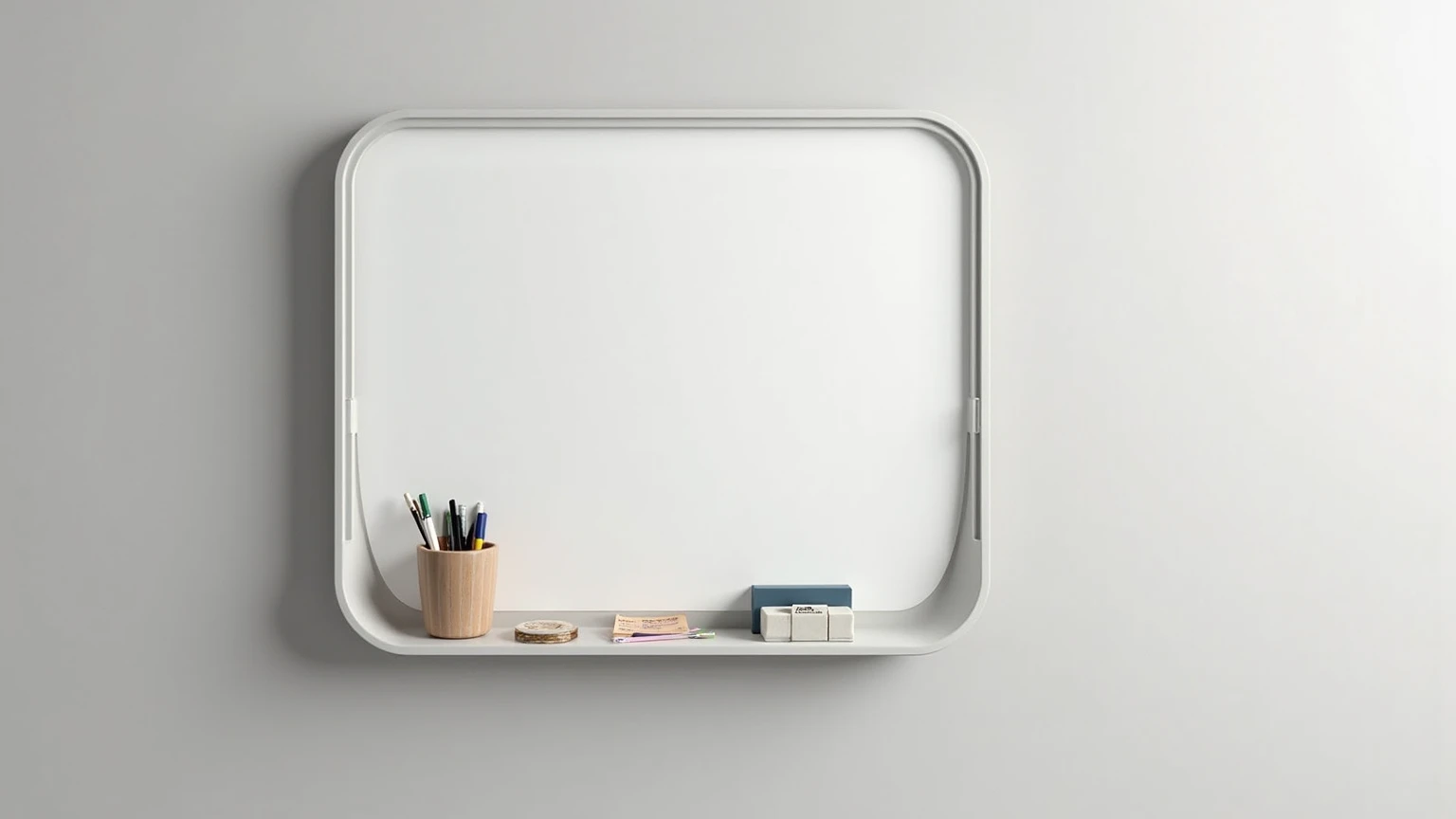
In addition to keeping your board clean, organizing your storage solutions helps prevent damage to the board’s surface. Store markers and erasers in a dedicated space to avoid clutter and accidental wear and tear. Consider using a magnetic strip or a marker holder attached to the board for easy access. This enhances functionality and protects the board from unnecessary damage, extending its lifespan.
Frequently Asked Questions About Dry Erase Boards
When selecting the best material for a dry erase board, consider the specific needs and usage. Glass whiteboards are durable, modern, and resistant to ghosting but can be expensive and heavy. Porcelain whiteboards offer excellent durability and are resistant to scratches and stains, making them ideal for heavy use. Meanwhile, Melamine whiteboards are budget-friendly but can ghost and stain over time.
To prevent ghosting and maintain board clarity, use effective cleaning practices and materials. Regular cleaning with appropriate cleaners, such as those designed for dry erase boards, helps prevent marker residue. Additionally, using microfiber cloths can preserve the surface quality and enhance longevity.
FAQ Section
What are the key benefits of using dry erase boards in classrooms?
Dry erase boards promote interactive learning, allow for easy modification and update of information, and are cleaner than traditional chalkboards.
Which type of dry erase board is the most affordable?
Melamine whiteboards are generally the most affordable option, though they may require more frequent replacement.
How do I maintain and clean a dry erase board?
Use appropriate cleaning supplies such as whiteboard cleaner for melamine and porcelain boards, and glass cleaner for glass boards. Regular cleaning prevents ghosting and staining.
What factors should I consider when choosing a dry erase board?
Consider the size of the board, durability versus cost, and ease of maintenance when selecting a dry erase board for your classroom.
Can dry erase boards be used for interactive teaching activities?
Yes, they can be used for group brainstorming, quick quizzes, drawing exercises, and instant feedback, enhancing classroom engagement.



留下评论