
Understanding the Importance of a Design Guide for Packaging
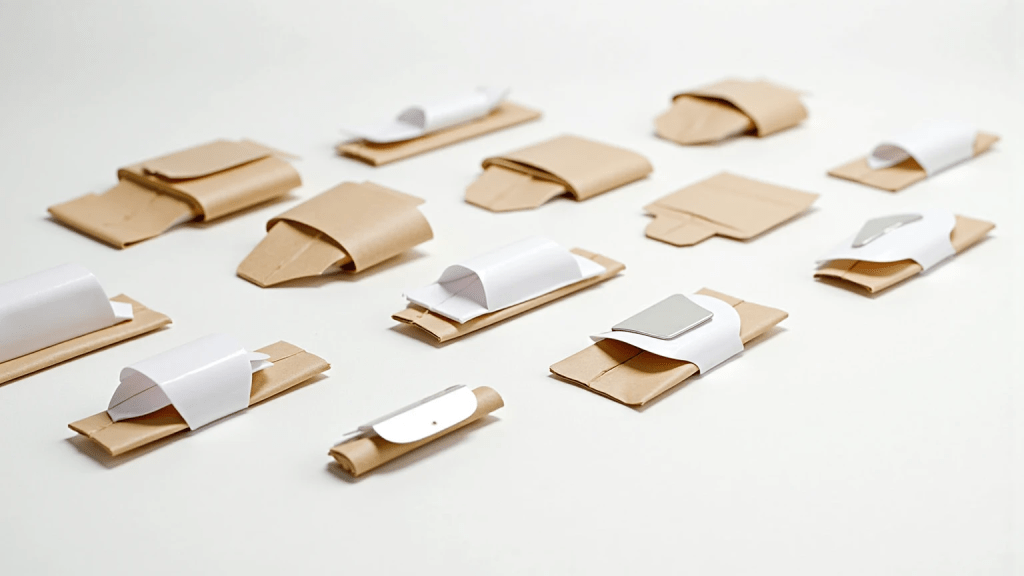
Packaging plays a crucial role in influencing consumer purchasing decisions, with studies showing that over 70% of buying decisions are made in-store. Effective packaging design serves as a silent salesman, drawing attention and conveying essential product information. This means that packaging is not just about aesthetics; it’s about appealing to consumers’ senses and conveying trust and reliability through visual cues. By presenting clear and concise information, packaging can seamlessly guide customers’ choices and foster a connection between the product and the buyer.
Moreover, packaging embodies brand identity, providing an opportunity for companies to differentiate themselves and establish recognition in a crowded market. Beyond merely protecting the product, packaging design is a pivotal aspect of branding that can communicate themes, values, and benefits unique to the brand. Distinctive designs can enhance brand recall and establish an emotional connection with consumers, encouraging brand loyalty and repeat purchases. Hence, a well-crafted design guide that aligns packaging with brand identity is instrumental in leveraging these benefits to stand out amidst a competitive retail environment.
Key Elements to Include in Your Design Guide for Packaging
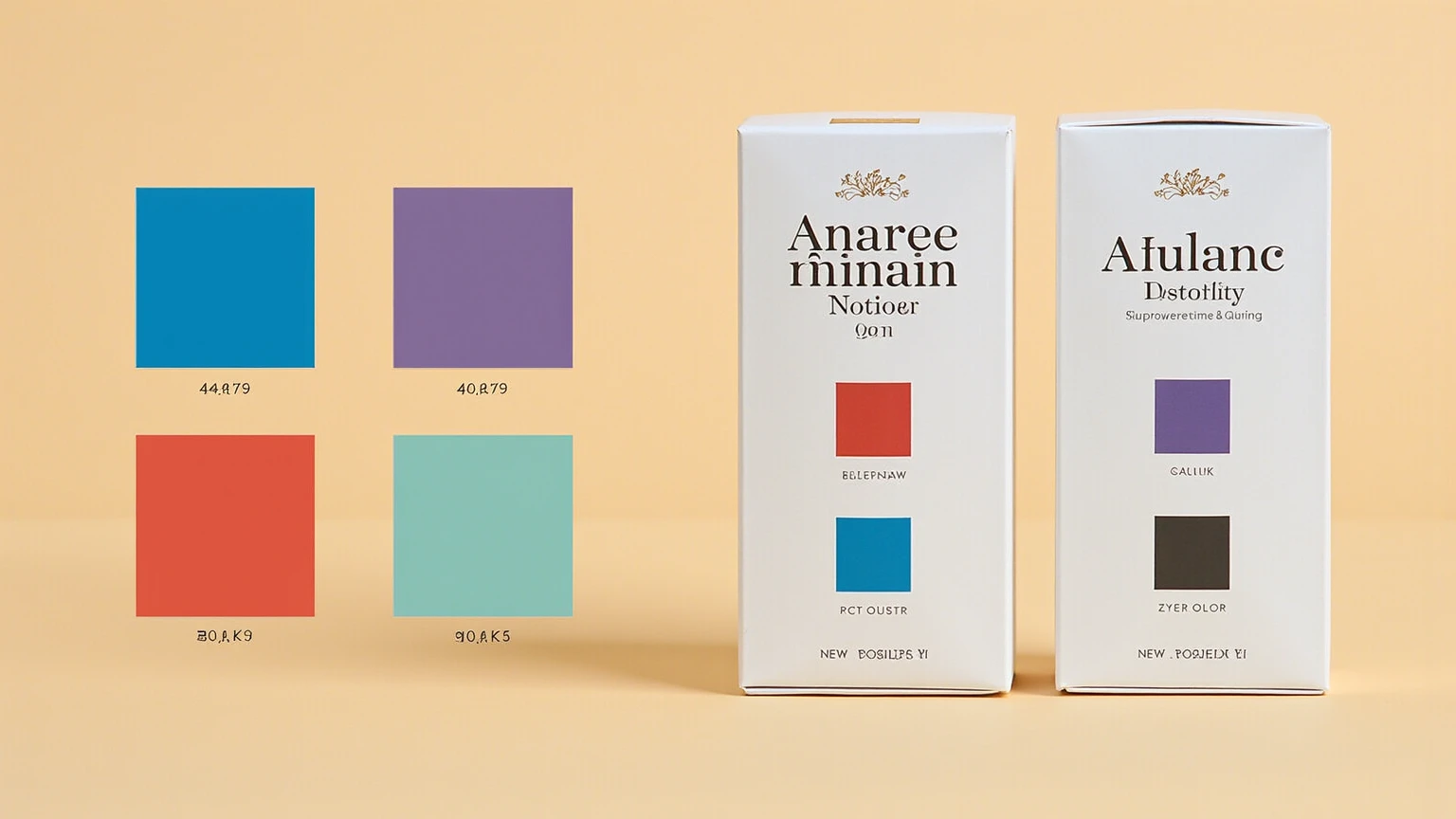
Choosing the right materials is essential for packaging design, considering factors like durability, design versatility, and consumer perceptions. Using eco-friendly materials can greatly enhance your brand image and customer loyalty. Consumers today are increasingly attentive to environmental issues, and using sustainable packaging materials can position your brand as socially responsible and forward-thinking.
Adopt innovative design principles, such as minimalistic designs, to highlight product functionality and aesthetic appeal. A minimalist approach, like using simple and clean lines, allows the product to speak for itself and can be particularly effective for luxury items and cosmetics. According to minimalist design guidelines, “less is more”, which ensures that the focus remains on the product and brand identity without overwhelming the consumer.
Incorporate sensory elements, such as texture, color, and imagery, to create a memorable unboxing experience that resonates with your audience. These elements can enhance the tactile experience and appeal to consumer senses, making the packaging more interactive and enjoyable. A thoughtfully designed unboxing experience not only makes a strong first impression but also fosters an emotional connection with the product and the brand, encouraging repeat business.
Sustainability Considerations in Box Design
Incorporating eco-friendly materials in box design is an essential step towards sustainability. These materials not only reduce environmental impact but also align with the increasing consumer demand for greener products. With the global shift toward sustainability, selecting materials that are eco-friendly can significantly enhance brand reputation and customer loyalty, as demonstrated by leaders like Google.
Recyclable and Biodegradable Materials
Utilizing substantial recyclable or biodegradable resources in packaging supports a circular economy. Implementing these materials is not just a mark of corporate responsibility but also a strategic move to differentiate a brand in a competitive market.
Smart Design Choices
Embracing design principles that minimize waste is another critical consideration. Minimalistic packaging that serves multiple purposes, such as being easily reusable or adaptable for different uses, not only reduces material usage but also appeals to the eco-conscious consumer. Companies can leverage these strategies to elevate their sustainability profiles while still meeting practical packaging needs.
Creating a User-Friendly Experience with Packaging Design
Creating a user-friendly experience with packaging design significantly enhances customer satisfaction. Key elements include making packaging easy to open and handle, minimizing customer frustration. Simple mechanisms or innovative designs that allow for effortless access can greatly enhance the user experience. According to industry research, consumers are more likely to repurchase a product if the packaging is perceived as functional and convenient.
Design with User Experience in Mind
Focus on packaging features that improve usability, such as easy-to-carry handles or resealable closures, which enable customers to use the product conveniently across various settings. Such thoughtful design choices make the product more accessible and appealing to a broader audience.
Highlight Easy Disposal
Packaging should incorporate clear and straightforward disposal instructions to promote sustainability and encourage proper recycling. This not only contributes to environmental efforts but also enhances the company’s responsible image, aligning with growing consumer interests in sustainable practices.
Testing and Iteration in Packaging Design
Testing and iteration play a vital role in refining packaging designs to meet consumer preferences and market demands. Gathering feedback from target audiences through surveys or focus groups is an essential step in understanding customers’ perceptions and preferences. By doing so, businesses gain invaluable consumer insights that inform design improvements.
The iterative process allows for testing multiple prototypes to refine packaging designs based on real consumer insights. This approach not only improves functionality and aesthetics but also aligns the packaging with consumer expectations and needs. By documenting changes and improvements throughout the iterative process, companies ensure their packaging remains relevant, thereby adapting to evolving consumer trends and market dynamics. Such a structured approach guarantees that the designs effectively meet both functional and emotional needs of the consumers, maintaining competitiveness in the market.
Case Studies on Successful Packaging Designs
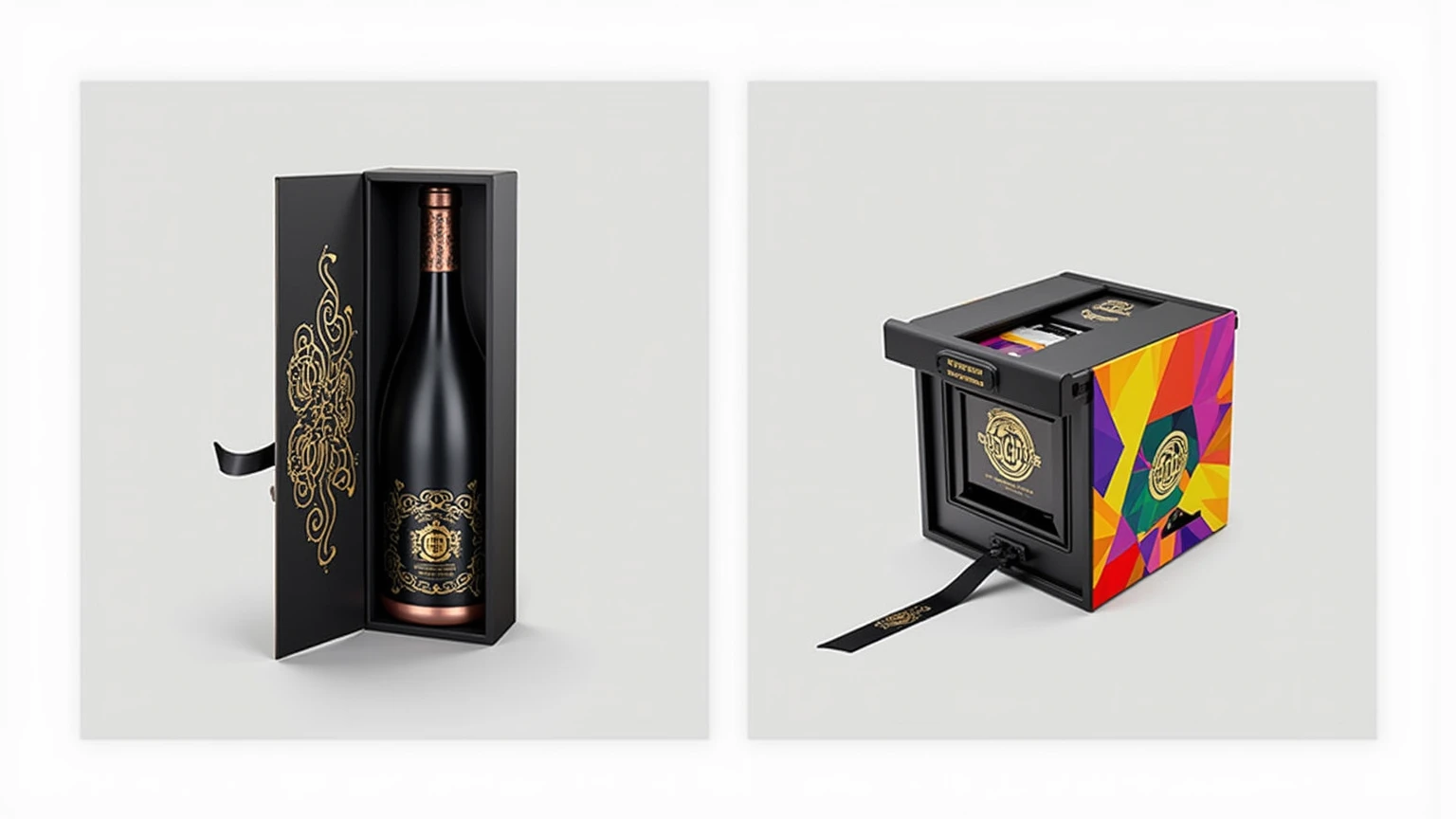
Innovative brands such as Apple and Coca-Cola have set benchmarks in the field of packaging design, showcasing the power of thoughtful and consumer-friendly packaging. Apple, for instance, has revolutionized product packaging by simplifying the unboxing experience, emphasizing minimalism, and utilizing sustainable materials. Coca-Cola, on the other hand, has excelled with its iconic branding and commitment to reducing plastic waste through initiatives like the PlantBottle packaging, which incorporates renewable plant-based materials. These efforts are noted for dramatically influencing industry standards and consumer perceptions.
However, not all packaging ventures are successful. Lessons can be learned from instances of over-engineered designs that resulted in excessive material use, leading to environmental concerns and consumer dissatisfaction. Too complex packaging can often deter customers who prefer simplicity and eco-friendly solutions. An example includes some electronic products’ packaging that incorporates unnecessary plastic components, thus facing backlash from environmentally-conscious consumers.
Case studies explore the evolving trends and preferences in design, providing valuable insights for future guidelines. These analyses highlight the importance of balancing aesthetics, functionality, and sustainability in packaging. By studying both successes and pitfalls, brands can better navigate the complexities of modern packaging design, adapting to the demands of increasingly informed and eco-conscious consumers.
Additional Resources for Developing Your Design Guide for Packaging
When aiming to create a standout packaging design, utilizing powerful tools and software can make all the difference. Programs like Adobe Illustrator and SolidWorks are renowned for their capabilities in crafting detailed and professional packaging designs. These tools provide designers with a vast array of features to explore creative options and refine technical details, ultimately producing packaging that is both aesthetically pleasing and functional.
For those seeking to deepen their understanding of packaging trends and innovations, reputable sources such as Packaging World and The Dieline offer a wealth of information and insights. These platforms regularly publish articles and case studies highlighting the latest in packaging technology and consumer preferences, serving as excellent resources for inspiration and further learning. Engaging with this material can help you stay ahead in a competitive market.
In addition to reading, connecting with other professionals through webinars and workshops can offer invaluable insights. Industry events provide opportunities to learn directly from packaging experts, who can share their experiences and the latest industry trends. Networking in these settings not only enhances your knowledge but can also pave the way for collaborative projects and partnerships that push the boundaries of innovative packaging.
FAQ
What is the main purpose of a packaging design guide?
The main purpose of a packaging design guide is to align packaging with brand identity, facilitate consumer purchasing decisions, and differentiate a brand in a crowded market by providing clear and comprehensive guidelines for packaging design.
Why is sustainability important in packaging design?
Sustainability is important in packaging design as it reduces environmental impact, aligns with consumer demand for greener products, and enhances brand reputation and customer loyalty.
How can a business test and improve packaging designs?
A business can test and improve packaging designs by gathering feedback from target audiences through surveys or focus groups, and by using an iterative process to refine packaging designs based on real consumer insights.





留下评论