
Top 10 Sustainable Packaging Materials for Eco-Conscious Businesses
Sustainable packaging is crucial in today’s market as it meets increasing consumer demand for eco-friendly options while minimizing environmental impact. Defined as packaging that uses renewable or recycled materials, sustainable packaging aims to reduce waste and lower carbon emissions. Its importance is amplified by the rise of eco-conscious businesses, driven by consumer demand for environmentally responsible alternatives to traditional packaging materials. According to a report by The Economist Intelligence Unit, there has been a 71% increase in global online searches for sustainable products over the past five years.
Using sustainable packaging materials is essential in reducing the environmental footprint, as conventional packaging significantly contributes to global waste. With around 300 million tons of plastic waste produced yearly, mainly from packaging, a shift towards sustainable alternatives becomes imperative. Sustainable packaging materials help businesses align with consumer expectations and regulatory pressures while fostering a positive environmental impact. Adopting such materials contributes to a circular economy and helps mitigate issues like pollution and resource depletion, essential for shaping a more sustainable future.
1. Biodegradable Packaging
Biodegradable packaging offers significant environmental benefits, such as reduced landfill waste and minimal ecological impacts. This type of packaging is designed to decompose naturally, thereby decreasing the volume of waste that ultimately ends up in landfills. For instance, traditional plastic packaging can take hundreds of years to break down, whereas biodegradable options can entirely decompose within months or a few years, reducing environmental pollution and fostering a sustainable cycle of use and decomposition.
There are several popular biodegradable packaging materials that businesses are now adopting. Among these are Polylactic Acid (PLA), which is derived from renewable resources like corn starch, and Polyhydroxyalkanoates (PHA), which are produced by bacterial fermentation of sugar. Both these materials offer efficient breakdown within controlled environments. Additionally, paper-based alternatives serve as excellent biodegradable options that are versatile and widely used in various packaging applications. These materials not only reduce reliance on non-renewable resources but also pave the way for sustainable and eco-friendly packaging solutions. By transitioning to biodegradable packaging, companies can significantly contribute to environmental soap packaging initiatives and create more eco-conscious brands.
2. Recycled Cardboard and Paper
The processes of sourcing and processing recycled cardboard and paper are essential for sustainable packaging. Recycled materials begin with the collection of post-consumer products like office paper and used cardboard boxes. These materials are then cleaned, pulped, and re-formed into new cardboard or paper products, emphasizing the importance of a closed-loop system that minimizes waste and maintains quality over multiple recycling cycles. These sustainable practices are critical as they reduce the need for virgin materials, significantly cutting down energy consumption and carbon footprints compared to producing non-recycled cardboard and paper.
Recycled cardboard and paper find a multitude of applications across diverse industries such as retail, food service, and e-commerce. Leading brands in these sectors, from Ikea’s eco-friendly furniture packaging to Amazon’s frustration-free packaging initiatives, leverage recycled materials to enhance sustainability in their supply chains. These companies not only reduce landfill waste but also cater to the growing consumer demand for environmentally responsible packaging. By integrating recycled materials into their operations, these industries exemplify a commitment to environmental stewardship and set a precedent for others to follow.
3. Cornstarch Packaging
Cornstarch packaging is an innovative solution that utilizes cornstarch, a natural polymer, as its main component. Made by processing the starch extracted from corn, this material is transformed into a film or package through a series of steps involving heat, pressure, and sometimes fermentation. The result is a biodegradable and compostable alternative to plastic that can significantly reduce environmental impact and waste.
Cornstarch is a preferred choice for sustainable packaging due to its biodegradability and increasing consumer acceptance. As concerns over environmental pollution rise, more consumers and businesses are leaning towards biodegradable options. Cornstarch packaging can decompose in natural conditions, thereby not contributing to the growing pollution challenge. This feature, coupled with consumers’ growing environmental consciousness, makes cornstarch an appealing option in sustainable packaging solutions.
4. Mushroom Packaging
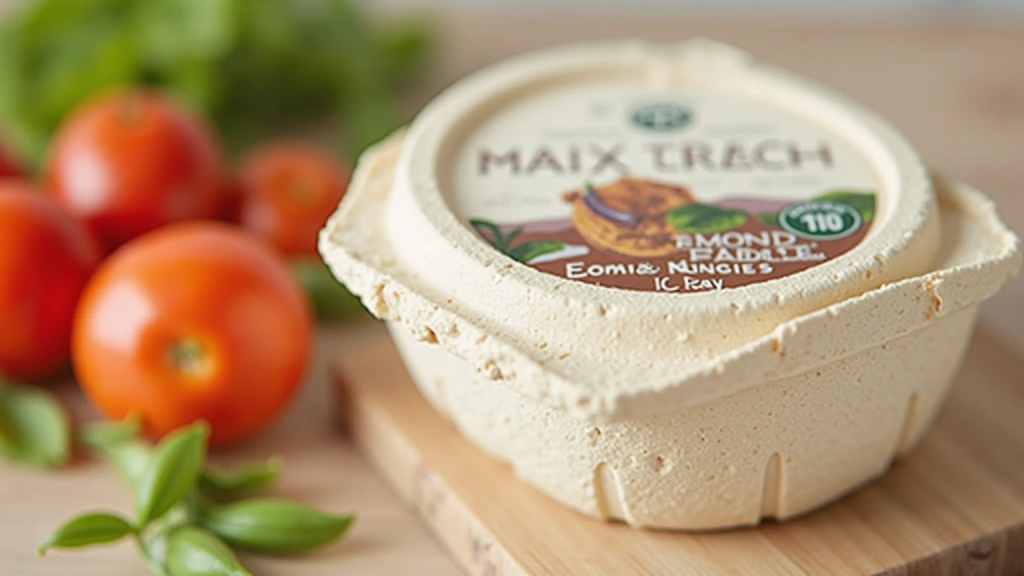
Mushroom packaging is a groundbreaking sustainable solution that centers on utilizing agricultural waste and mycelium, the vegetative part of fungi. This innovative method transforms waste materials into a fully biodegradable product that can decompose in natural environments without harm. Unlike conventional plastic, which may take centuries to break down, mushroom packaging offers a close-to-nature alternative that returns to the earth in a fraction of the time.
The key difference between mushroom packaging and traditional packaging lies in their environmental impact. Conventional plastics contribute significantly to pollution due to their extended decomposition period and reliance on petroleum-based resources. In contrast, mushroom packaging not only reduces waste with its rapid biodegradability but also harnesses renewable raw materials. This stark difference highlights the potential of mushroom packaging to revolutionize the industry by minimizing ecological footprints, making it a choice well worth considering for those investing in sustainable development.
5. Seaweed Packaging
Seaweed packaging is rapidly emerging as an innovative alternative to single-use plastics. This packaging utilizes seaweed as a raw material due to its natural abundance, biodegradability, and potential to replace conventional plastics. Innovators are developing packaging solutions that can dissolve in water or be composted, offering a sustainable alternative to traditional methods.
The environmental benefits of using seaweed for packaging are notable. Seaweed cultivation requires no fertilizers, freshwater, or arable land, and it can also help absorb carbon dioxide, thereby lowering carbon emissions during production. This makes seaweed a low-impact resource promising significant environmental benefits compared to conventional packaging materials.
6. Kraft Paper
Kraft paper is a robust and eco-friendly material, renowned for its sustainability throughout its production process. It is manufactured through the chemical method known as the Kraft process, which breaks down wood fibers using alkaline chemicals, resulting in higher fiber yields while reducing the use of harmful chemicals. This process not only enhances the strength of the paper but also emphasizes minimal environmental impact, aligning with growing demands for sustainable products.
Kraft paper’s versatility makes it invaluable across various sectors, from packaging to arts and crafts. It is frequently used in packaging to produce bags, wrapping paper, and protective cushioning due to its strength and flexibility. In the creative domain, artists and craft enthusiasts favor Kraft paper for projects that require a durable, natural-looking medium. Its ability to be recycled adds another layer of environmental benefit, making it a popular choice for businesses and consumers seeking sustainable alternatives.
7. Plant-Based Plastics
Plant-based plastics, often derived from renewable sources such as corn starch, sugar cane, and other biomass, are emerging as a sustainable alternative to conventional plastics. Unlike traditional plastics, which are petroleum-based and contribute significantly to pollution, plant-based plastics can be biodegradable and have a smaller environmental footprint. As consumers and industries shift towards more environmentally conscious practices, these bioplastics play a crucial role.
The role of plant-based plastics in sustainable packaging is critical as they offer biodegradable options that reduce landfill waste. By converting agricultural waste into bioplastics, these materials not only underscore the industry’s shift towards eco-friendly solutions but also emphasize innovation in reducing our reliance on fossil fuels. As the demand for green alternatives grows, plant-based plastics are set to revolutionize how we approach packaging in various sectors.
8. Reusable Packaging Solutions
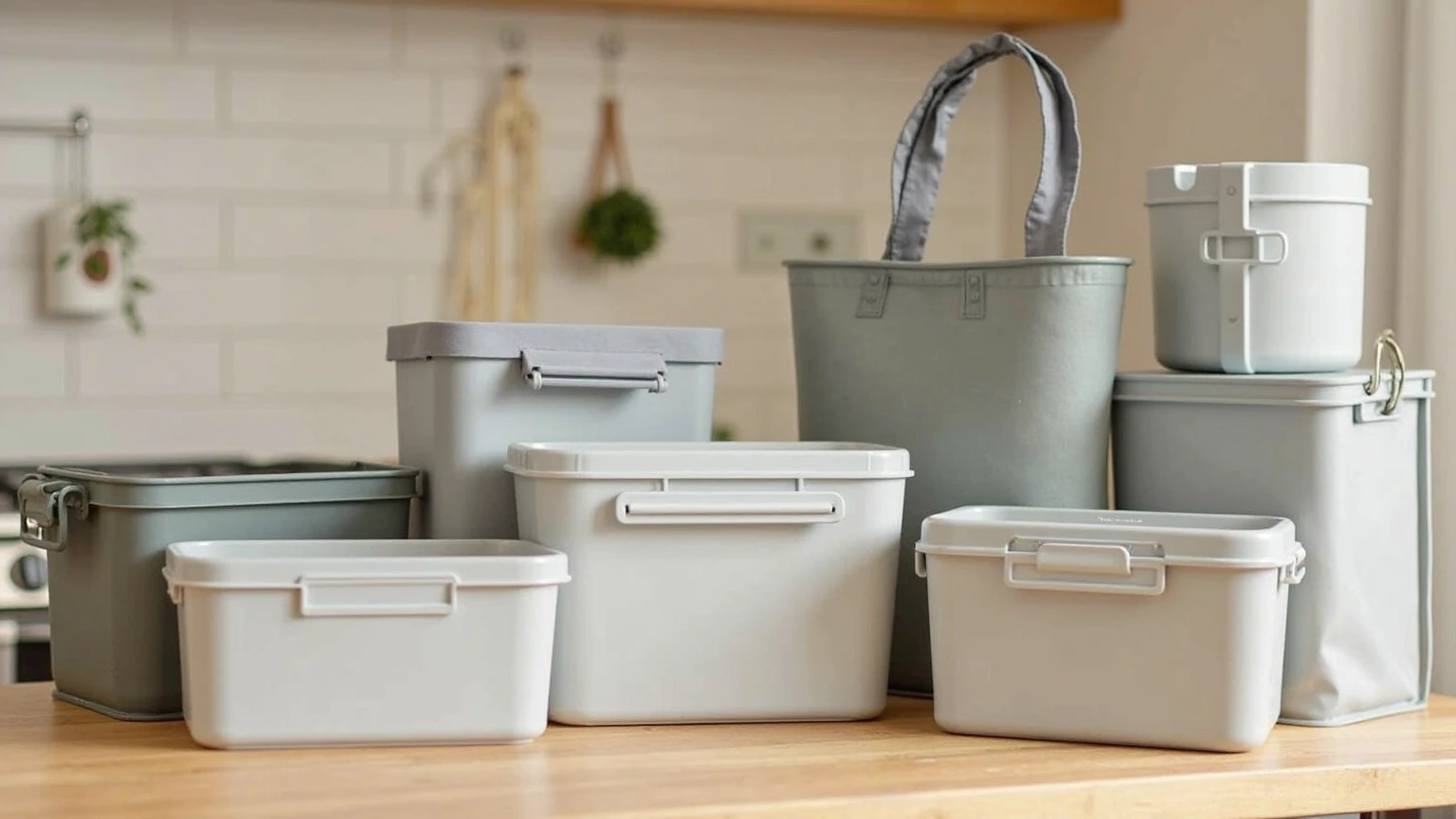
Reusable packaging solutions offer significant advantages, such as cost savings and reduced waste. By investing in packaging that can be used multiple times, businesses lower the need for single-use alternatives, thus mitigating costs associated with frequent purchases and disposal. Additionally, reusable packaging helps cut down on environmental waste, supporting sustainability goals by minimizing the flow of materials into landfills.
Several businesses have successfully implemented reusable packaging to align with their sustainability objectives. For instance, major logistics and food service companies like Tosca and Returnity have adopted reusable systems that significantly lower their environmental impact. These reusable systems, which include pallets and totes made from durable materials, are used repeatedly, exemplifying how industries can reduce waste and conserve resources through innovative strategies. By showcasing these case studies, other businesses can be inspired to incorporate reusable packaging solutions into their operations and advance their sustainability initiatives.
9. Eco-Friendly Tape and Adhesives
Eco-friendly adhesives are gaining traction as businesses seek sustainable packaging solutions. These include water-based and solvent-free adhesives which provide a less toxic alternative to traditional adhesives. Water-based adhesives utilize natural polymers and are free of volatile organic compounds (VOCs), making them safe for both users and the environment. Solvent-free adhesives, on the other hand, eliminate the need for harmful solvents, further reducing environmental impact.
For effective usage of eco-friendly tapes and adhesives, it’s crucial to match the adhesive to the material being sealed. Different materials may require specific adhesive properties to ensure a strong bond. Choosing the right adhesive not only enhances the effectiveness of the seal but also contributes to a successful packaging strategy that aligns with environmental goals. Opting for eco-friendly adhesives can significantly reduce the carbon footprint while meeting industry standards for sustainable practices.

10. The Rise of Smart Packaging
Smart packaging represents a technological leap in the industry, integrating advanced features for enhanced sustainability. Combining active and intelligent functionalities, smart packaging utilizes components like sensors and the Internet of Things (IoT) to improve product safety, tracking, and user interaction. These innovations not only preserve product quality but also align with the growing demand for sustainable solutions.
The sustainability advantages of smart packaging are multifaceted. By reducing product waste through better monitoring and providing precise details for optimal supply chain efficiency, smart packaging plays a pivotal role in minimizing environmental impact. It favors sustainable materials such as biodegradable or recyclable resources, further supporting eco-friendly practices. Smart packaging is instrumental in advancing green initiatives, making it an indispensable tool for companies aiming to achieve environmental goals.
FAQ Section
What is sustainable packaging?
Sustainable packaging refers to packaging solutions that use renewable or recycled materials, aiming to reduce waste and lower carbon emissions to meet environmental responsibilities and consumer demand for eco-friendly options.
Why is sustainable packaging important?
Sustainable packaging is essential because it reduces the environmental footprint of packaging, combats the global waste problem, aligns with consumer expectations and regulatory pressures, and contributes to a circular economy.
What are some examples of biodegradable packaging materials?
Examples include Polylactic Acid (PLA), Polyhydroxyalkanoates (PHA), and paper-based alternatives. These materials can decompose naturally, reducing reliance on non-renewable resources.
How does seaweed packaging benefit the environment?
Seaweed packaging is biodegradable, does not require fertilizers, freshwater, or arable land for cultivation, and can absorb carbon dioxide, thus lowering carbon emissions during production.
What are the advantages of using reusable packaging solutions?
Reusable packaging solutions offer cost savings, reduce waste, and help businesses achieve sustainability goals by minimizing material flow into landfills.





留下评论