
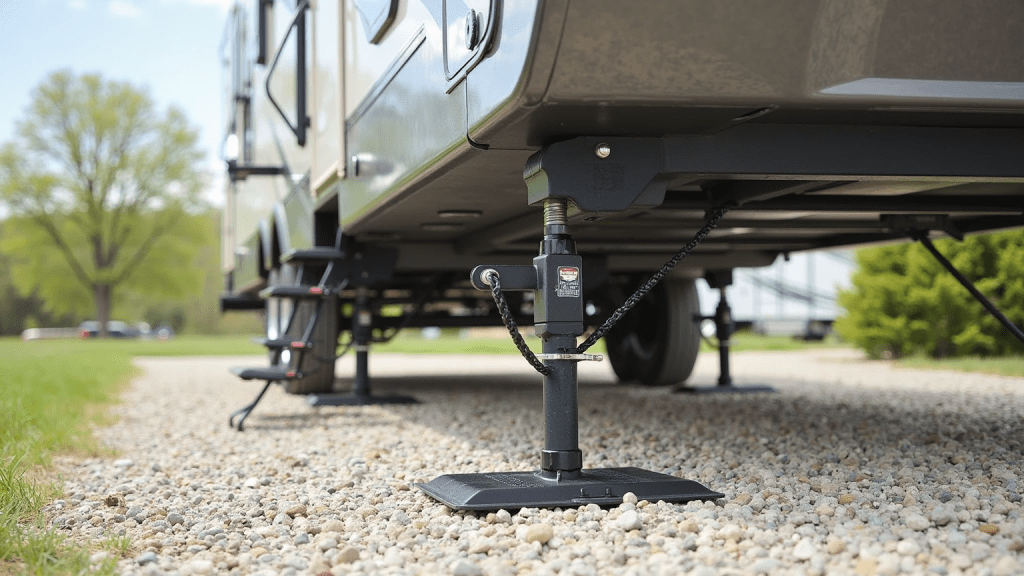
Understanding the Importance of RV Stabilizing Jacks
RV stabilizing jacks are critical components for providing additional support and maintaining stability when a recreational vehicle (RV) is parked. These jacks extend from the RV’s frame to the ground, significantly reducing the movement experienced within the vehicle. While they do not bear heavy loads, stabilizing jacks play a vital role in absorbing the shifting motion as individuals move inside the RV. A properly stabilized RV offers an enhanced living experience, especially for those who prefer a stationary dwelling feel similar to a home.
The benefits of using stabilizing jacks are manifold. They prevent rocking and swaying, which can lead to unease or discomfort for occupants. Enhanced stability ensures a smoother and more comfortable experience while inside the vehicle, particularly in windy conditions or when individuals move around often, such as children playing or someone frequently getting up at night. By minimizing movement, stabilizing jacks contribute significantly to the overall comfort and safety of the RV environment.
Expert opinions highlight the safety risks associated with inadequate stabilization in RVs. For instance, improper stabilization can result in uneven weight distribution, which may lead to potential structural damage over time. Reliable stabilizing systems mitigate these risks, ensuring both safety and longevity for your RV. According to RV maintenance specialists, investing in quality stabilizing jacks is not just about comfort but also about protecting the integrity of your recreational vehicle.
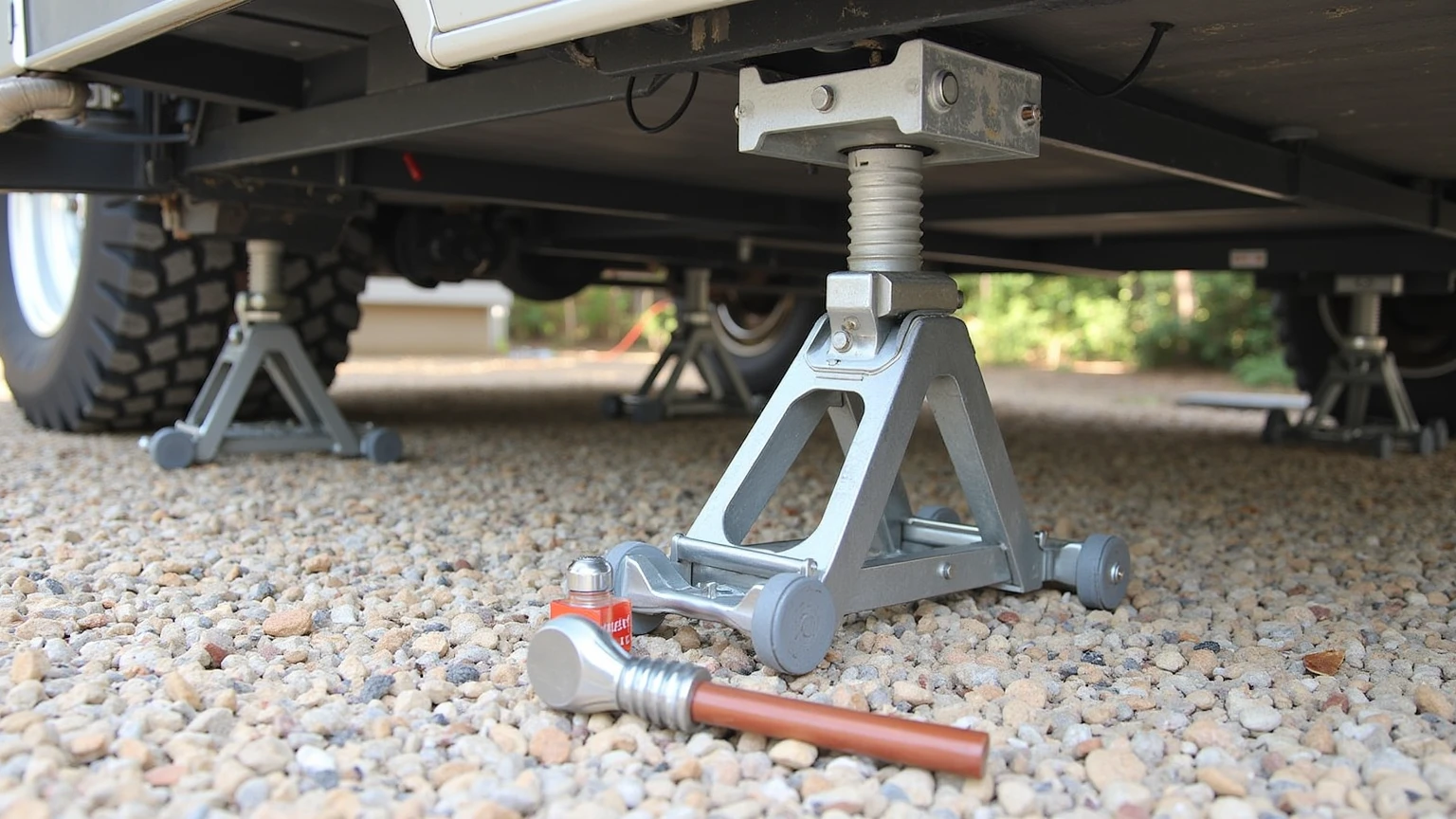
How to Choose the Best Trailer Stabilizing Jacks
Selecting the best trailer stabilizing jacks involves considering several critical factors that ensure stability and ease of use. First, it’s essential to assess the weight capacity of the jacks in relation to your RV’s overall weight. Make sure the jacks can support both the vehicle’s weight and any additional load you might be carrying. Second, confirm the compatibility of the jacks with your RV type, as different models cater to specific vehicle designs. Lastly, consider the jacks’ ease of use; choose ones that are straightforward to install and operate. Keep this checklist in mind when shopping to make an informed decision.
In addition to choosing the right features, it’s important to understand the different types of stabilizing jacks available. Scissor jacks are commonly used due to their versatility and affordability; they are manually operated and provide reliable support. Electric jacks, on the other hand, offer convenience with a quick setup through a push-button mechanism but can be more expensive. Each type has its pros and cons, and the choice depends on your budget and preference for manual or automated systems. By understanding these options, you can select jacks that perfectly fit your RV setup and enhance your camping experience.
Installation and Maintenance of RV Stabilizing Jacks
Installing RV stabilizing jacks can be a straightforward task if approached systematically. To begin, ensure your vehicle is parked on a level surface, and gather all necessary tools such as a wrench and safety gloves. Start the installation by attaching the mounting brackets to the RV frame, making sure they are securely fastened. Next, connect the support arms to the brackets and attach the drive screw, which will control the jack’s extension and retraction. Finally, secure the foot assembly to the ground, ideally on jack pads to prevent sinking, especially on unpaved surfaces. Always refer to your equipment’s manual for specific safety precautions and adjustments tailored to your stabilizer model. Safety is paramount; ensure you use wheel chocks to prevent accidental movement during installation.
Regular maintenance is vital to ensure the longevity of your RV stabilizing jacks. Begin with a visual inspection before and after each trip to check for any signs of wear, such as bent or broken components. Lubrication is essential; apply a suitable grease to the drive screw and pivot points to prevent rust and ensure smooth operation. Store your jacks in a dry, protected area when not in use to maintain their integrity. In addition, consulting the manufacturer’s maintenance guidelines can provide specific advice on prolonging the life of your jacks, ensuring they remain efficient for your travels. By taking these preventative maintenance steps, you can avoid many common operational issues and extend the service life of your RV stabilizing jacks.
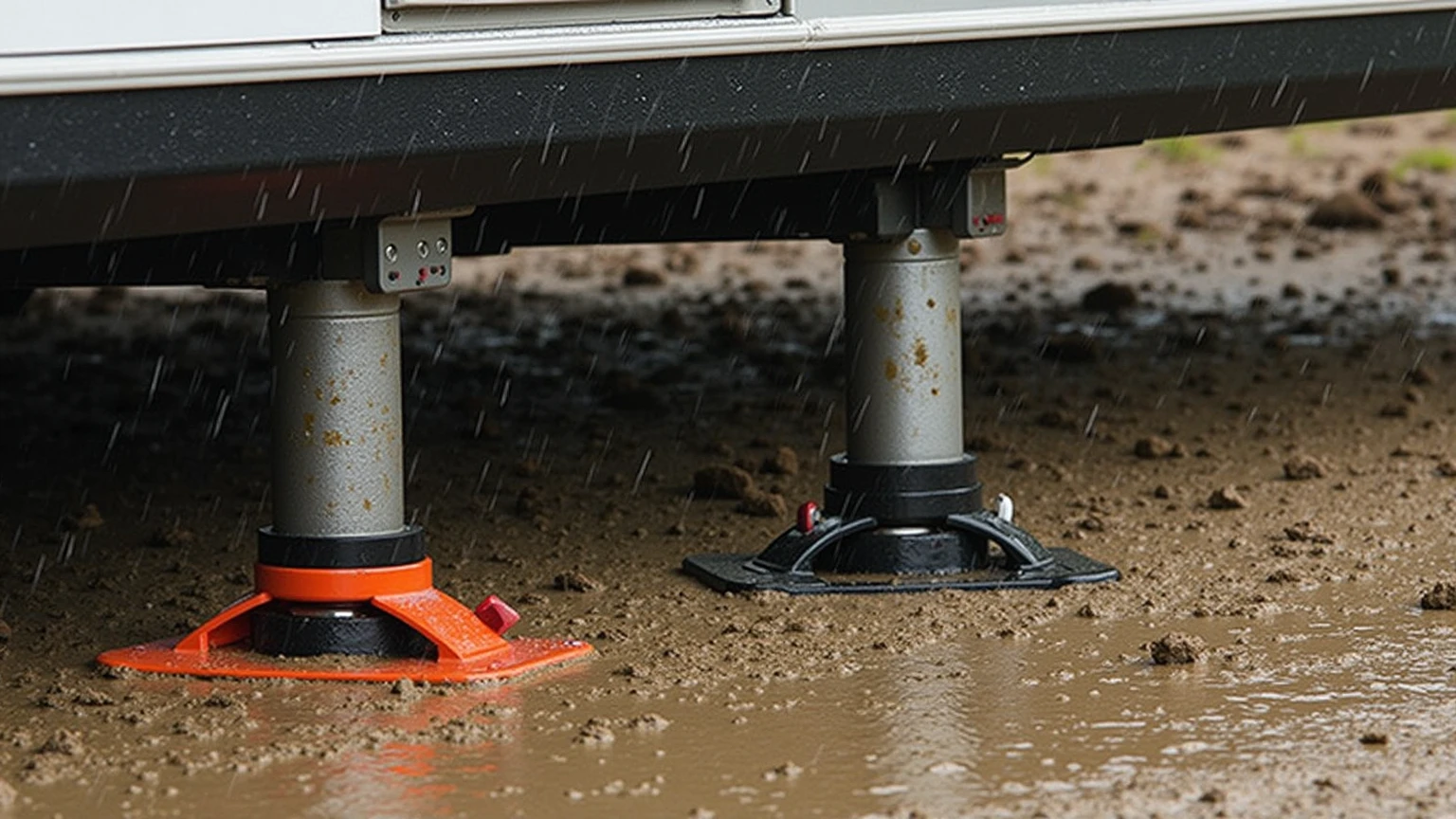
Why You Shouldn’t Ignore RV Stabilizing Jacks
Ignoring the stabilizing jacks in your RV can result in significant issues ranging from minor discomfort to severe accidents. Without proper stabilization, RVs are prone to swaying, leading to increased motion and potential vehicle damage. Statistics reveal that improperly stabilized RVs are involved in numerous accidents each year, emphasizing the importance of these essential tools. Lacking stabilization not only threatens the structural integrity of your RV but also raises the likelihood of personal injuries as instability can lead to accidents, particularly during inclement weather or on uneven ground.
Stabilizing jacks are vital for enhancing the comfort and safety of your RV experience. By ensuring a steady platform, these jacks contribute to an improved sleep environment by reducing unwanted motion, thereby minimizing disturbances during sleep—an aspect appreciated by many RV users. They also help mitigate motion sickness, a common issue among campers due to the natural swaying of an uneven vehicle. As testimonials and expert reviews frequently highlight, using stabilizing jacks significantly enhances the overall camping experience, providing a stable and level environment that promotes comfort and peace of mind.
Frequently Asked Questions About Trailer Stabilizing Jacks
One common question regarding trailer stabilizing jacks is whether they can be used to level an RV. Experienced RV owners and technicians will advise against this misconception. Stabilizing jacks are designed primarily to reduce movement and sway in a parked RV by providing additional support at various points, primarily corners. In contrast, leveling jacks are specifically built to adjust the RV’s height, ensuring it sits evenly on an incline or uneven ground. Thus, relying on stabilizing jacks for leveling can compromise the stability and safety of the RV, leading to potential issues with appliances and structural integrity.
Another frequently asked question is how tightly stabilizing jacks should be adjusted. Proper tension is crucial to avoid potential damage to both the jacks and the RV frame. Experts recommend applying enough pressure to minimize internal movement without over-tightening, as excessive force can stress the jack’s components and the RV infrastructure. Observational data suggest that jacks should be firmly in contact with the ground but not forcefully cranked beyond what is necessary to stabilize the RV. For best practices, consult the manufacturer’s guidelines and consider insights from veteran campers who often share practical tips on safely setting up their rigs.





留下评论