
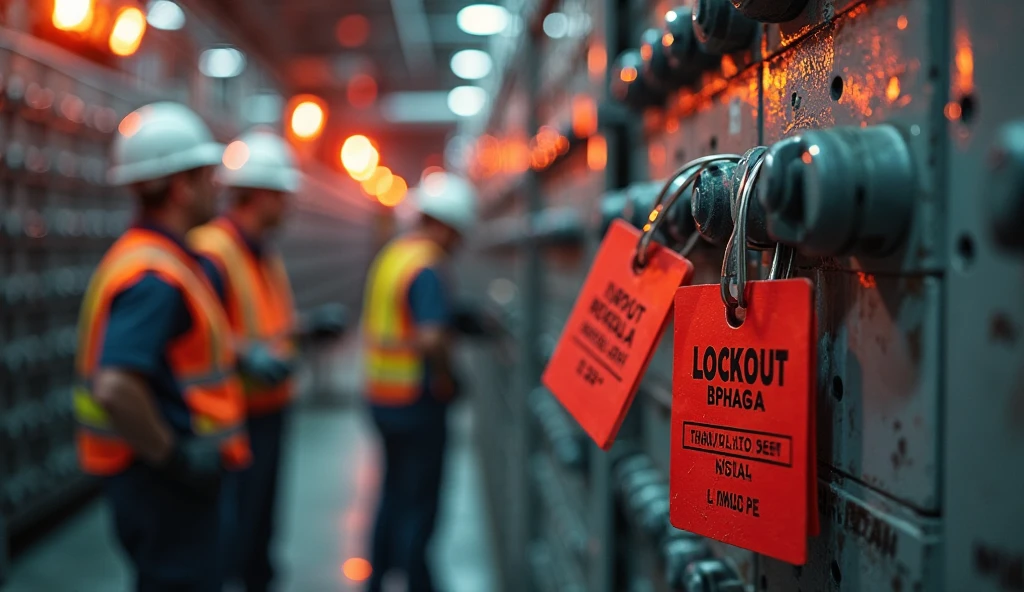
Understanding Breaker Lockout Procedures
Breaker lockout is a crucial safety procedure designed to prevent the accidental energizing of machinery during maintenance or servicing. This procedure involves securing circuit breakers in an off position, ensuring that no electrical energy can flow to the machinery being maintained. Such a proactive measure is essential for preventing unexpected activations, which could lead to severe accidents. By effectively implementing breaker lockout procedures, businesses can safeguard their workers and maintain a safe working environment.
The significance of breaker lockout procedures in protecting workers from electrical injuries or fatalities cannot be overstated. According to the Occupational Safety and Health Administration (OSHA), inadequate lockout/tagout procedures contribute to roughly 10% of serious accidents in several industries, highlighting their importance. Implementing stringent lockout measures can prevent accidents, ensuring compliance with safety regulations and reducing fatal injury risks. Effective lockout procedures are crucial for establishing a secure environment conducive to productivity and worker welfare.
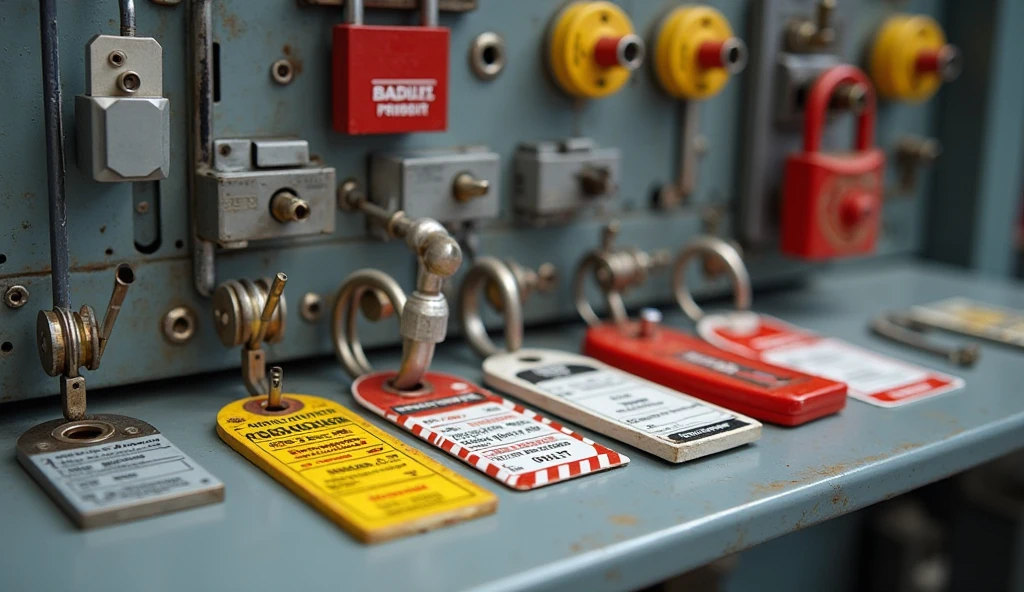
Steps for Effective Breaker Lockout Procedures
Implementing effective breaker lockout procedures begins with meticulous planning. During the planning phase, it is crucial to identify all potential energy sources, as failure to do so could result in unsafe conditions. This phase involves informing all stakeholders about the upcoming lockout and ensuring they understand their roles in the procedure. Typically, the planning steps include:
- Identifying the type and magnitude of energy that will be controlled.
- Communicating with affected employees about the procedures.
- Gathering all necessary lockout devices and ensuring they are compatible with the equipment being serviced.
Once the planning phase is complete, the lockout procedures can be implemented. This involves a systematic step-by-step process to ensure that equipment is properly locked out. Essential steps include:
- Shutting down the equipment properly.
- Isolating the energy sources by locking them out using appropriate devices.
- Securing lockout devices with safety locks to prevent accidental activation.
Verification of the lockout status is a critical step to ensure safety during maintenance. It is essential to test the equipment to confirm that it is entirely de-energized before beginning any work. This may include attempting to start the equipment while observing for any signs of power retention, which helps prevent electrical injuries by ensuring the equipment cannot be activated unintentionally.
Common Mistakes in Breaker Lockout Procedures
One prevalent mistake in breaker lockout procedures is neglecting proper communication among team members, leading to potentially serious accidents. A recent report highlighted that 70% of lockout-related accidents could have been prevented with better communication channels among the involved parties. Ensuring that every team member understands the lockout process and the roles they play is crucial to maintaining a safe work environment.
Inadequate training for personnel is another critical error that can have dire consequences. Without thorough training, employees may not fully understand how to implement lockout procedures correctly, thereby increasing the risk of accidents. This underscores the need for ongoing training programs and certifications to keep team members updated on the latest safety protocols and industry standards.
Moreover, failing to document lockout procedures can cause significant confusion and errors during maintenance activities. Without clear documentation, missteps can occur, leading to safety breaches and operational delays. It is vital to maintain meticulous records of all lockout procedures, ensuring that every step is clear and easy to follow. Documenting these procedures not only streamlines maintenance tasks but also reinforces safety across the board.
Legal Regulations Involving Breaker Lockout Procedures
Understanding legal regulations surrounding breaker lockout procedures is crucial for ensuring workplace safety. The Occupational Safety and Health Administration (OSHA) has specific guidelines designed to protect workers from hazardous energy release during service or maintenance activities. These guidelines are encapsulated in the OSHA standard 29 CFR 1910.147, also known as the “Control of Hazardous Energy (Lockout/Tagout)” standard. This regulation mandates that all energy sources be properly locked out to prevent accidental start-up, ensuring personnel safety.
Employers must comply with these regulations to avoid legal repercussions and penalties. Non-compliance can lead to substantial fines, legal liabilities, and increased risk of workplace accidents. According to OSHA, failure to adhere to proper lockout/tagout procedures can result in severe legal implications, especially if it leads to an accident. Moreover, maintaining compliance safeguards employees’ well-being, enhances operational safety, and instills a culture of responsibility within the organization. Compliance not only mitigates risks but also fosters a workplace environment committed to safety and legal adherence.
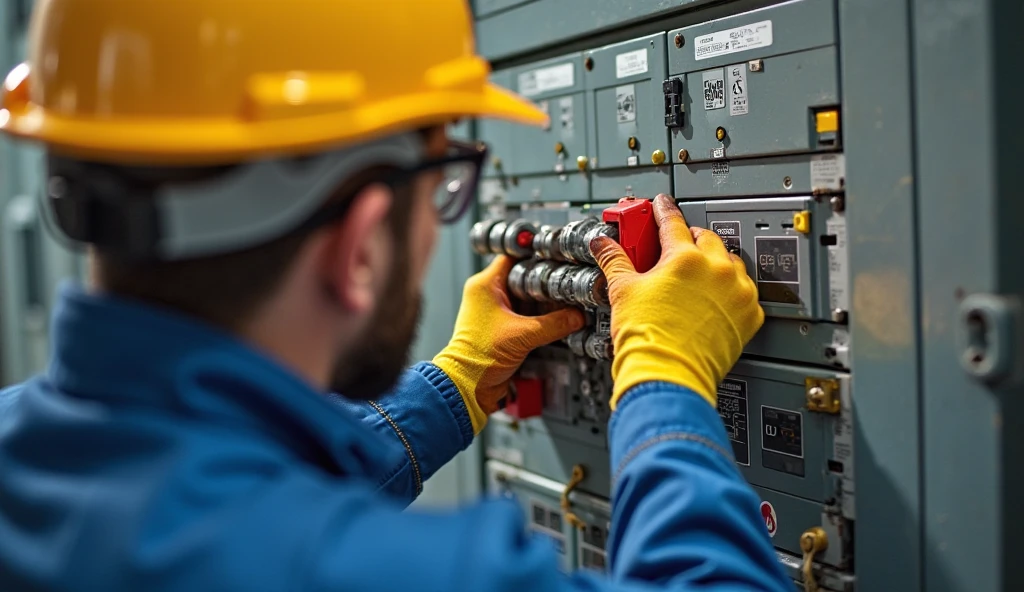
Best Practices for Safe Breaker Lockout during Maintenance
Regular training refreshers are essential to ensure employees stay updated with the latest safety protocols involved in breaker lockout during maintenance. Consistent training helps instill a proactive safety mindset and minimizes the risk of accidents. Training sessions should cover the latest industry developments, common mistakes, and practical demonstrations, ensuring that the workforce comprehensively understands how to implement these protocols safely.
The effective use of lockout devices and tags is crucial for maintaining safety during maintenance activities. Best practices involve selecting appropriate devices tailored to specific equipment needs and ensuring they are correctly applied and removed. It’s essential to use devices such as padlocks and tags that can clearly display the name and nature of the lockout, which helps prevent unintentional activation of machinery. Moreover, utilizing standardized color-coded systems can enhance visibility and compliance.
Developing a workplace safety culture that prioritizes safety and compliance is fundamental. Encouraging open communication about safety procedures and recognizing employees who adhere to protocols can foster an environment where safety is ingrained in every task. Regular meetings and feedback sessions can help address any safety concerns, encouraging a culture where all employees feel responsible for maintaining a secure maintenance environment. Moreover, involving employees in safety planning can further enhance engagement and compliance.
FAQ Section
What is the purpose of a breaker lockout procedure?
The purpose of a breaker lockout procedure is to prevent the accidental energization of machines during maintenance, ensuring a safe working environment and preventing accidents.
Why is verification of lockout status important?
Verification of lockout status ensures that equipment is completely de-energized before maintenance starts, which helps prevent electrical injuries and accidents.
How can communication errors impact lockout procedures?
Communication errors in lockout procedures can lead to serious accidents as team members might not be aware of the lockout process or their roles, increasing the risk of unexpected energization of machinery.
What are the legal consequences of not following breaker lockout procedures?
Failure to comply with breaker lockout procedures can result in substantial fines, legal liabilities, and increased risk of workplace accidents, especially if it leads to injury.





留下评论