

What is Steel Strapping?
Steel strapping refers to a robust steel banding material primarily used for packaging and securing materials across various settings. Its strength and durability make it an ideal choice in industries such as construction, shipping, and manufacturing. These sectors rely on steel strapping to safely transport heavy items, secure loads, and bundle materials efficiently. For instance, in the shipping industry, steel strapping is used to hold heavy loads like lumber or metal together during transit, thus preventing any shifting that could result in damage.
Different types of steel strapping, such as cold-rolled, hot-dipped galvanized, and painted options, serve various needs and environments. Cold-rolled steel strapping is known for its high tensile strength and is commonly employed in settings where maximum durability is essential. Hot-dipped galvanized steel strapping is coated with zinc to prevent rust, making it suitable for outdoor applications. Painted steel strapping not only offers additional corrosion resistance but is also used where appearance is a consideration. These variations ensure that steel strapping meets diverse industrial requirements.
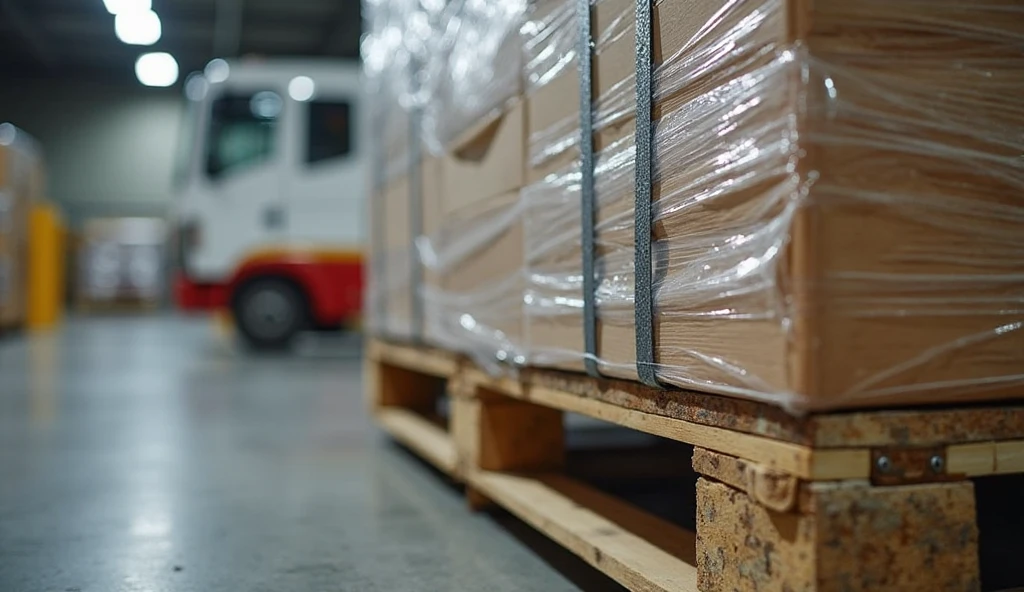
Key Features of Steel Strapping
Steel strapping is renowned for its durability and impressive tensile strength, which makes it an ideal choice for securing heavy loads. This strength allows it to handle substantial weight without breaking or stretching, providing reliable security for various applications. Its robust nature is primarily due to the high-quality steel materials used, such as low-carbon cold-rolled steel, which ensures top-notch coating and edge-conditioning. The tensile strength makes it particularly valuable in industries like shipping and manufacturing, where securing heavy equipment and large shipments is essential.
A significant advantage of steel strapping is its resistance to harsh environmental conditions, which enhances its longevity. It withstands moisture, temperature fluctuations, and UV exposure, allowing it to perform effectively in outdoor and challenging environments without degrading. For instance, painted and waxed coatings are often applied to steel strapping to further protect against rust and corrosion, particularly when exposed to rain or snow. This makes it suitable for long-term use in a variety of weather conditions, ensuring that goods remain secure regardless of the climate.
The versatility of steel strapping extends its utility across multiple applications, ranging from palletizing goods to bundling steel and lumber. This adaptability is vital for industries that require reliable and efficient packaging solutions. For example, it is widely used in the construction industry to secure large bundles of materials and in logistics for stabilizing pallets during transportation. Its ability to conform to different loads and shapes makes it an indispensable tool in both commercial and industrial settings, ensuring that products remain intact during handling and transit.
Choosing the Right Steel Strapping for Your Needs
Choosing the right steel strapping for your needs involves several critical factors. First, consider the dimensions, thickness, and load capacity of the strapping. The appropriate selection can significantly influence its effectiveness in securing goods. For example, heavier loads require thicker and wider strapping to ensure stability during transportation or storage. It’s also essential to take into account the specific requirements of your industry.
Industry-specific needs are paramount when selecting steel strapping. Whether you are in logistics, construction, or manufacturing, each sector may have distinct demands. In logistics, for instance, the strapping must handle varying cargo types and weights, making compatibility with different materials crucial. Likewise, in construction and manufacturing sectors, durability and tolerance to environmental factors like temperature and moisture become indispensable. Identifying these unique needs helps in choosing the right type to enhance safety and efficiency in your operations.
Best Practices for Using Steel Strapping
To effectively use steel strapping, it’s crucial to follow best practices for applying tension and sealing processes. Ensuring proper tensioning is vital, as it tightens the strap around the load, securing it effectively. Combo tools that integrate tensioning and sealing can be particularly useful. After tensioning, a sealer is used to lock the strap and maintain load stability during transport. This step is pivotal in industries requiring robust packaging, such as manufacturing and logistics.
Safety precautions are equally important when handling steel strapping. Wearing protective gear, such as gloves and safety goggles, is essential to prevent injuries. It’s also important to ensure that the strapping is not too tight, as excessive tension can lead to snapping or cuts. Adhering to these safety measures not only protects the user but also ensures the integrity of the packaging, minimizing risks during handling and shipping.
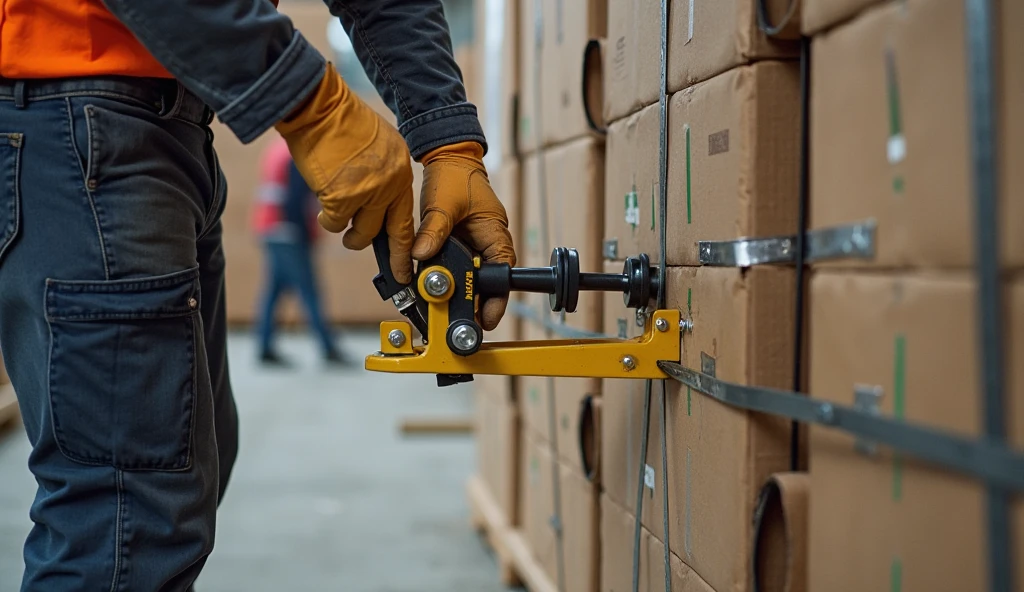
Important Tools for Steel Strapping
Steel strapping tensioners play a crucial role in applying the appropriate tension to the strapping, ensuring that packages are securely fastened. There are several types available, including manual, pneumatic, and battery-operated tensioners, each offering different levels of efficiency and ease of use. Manual tensioners are cost-effective but require more physical effort, whereas pneumatic and battery-operated ones provide faster and more consistent tensioning.
Steel strapping sealers are essential in creating secure joints and preventing slippage. These tools seal the strapping by crimping a metal seal around the ends, binding them tightly. This process ensures the packages remain intact during transit. Sealers come in various designs, such as manual, pneumatic, and combination tools, each catering to different needs and budget considerations.
Steel strapping cutters are indispensable for safely and efficiently cutting straps to the desired length. They prevent injuries by ensuring clean cuts without frayed edges. High-quality cutters reduce the risk of damaging the packaged goods and are an essential part of maintaining an organized and safe workspace.
Where to Buy Steel Strapping
Finding reliable suppliers and distributors is essential when purchasing steel strapping products. Trustworthy sources like Quantum Industrial Supply, known for their high-quality offerings, are ideal choices for businesses prioritizing durability and safety. In addition to local suppliers, online platforms can provide a range of options, often at competitive prices.
When deciding between online and local purchases, consider several factors. Online platforms might offer better pricing due to lower overhead costs; however, delivery times could vary. In contrast, local stores may expedite the procurement process with immediate availability but often at a slightly higher cost. Comparing these aspects can help make informed decisions tailored to specific needs and timelines.
FAQ
What are the main types of steel strapping available?
Steel strapping comes in various types, including cold-rolled, hot-dipped galvanized, and painted options, each serving specific needs depending on strength and environment requirements.
Why is steel strapping preferred for heavy loads?
The high tensile strength and durability of steel strapping make it ideal for securing heavy loads without the risk of breaking or stretching.
How do environmental conditions affect steel strapping?
Steel strapping is resistant to moisture, temperature changes, and UV exposure, which makes it suitable for outdoor use and diverse weather conditions.
What are the essential tools needed when using steel strapping?
Tensioners, sealers, and cutters are crucial tools for efficiently applying and securing steel strapping around packages.
Where can I purchase steel strapping?
Steel strapping can be bought from reliable suppliers like Quantum Industrial Supply or through online platforms that offer competitive pricing and various options.





留下评论