

Understanding Drum Heaters
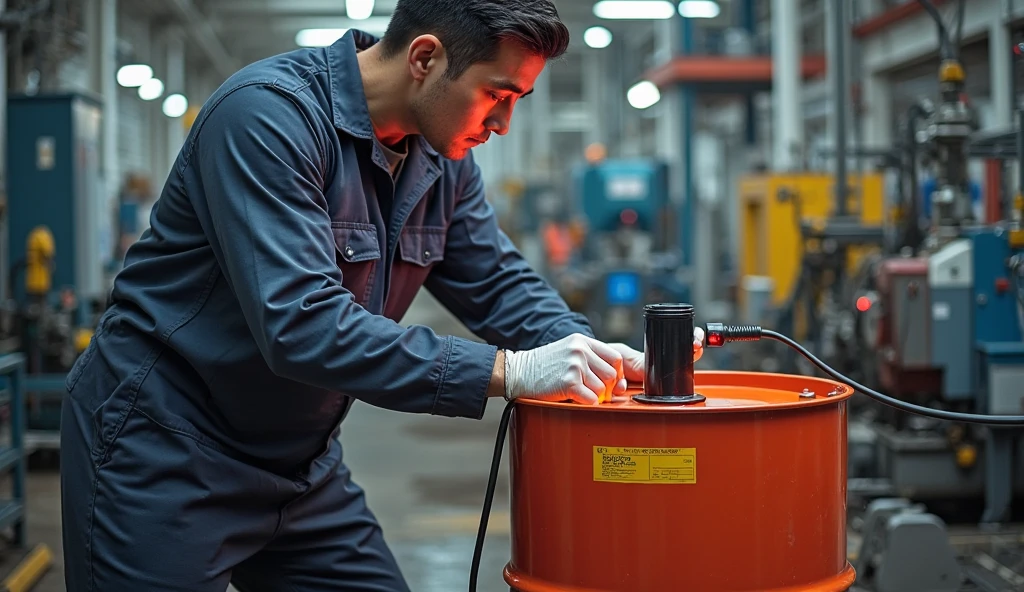
Drum heaters are essential industrial equipment designed to maintain optimal temperatures in drums containing liquids or viscous materials. They are crucial in industries like chemicals, food processing, and pharmaceuticals, where temperature control ensures product integrity. Drum heaters prevent materials from solidifying or degrading, ensuring smooth operations and consistent product quality.
Key benefits of drum heaters include:
- Temperature Control: Ensures materials remain at the desired consistency for processing or storage.
- Versatility: Suitable for various drum sizes and materials, including steel and plastic.
- Efficiency: Provides uniform heat distribution, reducing energy consumption and operational costs.
Whether you’re managing a chemical plant or a food processing facility, drum heaters are indispensable for maintaining product quality and operational efficiency.
Types of Drum Heaters
Silicone Band Drum Heaters
Silicone band drum heaters are a popular choice for industrial applications due to their flexibility and efficiency. These heaters wrap around the drum, ensuring even heat distribution across the surface.
- Flexibility and Durability: Made from silicone, they are highly durable and adaptable to standard drum sizes.
- Energy Efficiency: Their low thermal mass and excellent thermal transfer properties make them energy-efficient.
- Ideal Applications: Perfect for reducing the viscosity of oils, greases, and soaps in non-hazardous environments.
Base Drum Heaters
Base drum heaters are designed to heat drums from the bottom, making them compact and effective for localized heating.
- Robust Design: Constructed with a 2mm steel platen and high-density insulation for durability.
- Efficient Heating: Delivers 900 watts of power, ideal for melting frozen materials or liquefying solids.
- Common Uses: Suitable for tough industrial environments where direct bottom heating is required.
Full Coverage Drum Heaters
Full coverage drum heaters envelop the entire drum, providing uniform heating across all surfaces.
- Insulated Design: Bonded heating elements ensure gentle and efficient heat distribution.
- Versatility: Compatible with both plastic and steel drums, even in cold or outdoor environments.
- Applications: Ideal for high-precision industries requiring consistent temperature control.
Induction Drum Heaters
Induction drum heaters use electromagnetic fields to generate heat directly within the drum wall.
- Non-Contact Heating: Eliminates the need for heating elements, making them safer and cooler to operate.
- Energy Efficiency: Generates heat uniformly, reducing energy consumption.
- Hazardous Environments: Suitable for Class 1, Div 1, and Div 2 locations due to their encapsulated design.
Hazardous Locations / Explosion-Proof
Explosion-proof drum heaters are specifically designed for hazardous environments with flammable materials.
- Safety Mechanisms: Robust design prevents ignition risks, ensuring reliable performance.
- Certifications: Complies with BASEEFA and ATEX standards for hazardous area heating.
- Applications: Ideal for industries requiring safe and efficient heating in high-risk areas.
Each type of drum heater offers unique benefits tailored to specific industrial needs, ensuring optimal temperature control and safety.
Key Features to Consider in Drum Heaters
Heating Efficiency
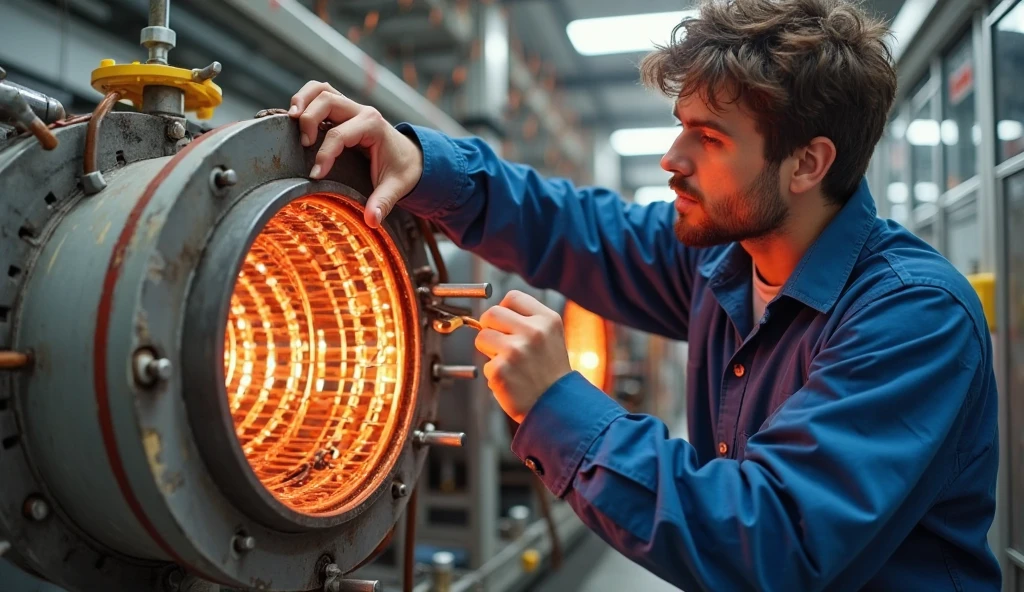
Efficient drum heaters are essential for reducing energy consumption while maintaining optimal temperatures. Look for models equipped with advanced insulation and precise temperature control mechanisms. Energy-efficient heaters not only lower operational costs but also minimize environmental impact, making them a sustainable choice for industrial applications.
Safety Mechanisms
Safety is a top priority when selecting drum heaters. Features like overheat protection and automatic shutoff prevent accidents and ensure safe operation. For hazardous environments, explosion-proof models are a must, as they are designed to comply with strict industry safety certifications, providing reliable performance in high-risk areas.
Durability and Build Quality
Durability is crucial for drum heaters used in demanding industrial conditions. High-quality materials such as silicone and stainless steel ensure long-lasting performance and resistance to wear and tear. Investing in robust models reduces maintenance needs and avoids frequent replacements, minimizing downtime and costs.
Ease of Use
User-friendly drum heaters enhance convenience and efficiency in industrial settings. Features like adjustable straps, simple controls, and portable designs make installation and operation straightforward. Clear instructions and minimal setup requirements further ensure that the heater can be used effectively with minimal training.
Benefits of Using Quality Drum Heaters
Energy Savings
High-efficiency drum heaters are designed to reduce energy consumption, which directly translates to lower utility bills. These heaters often come with advanced insulation and precise temperature controls, ensuring minimal heat loss. By investing in quality drum heaters, businesses can achieve long-term cost savings while maintaining optimal operational efficiency.
Enhanced Product Quality
Consistent temperature control is crucial for preventing material degradation, which in turn ensures product integrity. Quality drum heaters provide uniform heating, which is particularly beneficial for viscous or sensitive materials. This reliability is essential for industries that require high-precision processes, as it helps maintain the quality of the final product.
Safety Advantages
Safety is a paramount concern in industrial settings, and quality drum heaters are equipped with features like explosion-proof designs and overheat protection to minimize workplace hazards. Compliance with safety standards ensures reliable performance, even in high-risk environments. By using these heaters, businesses can significantly reduce the risk of accidents, thereby protecting both workers and equipment.
Choosing the Best Drum Heater for Industrial Use
Understand Your Needs
Selecting the right drum heater starts with a thorough assessment of your industrial requirements.
- Material and Drum Size: Identify the type of material you’re heating and the size of the drum to ensure compatibility.
- Temperature Range: Determine the specific temperature range needed to maintain material consistency or prevent freezing.
- Environmental Factors: Consider whether the heater will be used in hazardous conditions or outdoors, as this influences the type of heater you should choose.
By aligning the heater with your operational needs, you can ensure optimal performance and efficiency.
Prioritize Safety
Safety is a critical factor when choosing a drum heater for industrial applications.
- Safety Certifications: Ensure the heater complies with industry-specific safety standards, such as Class I Zones 1 and 2 certifications for hazardous environments.
- Explosion-Proof Features: Look for heaters with explosion-proof designs and overheat protection to minimize risks in high-risk settings.
- Accident Prevention: Prioritizing safety not only protects workers but also ensures compliance with regulatory requirements.
Investing in a heater with robust safety features is essential for maintaining a secure workplace.
Look for Efficiency
Efficiency is key to reducing operational costs and enhancing sustainability.
- Energy-Efficient Models: Opt for heaters with advanced insulation and precise temperature control to minimize energy consumption.
- Performance Enhancement: Efficient heaters ensure uniform heating, which improves material quality and reduces waste.
- Environmental Impact: Choosing energy-efficient models contributes to lower carbon emissions and supports sustainable industrial practices.
By focusing on efficiency, you can achieve long-term cost savings and operational excellence.
Maintaining Your Drum Heater for Longevity
Routine Cleaning and Checks
Regular maintenance is essential to keep your drum heater functioning efficiently and to extend its lifespan. Here’s how to ensure optimal performance:
- Inspect and Clean Regularly: Dust and debris can accumulate over time, reducing the heater’s efficiency. Clean the surface and internal components periodically to prevent buildup.
- Check for Wear and Tear: Examine the heater for any signs of damage, such as frayed cords or cracked insulation. Replace damaged parts immediately to avoid further issues.
- Perform Routine Maintenance: Follow the manufacturer’s maintenance schedule to ensure the heater operates at peak performance. This includes checking connections, verifying temperature controls, and ensuring safety features are functional.
By incorporating these practices, you can prevent unexpected breakdowns and keep your drum heater in top condition.
Safe Operating Practices
Proper handling and usage are critical to maintaining the safety and longevity of your drum heater. Follow these guidelines to minimize risks:
- Adhere to Manufacturer Guidelines: Always operate the heater according to the instructions provided by the manufacturer. This includes recommended temperature settings and usage conditions.
- Avoid Overloading: Do not exceed the heater’s capacity or use it in environments it’s not designed for, such as highly corrosive or explosive areas.
- Ensure Proper Handling: Train staff on safe operating procedures to reduce the risk of accidents. This includes proper installation, monitoring during use, and shutting down the heater correctly after use.
Implementing these safe operating practices not only protects your equipment but also ensures a safer working environment for your team.
FAQ Section
What is a drum heater used for?
Drum heaters are used to maintain optimal temperatures in drums containing liquids or viscous materials, ensuring that they do not solidify or degrade. They are widely used in industries such as chemicals, food processing, and pharmaceuticals.
What should I consider when selecting a drum heater?
When selecting a drum heater, consider factors such as material compatibility, drum size, the temperature range required, and environmental conditions where the heater will be used.
Are drum heaters energy efficient?
Yes, many drum heaters are designed with energy efficiency in mind. They often feature advanced insulation and precise temperature controls to minimize energy consumption and lower operational costs.
What safety features should I look for in a drum heater?
Look for drum heaters with overheat protection, automatic shutoff, and, if used in hazardous environments, explosion-proof designs that comply with industry safety certifications.
How do you maintain a drum heater?
Maintain a drum heater by performing routine cleaning and checks, inspecting for wear and tear, adhering to manufacturer guidelines, avoiding overloading, and training staff on safe operating procedures.




留下评论