
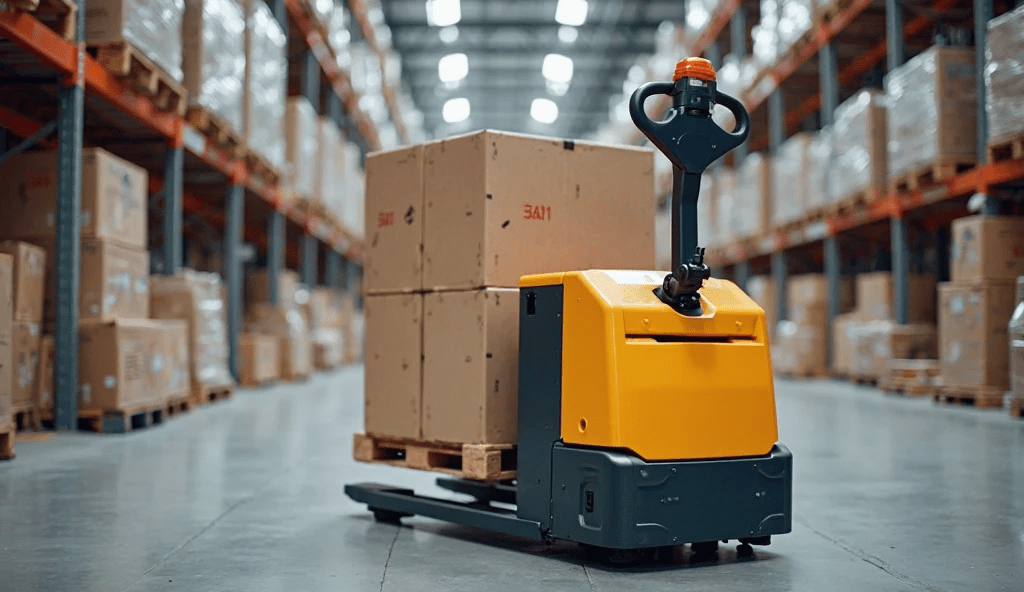
Understanding Pallet Lifters: An Overview of Types
Pallet lifters, also known as pallet jacks or pallet trucks, are essential tools in material handling, designed to lift and transport heavy pallets with minimal effort. These devices play a critical role in warehouses, manufacturing facilities, and logistics operations, where efficient movement of goods is paramount. By reducing physical strain on workers and speeding up operations, pallet lifters enhance productivity and safety across various industries.
The importance of pallet lifters is evident in their widespread use. According to industry reports, the global pallet jack market is projected to grow at a compound annual growth rate (CAGR) of 5.5% from 2024 to 2028, driven by increasing demand in e-commerce and retail sectors. Their versatility makes them indispensable in environments ranging from small workshops to large distribution centers.
There are several types of pallet lifters available, each suited to specific tasks and environments:
- Manual Pallet Lifters: These are the most basic and cost-effective option, powered by hydraulic pumps operated manually. Ideal for light to medium loads (up to 5,500 lbs), they are perfect for short-distance movements in smaller facilities.
- Electric Pallet Lifters: Battery-powered and equipped with electric assist, these lifters are designed for heavier loads (up to 6,000 lbs) and longer distances. They are commonly used in larger warehouses and loading docks.
- Ride-On Pallet Lifters: These advanced models allow operators to ride on the lifter, making them suitable for moving heavy loads over long distances quickly. With load capacities of up to 8,000 lbs, they are ideal for high-velocity facilities.
Choosing the right pallet lifter depends on factors such as load capacity, lift height, and operational environment. By understanding the different types and their applications, businesses can optimize their material handling processes and improve overall efficiency.

Manual vs. Electric Pallet Lifters: Key Differences
Advantages of Manual Pallet Lifters
Manual pallet lifters are a cost-effective solution for businesses with smaller operations or limited budgets. They are simple to operate and require minimal maintenance, making them a reliable choice for handling lighter loads. Here are some key advantages:
- Cost-Effectiveness: Manual pallet lifters are generally more affordable than their electric counterparts, making them ideal for businesses looking to minimize upfront costs.
- Simplicity and Reliability: With no need for batteries or complex machinery, manual models are straightforward to use and less prone to technical issues.
- Suitability for Smaller Operations: These lifters are perfect for small warehouses or businesses that don’t require frequent or heavy lifting, offering a practical solution for short-distance material handling.
Benefits of Electric Pallet Lifters
Electric pallet lifters are designed for efficiency and reduced physical strain, making them a preferred choice for larger operations. They offer several benefits that enhance productivity and reduce long-term costs:
- Enhanced Efficiency: Electric models can handle heavier loads and move faster than manual lifters, significantly improving workflow efficiency.
- Reduced Physical Strain: Operators experience less fatigue thanks to the electric assist, which eliminates the need for manual pumping.
- Long-Term Cost Savings: While the initial investment is higher, electric pallet lifters often result in lower maintenance costs and increased productivity, providing a better return on investment over time.
Whether you choose manual or electric pallet lifters depends on your specific operational needs and budget. Both options offer unique advantages that can optimize your material handling processes.
Best Pallet Lifters: A Comparison of Popular Types
Manual Pallet Jacks: Costs and Benefits
Manual pallet jacks are a cost-effective solution for businesses looking to streamline material handling without a significant investment. Here’s a breakdown of their benefits and ideal use cases:
- Cost Comparison: Manual pallet jacks are significantly cheaper than electric models, making them an excellent choice for small businesses or operations with limited budgets.
- Durability and Ease of Use: These jacks are built to last, with simple mechanics that require minimal maintenance. Their straightforward design ensures reliability in daily operations.
- Ideal Scenarios: Manual pallet jacks are most effective in smaller warehouses, retail environments, or operations where pallet movement is infrequent or short-distance.
Electric Walkie Pallet Jacks: Enhanced Efficiency
Electric walkie pallet jacks are designed to boost productivity and reduce physical strain in medium to large warehouses. Here’s why they stand out:
- Operational Efficiency: These jacks automate the movement of pallets, reducing the time and effort required compared to manual models. They are ideal for operations with high pallet turnover.
- Features for Larger Warehouses: With higher load capacities and faster speeds, electric walkie pallet jacks are perfect for medium to large-scale operations. They also come with safety features like automatic braking and speed control.
- Ergonomic Benefits: By eliminating the need for manual pumping, these jacks reduce operator fatigue, leading to increased productivity and fewer workplace injuries.
Ride-On Pallet Lifters: Comfort Meets Productivity
Ride-on pallet lifters combine comfort with high productivity, making them a top choice for large-scale operations. Here’s what makes them stand out:
- Comfort and Productivity: Operators can ride these lifters, reducing fatigue and allowing for longer shifts. This feature is particularly beneficial in large warehouses with extensive travel distances.
- Suitability for Large Operations: Ride-on models are designed for high-capacity loads and are ideal for large-scale operations where efficiency is critical.
- Advanced Features: These lifters often come with adjustable speed settings, enhanced maneuverability, and safety features like tilt sensors, ensuring smooth and safe operation.
Whether you’re managing a small warehouse or a large distribution center, choosing the right pallet lifter can significantly impact your operational efficiency and cost-effectiveness.
How to Choose the Best Pallet Lifter for Your Business
Consider Your Load Capacity Needs
Matching the pallet lifter’s capacity with your business needs is crucial for efficient and safe operations. Start by assessing the maximum weight of the loads you typically handle, ensuring the lifter’s capacity exceeds this figure. Overloading a pallet lifter can lead to equipment failure and safety hazards, while underutilizing it may result in unnecessary costs. For example, if your warehouse frequently moves loads up to 5,000 lbs, opt for a lifter with a capacity of at least 6,000 lbs to accommodate occasional heavier shipments.
Evaluate Your Operational Space
The size and layout of your operational space significantly influence the choice of a pallet lifter. Measure the width of your aisles and the turning radius required to ensure the lifter can maneuver effectively. In tight spaces, compact models like manual pallet jacks are ideal, while larger facilities may benefit from electric or ride-on models. Additionally, consider the height of your storage racks to ensure the lifter can safely reach and retrieve items. Space constraints can also impact the choice between manual and electric models, with the latter offering better maneuverability in expansive warehouses.
Assess Your Budget and Ownership Costs
When selecting a pallet lifter, consider the total cost of ownership, which includes the purchase price, maintenance, and operational costs. Manual pallet jacks are generally more affordable upfront but may require more physical labor, while electric models, though pricier, offer long-term savings through increased efficiency and reduced labor costs. For instance, electric walkie pallet jacks can handle heavier loads with less effort, making them a worthwhile investment for medium to large warehouses. Evaluating the potential return on investment for higher-end models can help you make a cost-effective decision that aligns with your business goals.
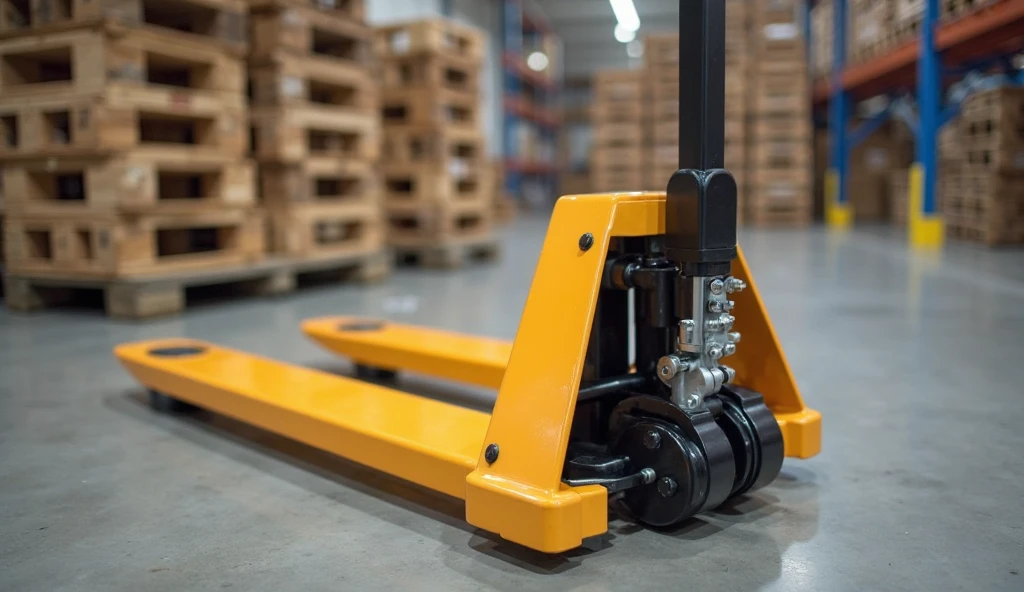
Key Features to Look For in a Pallet Lifter
Durability and Build Quality
Durability and build quality are critical factors when selecting the best pallet lifter for your business. High-quality materials, such as reinforced steel and durable hydraulic systems, ensure the equipment can withstand heavy loads and frequent use without compromising performance. Premium models often feature corrosion-resistant coatings and robust construction, which significantly extend the lifespan of the pallet lifter. Investing in a durable pallet lifter not only reduces maintenance costs but also minimizes downtime caused by equipment failure, ensuring consistent productivity in your operations.
Ease of Use and Ergonomics
Ergonomic design is essential for reducing operator fatigue and enhancing productivity in pallet lifter operations. Features like adjustable handles, intuitive controls, and user-friendly interfaces make it easier for operators to maneuver the equipment efficiently. For example, some models include cushioned grips and low-effort hydraulic pumps, which reduce physical strain during prolonged use. Additionally, a well-designed pallet lifter requires minimal training, allowing new operators to quickly adapt and contribute to your workflow. Prioritizing ease of use ensures a safer and more efficient working environment.
Safety Features and Compliance
Safety is paramount when operating pallet lifters, and selecting a model with advanced safety features is crucial. Look for features such as automatic braking systems, overload protection, and anti-slip platforms to prevent accidents and injuries. Compliance with industry safety standards, such as OSHA regulations, ensures the equipment meets rigorous safety requirements. These features not only protect your workforce but also reduce liability risks and potential downtime caused by workplace incidents. Investing in a safety-compliant pallet lifter is a proactive step toward maintaining a secure and productive workplace.
Real-Life Applications: Industries Utilizing Pallet Lifters
Warehousing and Distribution
Pallet lifters are indispensable in warehousing and distribution centers, where they streamline the movement of goods. These tools are used for tasks such as loading and unloading pallets, transporting inventory across large facilities, and organizing stock in storage areas. By enhancing the efficiency of these operations, pallet lifters significantly improve inventory management and expedite order fulfillment processes. Their ability to handle heavy loads with minimal effort makes them a cornerstone of modern logistics.
Manufacturing and Assembly Lines
In manufacturing environments, pallet lifters play a crucial role in optimizing production workflows. They are used to transport raw materials to assembly lines, move finished products to storage, and ensure a seamless flow of goods throughout the facility. By reducing manual labor and minimizing downtime, pallet lifters enhance productivity and allow workers to focus on more complex tasks. For example, in automotive manufacturing, pallet lifters are often employed to move heavy components like engines and transmissions.
Retail Environments
Retailers benefit greatly from the use of pallet lifters for efficient stock management. These tools simplify the process of restocking shelves, organizing backroom inventory, and managing large deliveries. In big-box stores, pallet lifters enable staff to quickly move bulk items from storage areas to the sales floor, ensuring products are always available for customers. Their ergonomic design also reduces the physical strain on employees, making them a valuable asset in high-volume retail settings.
The Future of Pallet Lifters: Innovations on the Horizon
Advancements in Electric Pallet Lifters
Electric pallet lifters are undergoing significant technological advancements, making them more efficient and cost-effective. The integration of advanced AI and 3D vision systems, as seen in the MiR1200 Pallet Jack, allows for precise pallet detection and handling, reducing cycle times and improving accuracy. These innovations are expected to lower operational costs and enhance productivity across various industries, setting a new standard for material handling equipment.
Smart Technology Integration in Material Handling
The integration of smart technology into pallet lifters is revolutionizing material handling. IoT-enabled pallet lifters, such as the MiR1200, leverage real-time data processing and sensor fusion to navigate dynamic environments safely and efficiently. This technology not only improves operational efficiency but also enhances safety by detecting obstacles and optimizing routes. The potential for increased automation and smarter workflows is immense, paving the way for more advanced material handling solutions.
Sustainability in Pallet Lifting Equipment
Sustainability is becoming a key focus in the design of pallet lifters. Manufacturers are adopting eco-friendly practices, such as using energy-efficient components and recyclable materials, to reduce the environmental impact of their products. Innovations like the MiR1200’s efficient battery system and reduced energy consumption are setting the stage for eco-friendly pallet lifters to become the industry standard, aligning with global sustainability goals.
Frequently Asked Questions (FAQs)
What is the difference between manual and electric pallet lifters?
Manual pallet lifters are operated by manual hydraulic pumps and are best suited for light to medium loads, while electric pallet lifters are battery-powered, designed for heavier loads and longer distances, reducing physical strain.
How do I determine the right pallet lifter for my business?
Consider factors like load capacity, operational space, and budget when choosing a pallet lifter. Ensure the lifter’s capacity matches your typical load weight, and assess whether you have the space for maneuverability or need compact models.
What safety features should I look for in a pallet lifter?
Look for safety features like automatic braking, overload protection, and anti-slip platforms. Ensure compliance with industry safety standards such as OSHA regulations for enhanced safety and reduced liability risks.
Why are electric pallet lifters more expensive upfront than manual ones?
Electric pallet lifters require more advanced technology and components, such as batteries and motors, which contribute to a higher initial cost. However, they often offer long-term savings through increased efficiency and reduced labor costs.





留下评论