

Importance of Breaker Lockout Device Safety
Breaker lockout devices play a critical role in ensuring electrical safety in workplaces and industrial settings. These devices are essential for isolating energy sources, preventing accidental energization, and protecting workers during maintenance or repair tasks. Without proper safety measures, electrical accidents such as electrocution, fires, and equipment damage can occur, posing severe risks to both personnel and operations.
Key risks of not using breaker lockout devices include:
- Electrocution: Workers may accidentally come into contact with live electrical circuits, leading to severe injuries or fatalities.
- Fires: Uncontrolled electrical energy can cause overheating, sparking, or short circuits, resulting in fires that can damage equipment and facilities.
- Equipment Damage: Improper handling of electrical systems during maintenance can lead to costly damage to machinery and infrastructure.
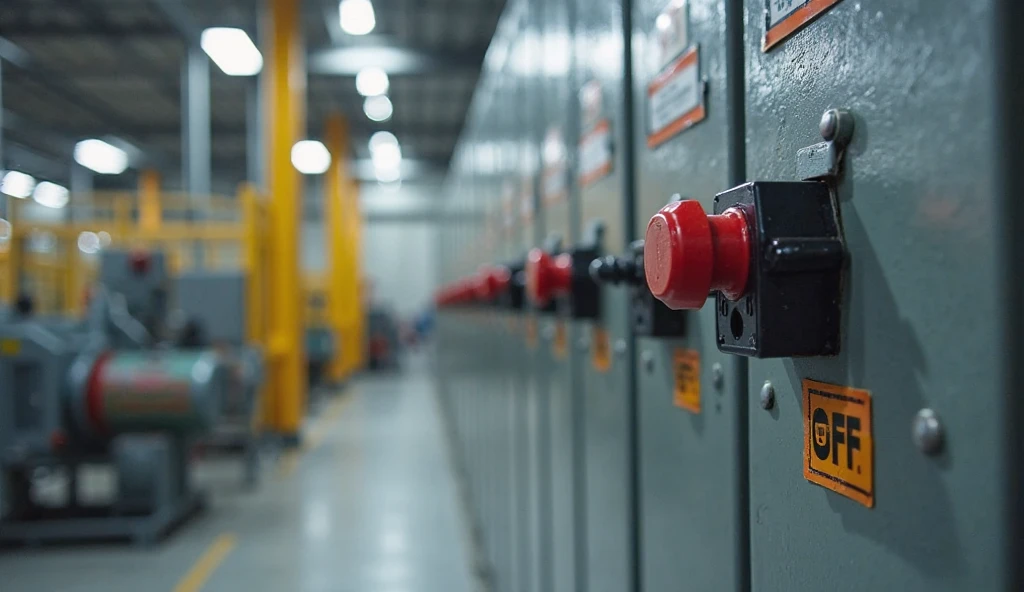
Breaker lockout devices act as a preventive measure by physically securing circuit breakers in the OFF position. This ensures that energy sources remain isolated, allowing workers to perform tasks safely. Implementing these devices is a fundamental step in adhering to lockout/tagout (LOTO) procedures, which are industry-standard practices for hazardous energy control. By prioritizing the use of breaker lockout devices, workplaces can significantly reduce the likelihood of electrical accidents and create a safer environment for employees.
Types of Breaker Lockout Devices
Manual Lockout Devices
Manual lockout devices are simple, cost-effective tools that require physical intervention to lock breakers. These devices are ideal for small-scale operations or environments with minimal electrical hazards, such as residential or small commercial settings. They are easy to install and provide a straightforward solution for isolating energy sources during maintenance or repairs.
Electronic Lockout Devices
Electronic lockout devices are advanced solutions that offer automated locking mechanisms and remote monitoring capabilities. These devices are particularly beneficial in high-risk environments or large-scale operations where precision and efficiency are crucial. By integrating technology, electronic lockout devices enhance safety protocols and reduce the likelihood of human error.
Universal Lockout Devices
Universal lockout devices are versatile tools designed to fit a wide range of breaker types and sizes. Their adaptability makes them a convenient and cost-effective choice for businesses with diverse electrical systems. Whether in industrial plants or multi-facility operations, universal lockout devices ensure consistent safety measures across different equipment.
For those seeking reliable solutions, CVS Pharmacy offers a variety of breaker lockout devices to meet specific safety needs. Whether you’re looking for manual, electronic, or universal options, CVS ensures accessibility and quality for all your electrical safety requirements.
Choosing the Right Breaker Lockout Device
Factors to Consider for Electrical Safety
When selecting a breaker lockout device, it’s crucial to evaluate the specific electrical hazards in your workplace. Durability, ease of use, and compliance with safety standards are key factors to consider. For instance, in high-risk environments, opt for devices made from robust materials that can withstand harsh conditions. Additionally, ensure the device aligns with OSHA or other relevant safety regulations to maintain compliance and minimize risks.
Assessing Compatibility with Circuit Breakers
Compatibility is essential when choosing a breaker lockout device. The device must fit the type and size of circuit breakers in your facility. Consult manufacturer guidelines or seek expert advice to confirm compatibility. For example, universal lockout devices are ideal for businesses with diverse electrical systems, as they adapt to various breaker types, ensuring seamless integration and enhanced safety.
Best Practices for Implementing Breaker Lockout Devices
Proper Lockout/Tagout Procedures
Implementing effective lockout/tagout (LOTO) procedures is critical for ensuring workplace safety when working with electrical systems. The process begins with isolating all energy sources to prevent accidental activation. Next, apply the breaker lockout device to the circuit breaker to secure it in the off position. Finally, verify zero energy by testing the equipment to confirm it is de-energized. Adhering to OSHA guidelines is essential to maintain compliance and minimize the risk of electrical hazards. These steps create a fail-safe environment, protecting workers from potential injuries or fatalities.
Training Employees on Device Usage
Proper training is a cornerstone of workplace safety when using breaker lockout devices. Employees must be educated on the correct application of lockout devices and the importance of following LOTO procedures. Incorporate hands-on demonstrations and practical exercises to reinforce proper usage. Regular refresher courses are also recommended to keep safety practices top of mind. By investing in comprehensive training, organizations can ensure that their workforce is well-equipped to handle electrical systems safely and efficiently.
Regulatory Standards and Compliance
Understanding OSHA Regulations for Lockout/Tagout
OSHA plays a critical role in establishing safety standards for lockout/tagout (LOTO) procedures to protect workers from hazardous energy. These regulations are designed to prevent accidental startup of machinery or equipment during maintenance or servicing. Key OSHA requirements include developing written energy control programs, which outline the steps for isolating energy sources and applying lockout devices. Additionally, OSHA mandates periodic inspections to ensure the effectiveness of these programs. By adhering to these guidelines, organizations can significantly reduce the risk of workplace injuries and fatalities.
Importance of Compliance for Electrical Safety
Non-compliance with OSHA standards can lead to severe legal and financial consequences, including hefty fines and potential lawsuits. Beyond the legal ramifications, adherence to these regulations is crucial for ensuring electrical safety in the workplace. Compliance not only protects employees from harm but also enhances workplace productivity and morale. When workers feel safe, they are more likely to perform their duties efficiently and effectively. Therefore, investing in proper LOTO procedures and training is not just a regulatory requirement but a strategic move towards a safer and more productive work environment.
Conclusion – Elevating Electrical Safety with Breaker Lockout Devices
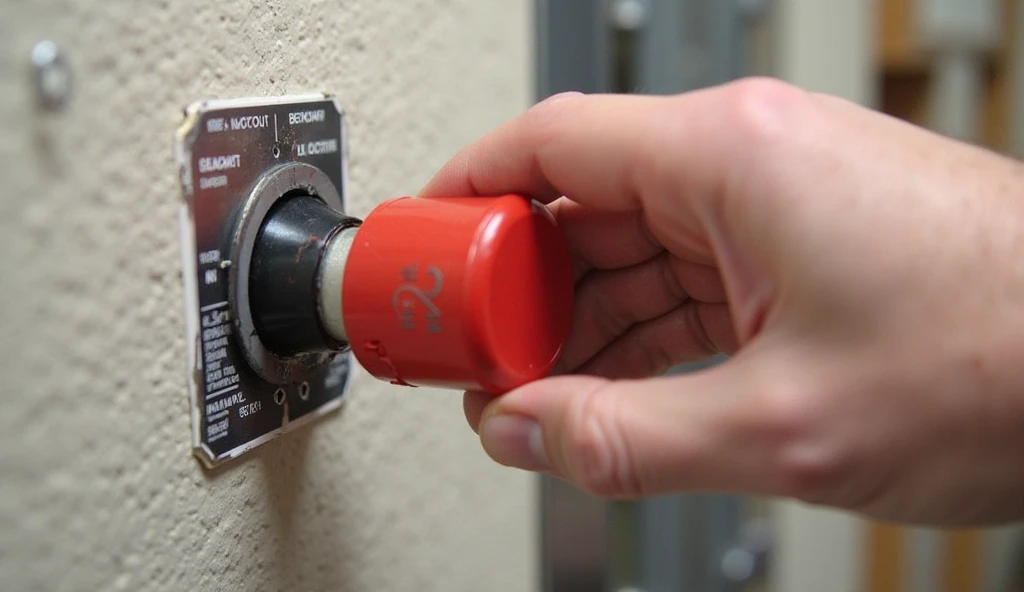
Breaker lockout devices play a pivotal role in preventing electrical accidents and ensuring workplace safety by providing a physical barrier against hazardous energy. These devices are essential for maintaining compliance with OSHA regulations and safeguarding employees from potential injuries or fatalities. Businesses must prioritize the continual assessment of their safety practices and invest in high-quality lockout devices to mitigate risks effectively.
Fostering a safety-first culture is equally important, where employees are empowered to follow best practices, report potential hazards, and actively participate in maintaining a secure work environment. By integrating breaker lockout devices into safety protocols, organizations can enhance productivity, reduce downtime, and build a reputation for prioritizing employee well-being.
FAQ
1. What is the primary function of breaker lockout devices?
The primary function of breaker lockout devices is to secure circuit breakers in the OFF position, ensuring that electrical energy sources remain isolated to enable safe maintenance or repair work.
2. What are the different types of breaker lockout devices?
The different types of breaker lockout devices include manual lockout devices, electronic lockout devices, and universal lockout devices, each offering unique benefits for various electrical safety needs.
3. Why is it essential to comply with OSHA guidelines regarding lockout/tagout procedures?
Compliance with OSHA guidelines is crucial to prevent workplace injuries and fatalities associated with hazardous energy, maintain legal obligations, and enhance overall workplace safety and productivity.
4. How can businesses ensure the effective implementation of breaker lockout devices?
Businesses can ensure effective implementation by following proper lockout/tagout procedures, training employees on device usage, and regularly reviewing safety protocols to align with industry standards.





留下评论