

What is a Drum Heater?
A drum heater is a specialized device designed to facilitate the heating of materials stored within drums or barrels. These heaters work by employing various methods, including direct heating, indirect heating, and the use of heating elements, to achieve and maintain the desired temperature. The versatility of drum heaters makes them essential in industries like food processing, chemical processing, and pharmaceuticals, where maintaining the consistency and integrity of materials is critical.
Drum heaters come in several major types, each suitable for specific applications and environments. Electric drum heaters are commonly used for their ease of installation and efficient heat transfer. Silicone drum heaters, known for their flexibility, are ideal for plastic drums, providing even heating without risking damage to the drum material. Heating jackets, on the other hand, are versatile in their use, offering consistent temperature regulation for various drum sizes and materials. These types of drum heaters highlight the diversity in functionality and application, catering to specific industrial needs while ensuring safety and efficiency.
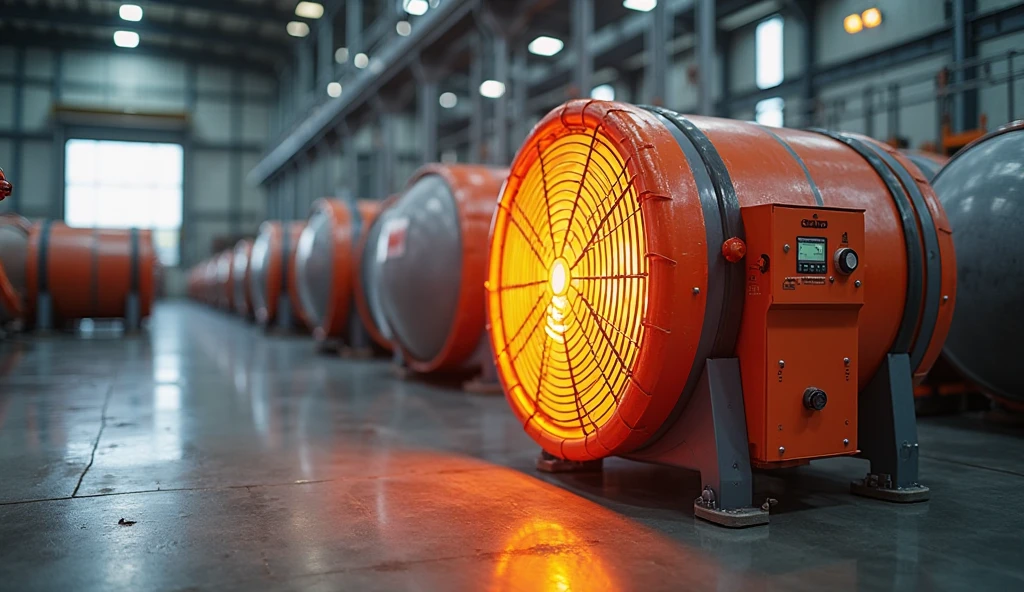
Advantages of Drum Heaters
Drum heaters offer significant advantages, particularly with temperature control precision. This precision ensures that materials are consistently heated to exact temperatures, which is critical in maintaining product quality and reducing waste. For instance, precise temperature control can lead to a reduction in wastage by up to 30% in sensitive formulations used in pharmaceuticals. This precision helps in adhering to strict industry standards and maintaining the integrity of the materials stored within the drums.
Another key benefit of drum heaters is their energy efficiency. Many modern drum heaters are designed to consume minimal power while still providing robust and reliable heating solutions. In fact, studies have shown that using these energy-efficient heaters can reduce energy consumption by up to 25%, leading to substantial cost savings over time. These savings are essential for industries that require constant heating, such as food processing and chemical manufacturing, where continuous operation is crucial.
The versatility of drum heaters is evident across various industrial applications. These heaters are employed in diverse sectors ranging from food processing to chemical manufacturing. For example, in the oil and gas industry, drum heaters prevent the freezing of materials, ensuring smooth operations even in harsh weather conditions. Their adaptability to various drum sizes and contents makes them indispensable in applications where versatility and consistency are required. This diversity in functionality underscores why drum heaters are a preferred choice for industries relying on precise and efficient heating solutions.
Key Features of Drum Heaters
Drum heaters are known for incorporating thermostatic controls that enable automatic temperature adjustments based on set parameters. This feature is crucial as it ensures consistent performance and enhances user satisfaction by maintaining the desired temperature without manual interventions. By automatically adjusting the heat, thermostatic controls ensure even distribution, vital for preserving the quality of temperature-sensitive materials.
Safety mechanisms in drum heaters, such as overheat prevention and automatic shutoff, are critical features that protect both the equipment and its contents. These mechanisms align with industry safety standards, like those set by CE and CSA, highlighting their significance in preventing potential hazards. By integrating such mechanisms, drum heaters ensure a safe operating environment, especially when handling hazardous materials.
Durability and build quality are essential for drum heaters, particularly when operating in harsh industrial settings. High-quality materials such as silicone and metals are often used in constructing these heaters, enhancing their longevity and reliability. These materials are engineered to withstand the rigorous demands of industrial use, ensuring that the drum heaters provide consistently effective results over extended periods. By investing in well-built heaters, industries can rely on their durable performance even under challenging conditions.
These features illustrate why drum heaters are indispensable in various settings, proving invaluable for maintaining temperature consistency and safety in industrial applications.
Applications of Drum Heaters
Drum heaters play a significant role in the food processing industry by maintaining the temperature of sauces, chocolate, and other temperature-sensitive products. This is vital to ensure both quality and safety, as consistent heat helps prevent spoilage and maintain the desired texture and flavor. By eliminating hot and cold spots, drum heaters guarantee that food products are always at their optimal state, enhancing the overall production process.
In the chemical and pharmaceutical sectors, drum heaters are indispensable for keeping raw materials at optimal temperatures during both production and storage. This temperature regulation is crucial for maintaining product efficacy, as many chemicals require a specific temperature range to remain stable and effective. By providing a consistent and controlled heating environment, drum heaters help ensure that these crucial materials meet the necessary quality standards throughout their lifecycle.
The oil and gas industry also benefits significantly from the use of drum heaters. These devices are essential for heating viscous liquids and maintaining the flow of crude oil in pipelines. By ensuring that these substances remain at an operational temperature, drum heaters enhance both safety and efficiency in the extraction and transportation processes. This is particularly important in colder climates, where low temperatures can lead to increased viscosity and potential blockages in pipelines. The adoption of drum heaters mitigates these risks, contributing to smoother operations.
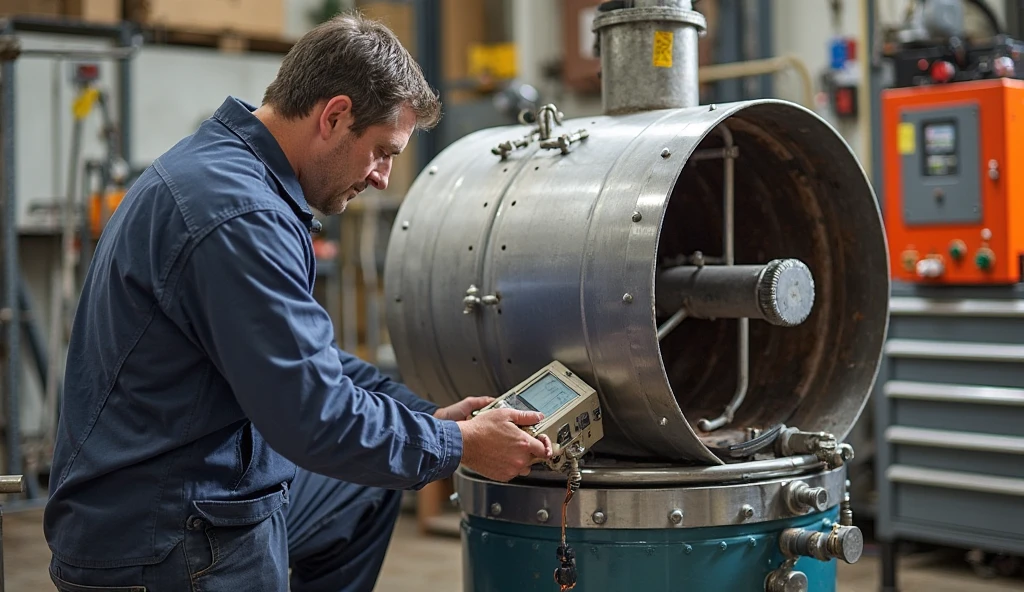
Choosing the Best Heaters for Drums
Selecting the right drum heater requires careful consideration of several key factors to ensure effectiveness and safety. Begin by evaluating the heating method, as different heaters are designed for various applications such as jackets, bands, and blankets designed to harmonize with the material being heated. Next, check for material compatibility to prevent chemical reactions or damage. Finally, assess specific application needs, like temperature consistency and safety features. Here’s a simplified checklist to guide your selection process:
1. Identify the type of drum heater needed (e.g. jacket, band, blanket).
2. Ensure material compatibility with the drum’s contents.
3. Evaluate specific application requirements, such as temperature precision and control features.
Installing and maintaining drum heaters correctly is essential for maximizing their performance and longevity. Start by ensuring proper installation, such as secure fitting and avoidance of obstacles that could obstruct heat distribution. Regular maintenance checks are crucial in spotting wear and tear early; this includes routine cleaning and inspecting for any damage. Adopting best practices like storing heaters in dry, safe conditions when not in use can dramatically extend their lifespan. Avoid common pitfalls such as neglecting routine checks, which can lead to inefficiencies or damages.
FAQ
What types of drum heaters are available?
There are several types of drum heaters, including electric drum heaters, silicone drum heaters, and heating jackets, each designed for different applications and drum materials.
Why is precise temperature control important in drum heaters?
Precise temperature control is essential in maintaining product quality and reducing waste. It ensures materials are consistently heated to exact temperatures, crucial for sensitive formulations, especially in industries like pharmaceuticals.
How do drum heaters contribute to energy efficiency?
Modern drum heaters are designed to consume minimal power while still delivering effective heating. This efficiency can lead to a reduction in energy consumption by up to 25%, offering substantial cost savings.
What safety features are commonly included in drum heaters?
Drum heaters typically include safety mechanisms like overheat prevention and automatic shutoff to ensure safe operation and protect both the equipment and its contents.




留下评论