
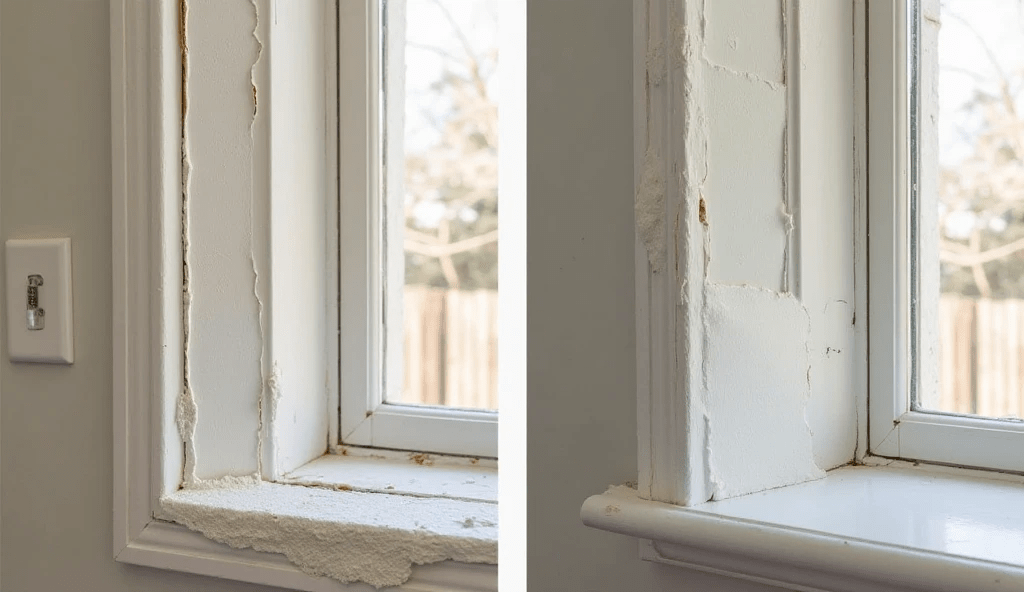
What is Foam Strip Weatherproofing?
Foam strip weatherproofing is an efficient method used to seal gaps and cracks around doors and windows, helping to prevent air and moisture infiltration. By blocking these gaps, foam strips significantly enhance the energy efficiency of a building. They reduce heat loss in the winter months and keep cool air inside during the summer, thus contributing to a more stable indoor environment. Moreover, energy savings from reduced heating and cooling demands can lead to lower utility bills.
Typically made from materials like polyurethane or polyethylene, foam strips are renowned for their durability and insulation properties. These materials ensure that the strips can withstand the wear and tear of constant use, while also providing effective insulation. As a result, foam strip weatherproofing is a practical solution for maintaining energy efficiency and comfort in both residential and commercial properties.
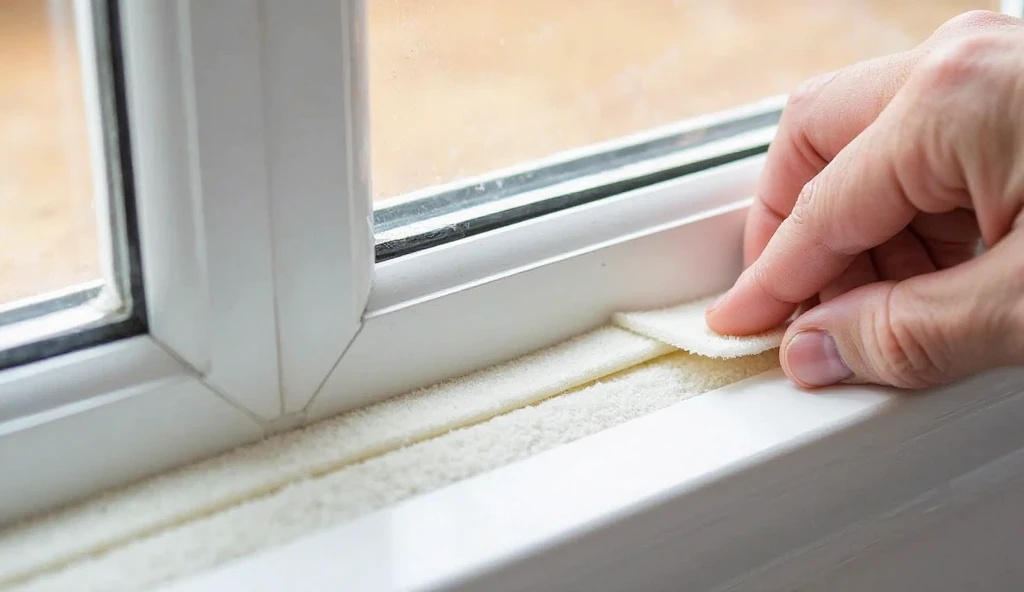
Types of Foam Strips for Insulation
Adhesive Foam Gasket Tape
Adhesive foam gasket tape is prized for its self-adhesive properties, which make it easy to apply without the need for additional glue. This type of insulation is versatile, being available in various thicknesses, which allows it to effectively seal gaps of different sizes. It is particularly suitable for use around windows and door frames, where achieving a snug fit is essential for maximizing insulation and preventing air leaks. With its capacity to enhance energy efficiency, it is an ideal choice for both residential and commercial applications.
Paper Foam Gaskets
Paper foam gaskets are composed of compressed foam with a durable paper layer, designed to provide ease of application while offering reliable thermal insulation. Their flexibility in being easily cut to size makes them ideal for a range of uses, especially in environments with older doors and windows where conventional gasketing might not suffice. These gaskets ensure that air drafts and energy losses are minimized by fitting precisely where needed, thus improving the overall comfort and efficiency of interiors.
Styrofoam and Polystyrene Foam Boards
Styrofoam and polystyrene foam boards serve as rigid insulation solutions flexible enough for numerous construction scenarios. Known for their excellent insulative properties, these boards not only help in maintaining energy efficiency but also act as vapor barriers when installed correctly. Widely used in residential and commercial properties, these foam boards contribute significantly to reducing energy consumption by providing robust thermal protection. They are esteemed for their durability and capability to improve the energy profile of buildings effectively.
Benefits of Using Foam Strips for Weatherproofing
Energy Efficiency and Cost Savings
Foam strips play a crucial role in enhancing energy efficiency by effectively sealing off drafts, which can result in a reduction of heating and cooling costs by up to 20%. By preventing air leaks, these strips minimize the burden on HVAC systems, contributing to longer equipment life and potential maintenance cost reductions. Studies have shown that the investment in weatherproofing can yield visible returns within months through significantly reduced energy bills.
Improved Indoor Comfort
By minimizing air leaks, foam strips help maintain consistent indoor temperatures, thereby enhancing comfort levels throughout the year. They also act as a barrier against noise infiltration from outside, creating a quieter and more peaceful indoor environment. This benefit is particularly advantageous in urban areas where exterior noise can be a significant issue, contributing to better living conditions.
Easy Installation and Maintenance
Foam strips are designed for user-friendly installation, often requiring no professional help or tools beyond basic ones like scissors. Installation is straightforward and quick, making them an appealing option for DIY enthusiasts. Maintenance is minimal, typically involving periodic checks to ensure the strips remain intact and effective. A well-installed foam strip can last several years with little to no upkeep, making it a cost-effective and long-term solution for weatherproofing.
How to Choose the Best Foam Strip for Your Needs
Assessing Your Insulation Requirements
To select the appropriate foam strip for your weatherproofing needs, it’s crucial to assess the insulation requirements of your home. Begin by evaluating existing gaps and cracks around windows and doors where foam strips can be most effective. These areas are typically where the most air leakage occurs. Next, consider your local climate; harsher climates may demand thicker and more insulative foam strips to provide adequate protection. Additionally, assess the materials of your windows and doors to choose foam strips that offer compatibility, which ensures a better seal and enhances energy efficiency.
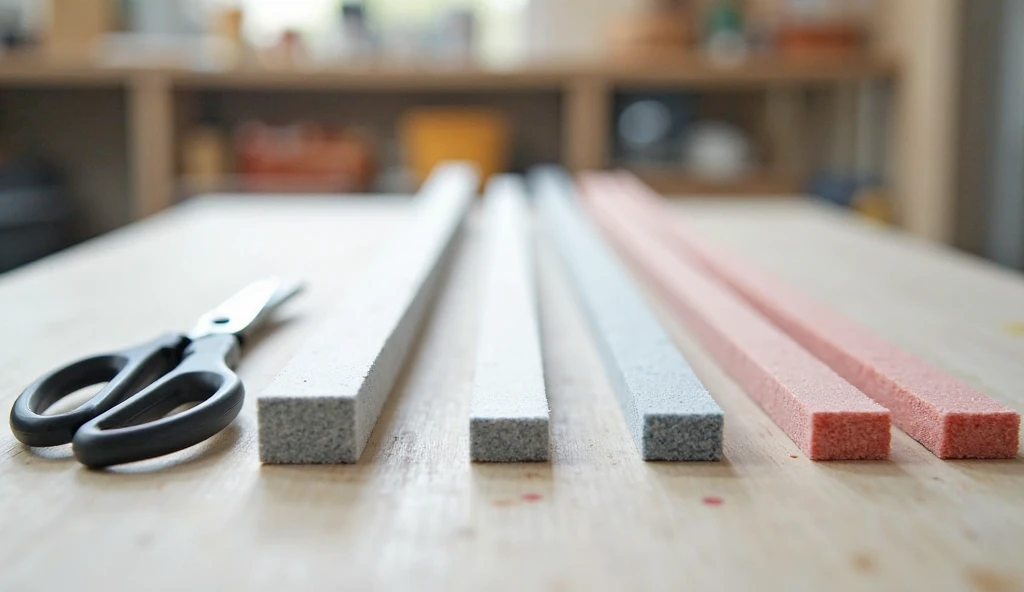
Considering Durability and Material
When selecting foam strips, the durability and type of material used are paramount to ensuring longevity and effectiveness. Materials like polyethylene and polyurethane are known for their high resistance to wear and moisture, making them excellent choices for long-term applications. For foam strips exposed to sunlight, particularly those used on the exterior, UV resistance is vital to prevent deterioration from sun exposure. Furthermore, check the product specifications for temperature resistance, as this can significantly influence the strip’s performance over time.
Matching Foam Strips to Door and Window Types
Matching foam strips to the specific designs of your windows and doors helps in achieving optimal sealing and energy efficiency. Identify the structure and design of these fixtures to ensure that the foam strips chosen fit correctly. For sliding doors, wider foam strips may be required for enhanced sealing capabilities. Additionally, it is essential to match the thickness of the foam strip to the space available. Choosing the right thickness is critical—strips that are too thick or thin can compromise the seal, impacting both insulation effectiveness and indoor comfort.
Preparing the Surface for Application
Before applying foam strips, proper surface preparation is crucial for optimal adhesive bonding. Start by cleaning the surfaces you intend to seal using a non-abrasive cleaner to remove any dirt, dust, or oils that could interfere with adhesion. Once cleaned, ensure the area is completely dry to enhance the adhesive’s effectiveness. Additionally, inspect the surface for any previous materials or old strips, removing them to prevent interference with the new application. Ensuring a clean, dry surface can significantly improve the lifespan and performance of the foam strips.
Step-by-Step Installation Guide
For a successful foam strip installation, follow these steps carefully. First, accurately measure the gaps you want to seal to cut the foam strips to the precise length needed. Once measured and cut, peel off the backing from the adhesive side of the foam strip. Firmly press it onto the designated area, taking care to eliminate any gaps that could allow air or moisture to seep through. If you’re using non-adhesive strips, ensure they fit snugly without overlaps that could reduce their effectiveness. A precise fit is vital in maximizing the sealing properties and enhancing energy efficiency.
Common Mistakes to Avoid
When installing foam strips, avoid applying them in humid conditions, as excessive moisture can compromise the adhesive’s grip. Moreover, avoid stretching the strips during application, as this can cause them to prematurely wear and fail over time. Additionally, ensure you double-check measurements before cutting the strips to prevent wastage and save time. By being mindful of these common mistakes, you can enhance the durability and effectiveness of your foam strip installations.
FAQs
Why should I use foam strips for weatherproofing?
Foam strips are ideal for enhancing energy efficiency by sealing air leaks, which can lead to significant savings on heating and cooling costs. They also improve indoor comfort by maintaining consistent temperatures and reducing noise infiltration.
What materials are best for foam strips?
Polyethylene and polyurethane are excellent choices due to their durability and moisture resistance. These materials are well-suited for long-term applications and provide effective insulation.
How do I ensure the foam strips are installed correctly?
Ensure that the surface is clean and dry before application, measure the gaps accurately, and avoid stretching the strips during installation for a proper adhesive bond.
How long do foam strips last?
With proper installation and minimal maintenance, foam strips can last several years, offering a cost-effective solution for maintaining energy efficiency.




留下评论