
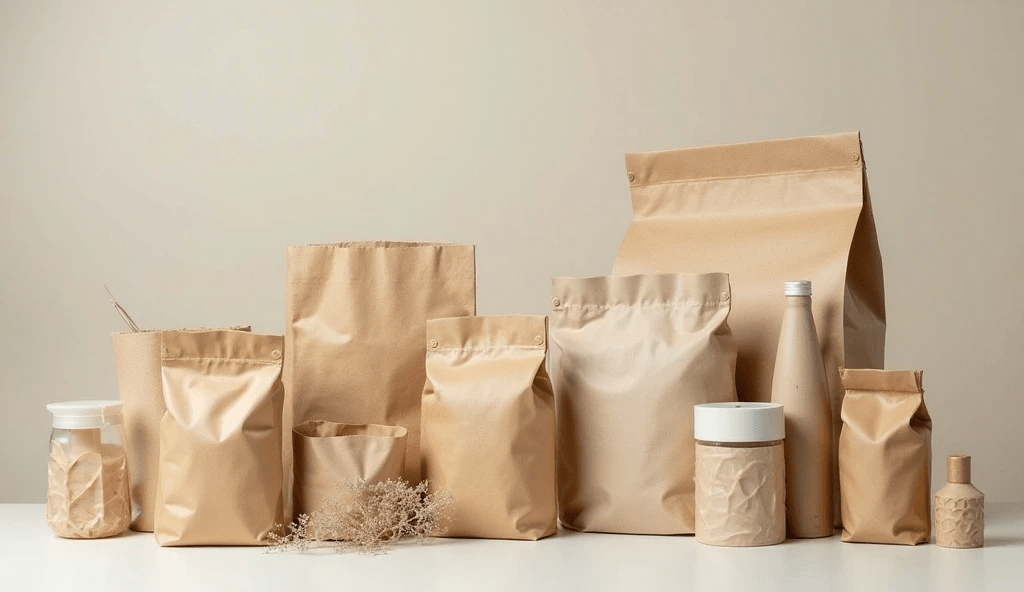
Emerging Trends in Retail Packaging for 2024
In 2024, sustainability will become a focal point in retail packaging, with brands increasingly adopting eco-friendly materials to reduce their carbon footprint. According to a survey by McKinsey, approximately 60% of consumers are willing to pay more for sustainable packaging. This shift is driven by the growing awareness of environmental issues and regulatory pressures, which are encouraging companies to seek innovative ways to minimize waste.
Smart packaging innovations will enhance user engagement and product freshness. Technologies such as QR codes and NFC (Near Field Communication) are being integrated into packaging to offer consumers extra product information and promotions. This not only helps brands to engage customers in a more interactive way but also ensures that products remain fresh over a longer period by providing real-time information on product conditions.
Moreover, customization and personalization are key trends as brands aim to create unique customer experiences. Tailored packaging designs or those that reflect individual customer preferences can promote loyalty and enhance the overall brand experience. By focusing on personalization, brands can differentiate their products in an increasingly competitive market and attract a broader range of consumers who value distinctive, personal touches in their product interactions.
In summary, the emerging trends in retail packaging for 2024 are strongly influenced by the demands for sustainability, technological advancement, and personalization. As these trends continue to evolve, they will shape the future of packaging, promoting a more eco-friendly, interactive, and personalized consumer experience.

Best Retail Packaging Solutions for 2024
Eco-Friendly Materials
The demand for eco-friendly materials such as biodegradable plastics and recycled paper is on the rise. According to Statista, the global green packaging market is projected to surpass $500 billion by 2027. This growth is fueled by brands’ increasing adoption of plant-based materials that are not only compostable but also help reduce landfill waste. Utilizing post-consumer recycled content is another strategy companies use, appealing to environmentally conscious consumers who prefer sustainable options. These eco-friendly packaging methods do not only contribute to environmental conservation but also enhance a brand’s image and consumer loyalty.
Reusable Packaging Systems
The shift toward reusable packaging systems is gathering momentum as businesses strive to curtail the prevalence of single-use plastics. A survey conducted by the Ellen MacArthur Foundation revealed that transitioning from single-use to reusable systems could save the industry an estimated $423 billion. This trend promotes a circular economy model through collaborative efforts among brands to adopt reusable containers, which can significantly enhance brand loyalty. Moreover, implementing deposit systems for reusable packaging encourages consumer participation and responsibility, effectively embedding sustainability into everyday consumption patterns.
Minimalist Design Trends
Minimalism is gaining popularity in retail packaging design, emphasizing simplicity and functionality. Brands are increasingly eliminating excess materials and opting for clear packaging to showcase the product within. This trend not only appeals to consumers who value transparency but also contributes to reduced production costs. Successful brands have reported increased consumer interest upon adopting minimalist designs, which often lead to higher purchase intent. This design approach prioritizes essential elements, ensuring that product packaging effectively communicates the brand message while maintaining an aesthetic appeal.
By adopting these best retail packaging solutions, brands can effectively distinguish themselves on the shelves and align with the emerging consumer expectations for 2024.
Key Features of Effective Retail Packaging
Durability and Protection
Effective retail packaging is essential in ensuring product safety during transit and storage. Adhering to ASTM International standards, packaging should withstand stresses without compromising product integrity. Investing in durable materials not only minimizes damage rates but also leads to fewer returns, thereby significantly enhancing customer satisfaction. Brands that focus on protective packaging solutions can achieve considerable cost savings through reduced need for replacements and refunds. This approach not only preserves product quality but also strengthens the brand’s reputation for reliability and care.
Branding and Visual Appeal
Packaging serves as a critical touchpoint for brand communication, significantly influencing consumer perception and purchase decisions. Studies suggest that 72% of shoppers make buying decisions based on packaging alone. Unique packaging designs and strategic use of brand colors create memorable shopping experiences, fostering enhanced brand loyalty. Moreover, brand storytelling through packaging design can engage consumers emotionally, building a strong connection. Effective visual appeal in packaging thus plays a dual role in captivating consumers and reinforcing brand identity.
Consumer Convenience
Consumer convenience in packaging not only enhances the user experience but also drives sales significantly. Features such as easy-open lids and resealable packaging designs cater to consumer preferences for ease of use, potentially leading to repeat purchases. Packaging that provides clear instructions and measurements fosters satisfaction and aids in consumer decision-making. According to a Nielsen study, 68% of consumers prioritize easy-to-use packaging, underscoring the importance of convenience as a driving factor in consumer purchasing behavior. Brands emphasizing consumer-oriented packaging may find themselves favored in the competitive market landscape.
Future of Retail Packaging: What to Expect
Integration of Technology
The integration of technology is poised to significantly transform retail packaging. Innovations such as augmented reality (AR) and the Internet of Things (IoT) devices are at the forefront of this revolution. According to a report from Technavio, the AR packaging market is projected to grow by an impressive 36% between 2021 and 2025. This growth reflects the increasing demand for interactive and engaging consumer experiences. Moreover, smart labels are enabling more dynamic and detailed tracking of products throughout the supply chain, enhancing transparency and bolstering consumer trust. As brands adopt these technological advancements, they foster personalized interactions with consumers, adding value to the shopping experience.
Focus on Circular Economy
In response to the rising emphasis on sustainability, businesses are increasingly adopting circular economy principles to mitigate waste and optimize resource utilization. The World Economic Forum highlights the potential financial benefits, estimating that a shift toward a circular economy could yield $4.5 trillion in economic advantages by 2030. By implementing take-back programs, companies not only promote recycling and reuse but also reinforce their dedication to sustainable practices. This approach not only improves corporate reputation but also provides a competitive edge, as environmentally conscious consumers are more inclined to support brands with strong sustainability commitments.
Adapting to Consumer Preferences
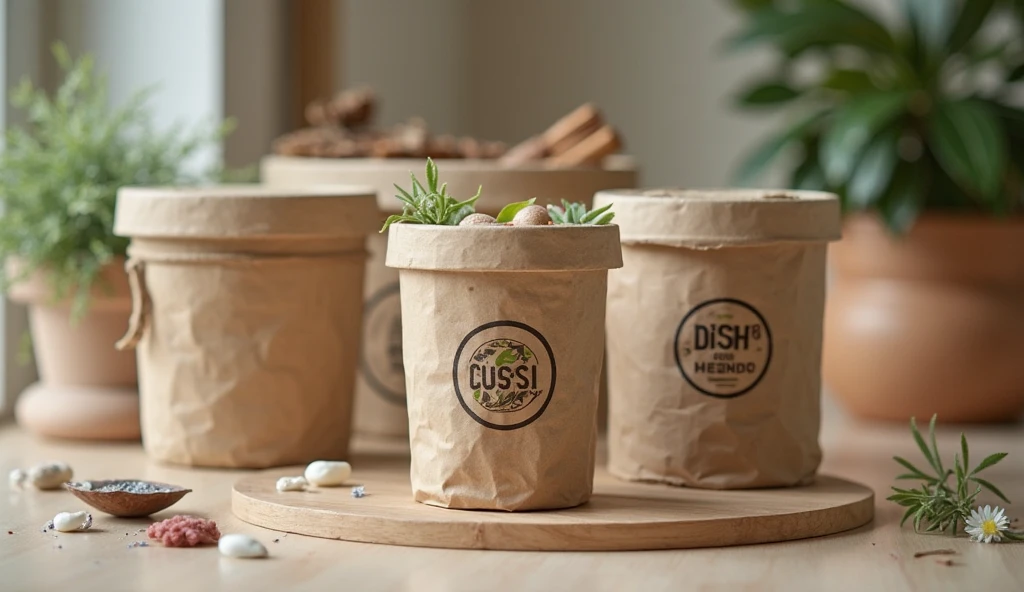
Adapting packaging strategies in alignment with shifting consumer preferences is crucial for sustained success. Utilizing consumer data analytics to understand emerging trends can significantly enhance relevancy. As preferences evolve, customization and adaptable packaging designs become essential for meeting the diverse needs of consumers. Maintaining a continuous feedback loop with your target audience can enable brands to refine their packaging strategies effectively, ensuring alignment with consumer expectations. This responsiveness not only drives consumer satisfaction but also fosters long-term loyalty, solidifying a brand’s position in a competitive market.
FAQ
Why is sustainability important in retail packaging for 2024?
Sustainability is crucial as consumers and regulatory pressures increasingly demand eco-friendly solutions. Sustainable packaging aligns with consumer values and reduces environmental impact.
What role does technology play in the future of retail packaging?
Technology, such as AR and IoT, transforms packaging by enhancing interactivity, tracking, and consumer engagement, ultimately adding value to the shopping experience.
How do reusable packaging systems benefit businesses?
Reusable packaging reduces waste, promotes brand loyalty, and supports a circular economy, offering cost savings and a sustainable packaging solution.
What are the characteristics of effective retail packaging?
Effective retail packaging features durability, visual appeal, branding, and consumer convenience, all of which boost consumer satisfaction and brand loyalty.





留下评论