
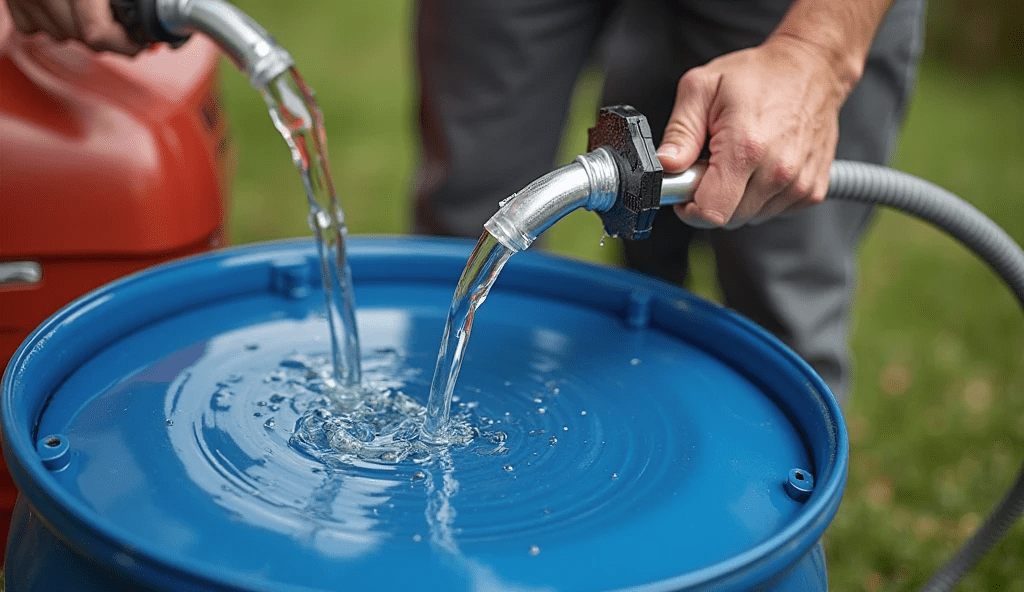
Essential Maintenance Tips for Your 55 Gallon Drum Hand Pump
Proper maintenance is crucial to ensure your 55-gallon drum hand pump operates efficiently and has a prolonged lifespan. One of the primary maintenance tasks is regular cleaning, which helps prevent residue build-up that can significantly impact the pump’s functionality. Frequent cleaning removes contaminants that could cause blockages or degrade pump performance over time, consequently extending the device’s usability.
Proper lubrication is another vital maintenance task for hand pumps. The right lubrication ensures smooth operation and minimizes wear. Experts recommend using lubricants specifically designed for hand pumps, such as silicone-based or PTFE lubricants, which provide optimal performance without damaging pump materials. Some industry-leading brands, like WD-40 and Super Lube, offer products tailored to such requirements, providing long-lasting lubrication while resisting water and dirt.
Lastly, routinely checking for wear and tear, especially on seals and gaskets, can prevent operational failures. Over time, these components can degrade, leading to leaks and potential pump failures. Replacing worn parts promptly is essential to maintaining the pump’s integrity and efficiency. In summary, a well-maintained pump ensures reliable performance and extends the equipment’s service life, minimizing the risk of costly repairs and downtime.
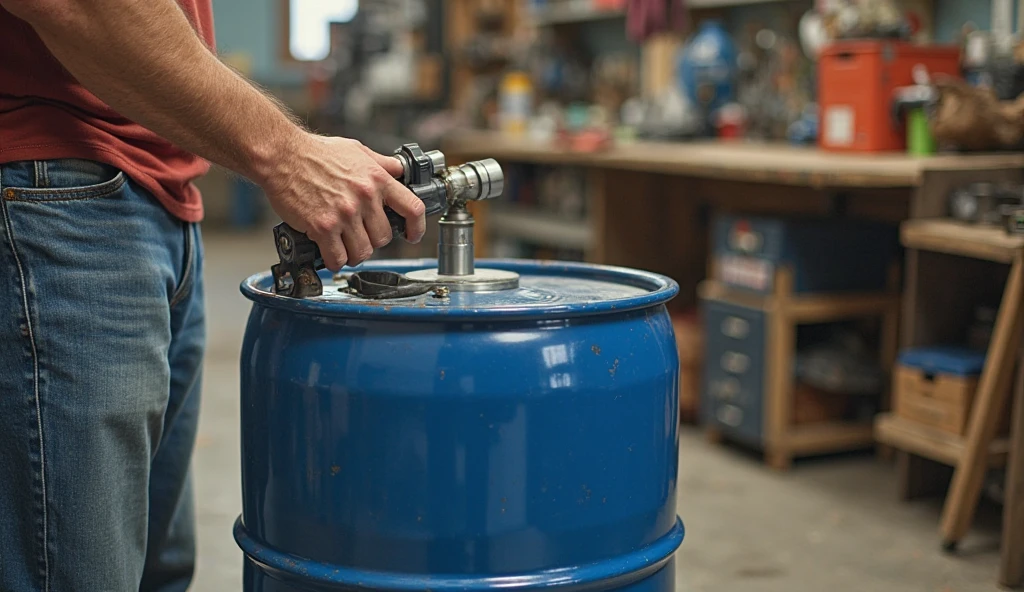
Choosing the Best Hand Pump for Your 55 Gallon Drum
Selecting the right hand pump for your 55-gallon drum involves considering several key features that ensure optimal performance and longevity. First, focus on the ease of handle operation, which significantly influences user comfort and efficiency. A smooth and sturdy handle can reduce hand fatigue, especially during extensive use. Additionally, the flow rate is crucial; a higher flow rate can expedite the transfer process, making it suitable for varied applications. The materials used in constructing the pump, like stainless steel or robust plastics, determine its durability and safety. These materials are resistant to corrosion and chemical reactions, which is vital for long-term use. Safety features such as automatic shut-off and anti-siphoning mechanisms further enhance user experience by preventing spillage and ensuring a controlled flow, safeguarding both the user and the environment.
Compatibility with Different Drum Types
Ensuring compatibility with the drum type is paramount for the effective functioning of a hand pump. Different designs exist for plastic and metal drums, and selecting a model that fits well with your specific drum is essential. Plastic drums may require pumps with flexible hoses, while metal drums might be better suited to pumps with sturdy, rigid tubes. Additionally, various drum openings necessitate specific attachments or fittings to ensure a secure and leak-proof connection. This adaptability is crucial for preventing spills and ensuring the safe transfer of liquids. When purchasing a hand pump, assess the pump’s configuration with your drum’s requirements to minimize operational hiccups and maximize efficiency.
Durability and Ease of Use
Understanding the importance of durability and ease of use is crucial when choosing a hand pump for your 55-gallon drum. Durable materials such as corrosion-resistant steel or high-density polyethylene ensure the longevity of the pump, particularly when handling harsh chemicals or in outdoor conditions. Pumps made from these materials are less prone to wear and tear, reducing the need for frequent replacements. Moreover, ergonomic designs play a significant role in user comfort, providing ease of operation and minimizing strain. Ergonomic handles and lightweight construction allow for prolonged use without fatigue, making tasks easier and more efficient. Prioritizing these qualities in a hand pump will lead to a more enduring and user-friendly experience.
Common Issues and Troubleshooting
Leakage Problems
Leakage is a prevalent issue in hand pumps, often stemming from worn-out seals or improper assembly. Statistics show that a significant percentage of leakage problems in hand pumps are due to these common causes. To fix leakage, begin by inspecting all seals and joints for any visible wear or misalignment. Replace worn-out seals and ensure all components are tightly assembled. Follow these steps to ensure a snug fit and leak-free operation, enhancing the pump’s efficiency and longevity.
Pump Not Priming
A pump not priming can disrupt operations, often caused by air locks or clogged inlet screens. Air locks occur when air is trapped in the pump, obstructing the flow of liquids. Clogged inlet screens prevent the fluid from entering the pump. To address these issues, first, check and clean the inlet screens to remove any debris. If air lock is the suspected cause, try manually priming the pump, ensuring all air is expelled, allowing the fluid to flow smoothly. Mastering these techniques ensures reliable hand pump performance.
Handling Clogged Pumps
Clogged pumps are usually the result of sediment and contaminant deposits, which hinder fluid flow and overall pump efficiency. To unclog a hand pump safely, start by disassembling the pump to identify blockage spots. Use appropriate cleaning tools or fluids to remove sediment without harming delicate components. Regular maintenance, such as routine flushing and inspection, minimizes clogging occurrences, promoting efficient and long-lasting pump use.
Storage and Handling Best Practices
Proper Storage Conditions
To extend the life of a hand pump, it’s crucial to store it under optimal conditions. Ensure that the storage area maintains a moderate temperature, avoiding extreme heat or cold, which can damage the pump’s components. Humidity should be kept at a minimum to prevent rust or corrosion. Additionally, it’s advisable to keep the pump clean and covered to prevent dust accumulation, which can hinder its operation over time. Proper storage not only ensures longevity but also guarantees that the pump remains in prime condition for future use.
Safe Handling Procedures
Implementing safe handling procedures is vital to ensure both user safety and the prevention of accidental damage to the pump. Users should wear appropriate safety gear, such as gloves, to protect against potential chemical exposure or physical injury. In addition to protecting personal safety, these precautions contribute to the functional integrity of the pump. While specific statistics on handling safety may vary, following structured protocols is a proven strategy for minimizing risks. Establishing a routine for safe handling will maximize user protection and equipment reliability.
Preventing Contamination
Preventing contamination of liquids during the pumping process is essential for maintaining liquid purity and safety. Use dedicated pumps for specific substances to avoid cross-contamination, which is particularly crucial in environments dealing with chemicals or sensitive liquids. Implement best practices for cleaning and sanitizing the pump after each use. Regular maintenance includes thorough rinsing and drying to keep the pump free from residual substances that could lead to contamination. By adhering to these practices, you ensure the safe handling of all liquids being transferred.
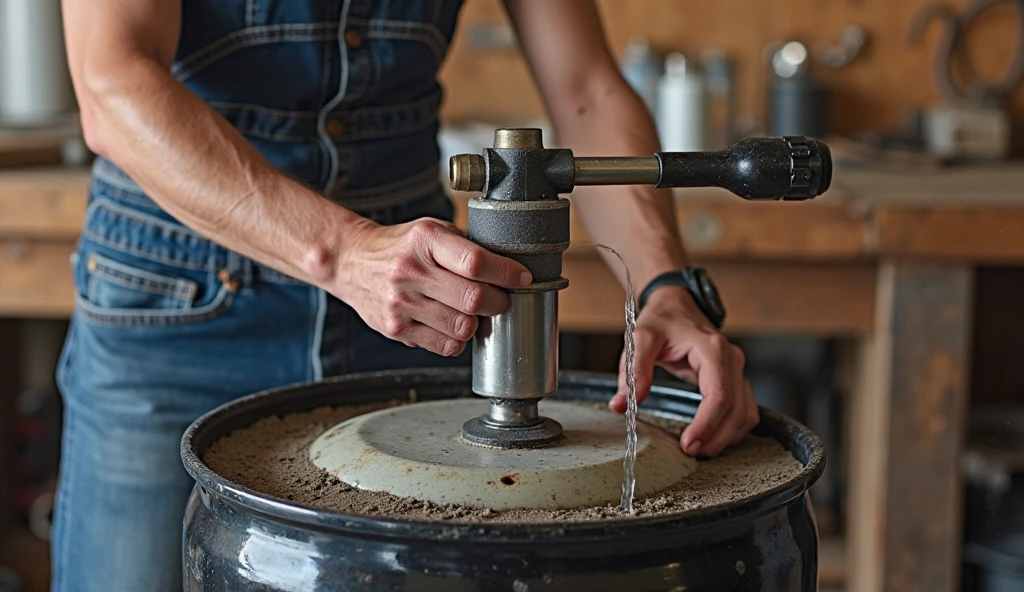
When to Replace Your Pump
Determining when to replace a hand pump involves assessing its usage and condition. Regular use will inevitably lead to wear and tear, necessitating replacement over time. Industry benchmarks typically suggest a pump life expectancy of about five years, depending on usage intensity and maintenance quality. If the pump begins to show diminished performance, such as decreased flow rate, inconsistent pressure, or frequent blockages, it may be time to consider a replacement. Regular inspections and adherence to maintenance schedules can help identify these indicators early, thus preventing unexpected downtime and operational inefficiencies.
Signs of Irreparable Damage
Recognizing the signs of irreparable damage is crucial for ensuring the reliability and safety of your operations. Indicators such as persistent leaks, cracks in the pump housing, or severe corrosion suggest that repairs may no longer be effective. Expert opinions highlight that attempting to repair extensively damaged pumps often incurs higher costs without guaranteeing functionality. Studies have shown that pumps beyond repair not only compromise fluid handling but may also pose safety risks. In such cases, immediate replacement is recommended to maintain operational integrity and user safety.
Upgrading to a Better Model
Upgrading to a more advanced pump model can offer significant advantages, particularly when facing increased capacity needs or when new technology can enhance efficiency and safety. Modern pumps feature advancements in materials, energy efficiency, and user-friendly interfaces that provide greater control and monitoring capabilities. In scenarios where technological innovation can improve processing speeds or reduce energy consumption, upgrading becomes a wise investment. For instance, pumps equipped with smart sensors and IoT connectivity provide real-time data analytics, thereby improving preventative maintenance and operational forecasting.
FAQs
How often should I clean my 55-gallon drum hand pump?
For optimal performance, it is recommended to clean your hand pump after each use and conduct a more thorough cleaning monthly to prevent any residue build-up.
What type of lubricant is best for my hand pump?
Silicone-based or PTFE lubricants are ideal for hand pumps as they provide long-lasting lubrication without damaging the pump materials.
How do I know if my pump needs replacing?
If your pump exhibits signs of diminished performance, such as decreased flow rate, inconsistent pressure, or frequent blockages, it may be time to consider a replacement.
What materials should I look for in a durable pump?
Look for pumps constructed from corrosion-resistant steel or high-density polyethylene as these materials offer durability and resistance to harsh chemicals.



留下评论