
Why Sustainable Apparel Packaging Matters
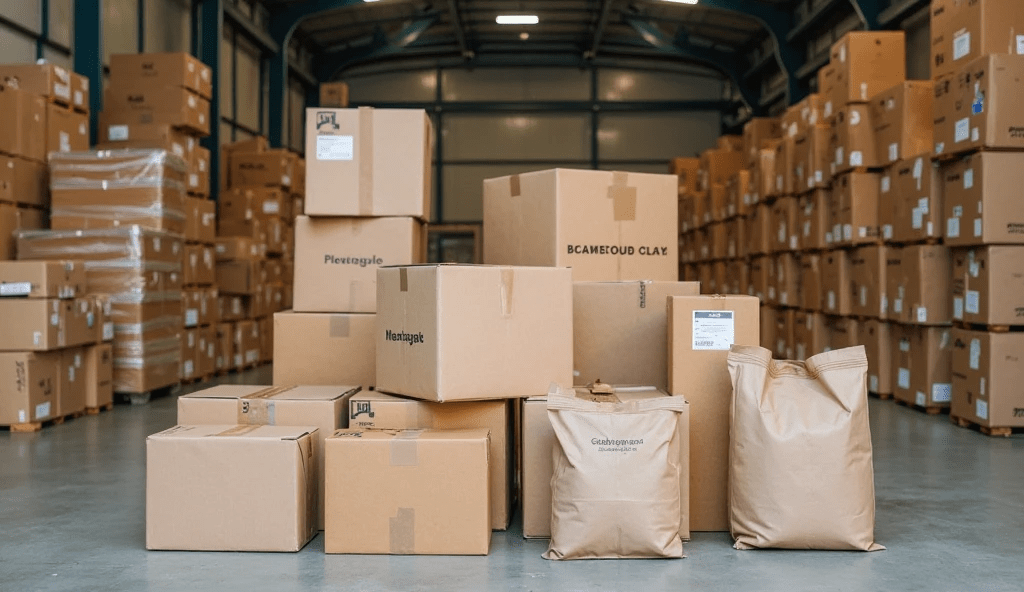
Sustainable apparel packaging is crucial due to the significant environmental impact of traditional packaging methods. Traditional practices contribute to high waste levels and a substantial carbon footprint. The Ellen MacArthur Foundation highlights the severity of plastic pollution, revealing that approximately 8 million tons of plastic end up in the oceans annually. This alarming figure underscores the urgent need to transition to more sustainable packaging solutions in the apparel industry.
Furthermore, there is a growing consumer demand for eco-friendly solutions. A study by Nielsen indicates that 73% of millennials are willing to pay more for sustainable products. This shift reflects a broader trend of consumers seeking brands that align with their values and prioritize green practices. As a result, brands that adopt sustainable apparel packaging not only reduce their environmental impact but also gain a competitive edge. Aligning packaging strategies with eco-friendly practices can enhance a brand’s corporate social responsibility profile and cater to the increasing demand for sustainable options across the market.
Best Practices for Apparel Packaging
Choose Recyclable and Biodegradable Materials
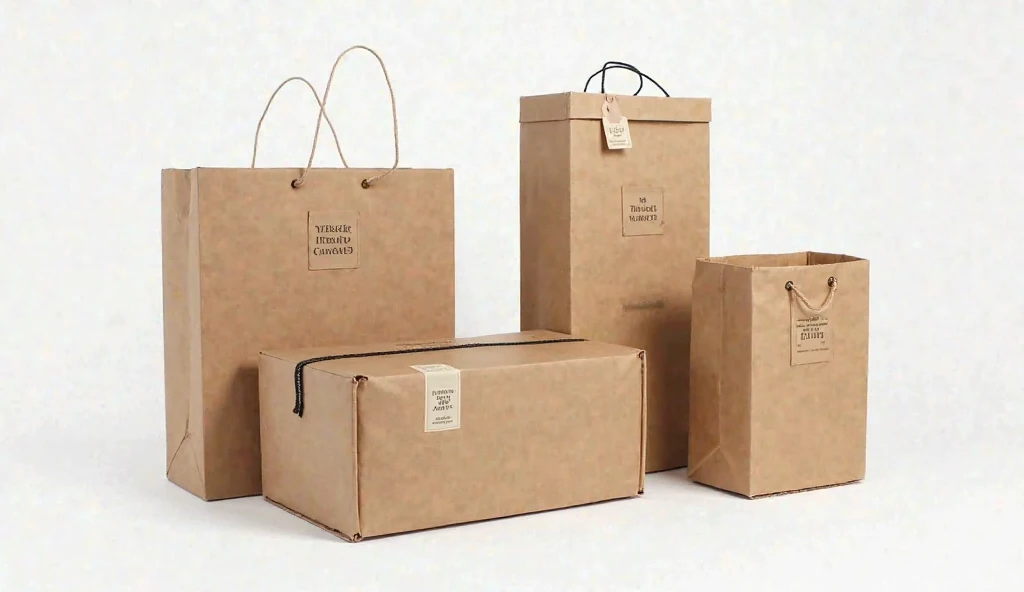
Opting for recyclable and biodegradable materials in apparel packaging is a sustainable initiative that can greatly reduce waste. The Environmental Protection Agency (EPA) highlights that recycling saves enough energy annually to power approximately 5 million households. This not only conserves resources but also significantly lowers waste levels. Furthermore, selecting biodegradable packaging reduces the decomposition time of materials and lessens landfill burden, promoting nutrient cycling within ecosystems. By adopting these materials, companies can improve their sustainability profile and meet growing consumer demands for eco-friendly practices.
Optimize Packaging Size and Weight
Optimizing the size and weight of packaging is crucial for both environmental and business efficiency. Research suggests that well-designed packaging can cut shipping costs by up to 40% through reduced material use and lower transport expenses. When companies minimize excess packaging, they streamline their supply chains and reduce the overall ecological footprint. This practice not only results in cost savings but also positively impacts the environment by curbing carbon emissions associated with transportation. Thus, size and weight optimization is a key strategic consideration for sustainable apparel packaging.
Implement Efficient Folding Techniques
Efficient folding techniques in apparel packaging can lead to significant waste reduction while enhancing package durability. Methods inspired by origami, for instance, create strong and lightweight packages that require less protective material. This can help companies cut costs and improve the environmental sustainability of their packaging operations. Additionally, efficient folding optimizes storage during shipping and display, maximizing space use and potentially reducing shipping volumes. By implementing innovative folding strategies, companies can enhance both the economic and environmental efficiency of their packaging processes.
Creative Packaging Solutions for Apparel
Innovative Designs That Stand Out
Investing in innovative packaging designs is crucial for enhancing product visibility and generating consumer interest, ultimately leading to increased sales. Research indicates that visually appealing packaging can boost sales by approximately 30%. When a package tells a brand’s story or aligns with corporate values such as sustainability, it forms a stronger emotional connection with consumers. This connection not only encourages repeat purchases but also fosters customer loyalty, as the packaging becomes a symbol of the brand’s ethos and values.
Using Branding to Enhance Unboxing Experience
The unboxing experience significantly influences consumer perception and satisfaction. Brands that incorporate creative branding elements in their packaging often witness higher levels of social media engagement and shares. By including branded features like personalized notes or eco-conscious messages, companies can transform the packaging process into an emotionally engaging event. This approach not only elevates the unboxing experience but also strengthens customer loyalty by making the consumer feel valued and appreciated. Engaging unboxing experiences can turn ordinary customers into brand advocates, further enhancing the brand’s reach and impact.
Cost-Effective Shipping Strategies
Minimize Packaging Materials
Reducing the amount of packaging material used is a straightforward way to achieve cost-effective shipping. By minimizing materials, businesses can lower the weight and dimensions of their packages, which directly correlates with decreased shipping costs. This approach not only benefits the financial bottom line but also contributes to environmental sustainability. A survey revealed that optimizing packaging materials allows businesses to save as much as 20% on logistics, highlighting the significant impact of effective packaging strategies on cost savings.
Negotiate Bulk Shipping Rates
Negotiating bulk shipping rates with logistics providers is another crucial strategy for cutting shipping costs. Many logistics companies offer substantial discounts based on shipment frequency and volume, enabling retailers to reduce expenses significantly. Building strong partnerships with carriers can also lead to improvements in service levels, which enhances the efficiency of shipping logistics. These partnerships contribute to an overall reduction in shipping costs, making bulk shipping a win-win opportunity for businesses striving to optimize their operations.
How to Implement Sustainable Practices
Partner with Eco-Friendly Suppliers
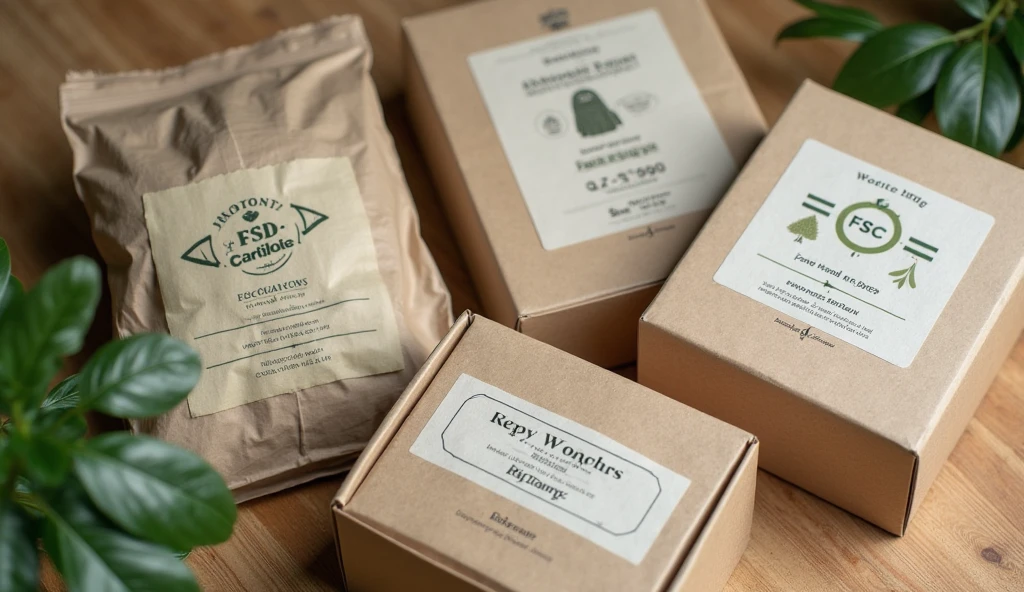
Building relationships with eco-friendly suppliers is a critical step towards implementing sustainable practices. By collaborating with suppliers who prioritize sustainability, companies can adopt environmentally friendly packaging and supply chain processes. According to a report by the World Economic Forum, such partnerships can lower a company’s carbon footprint by up to 20%. This shift not only meets consumer expectations but also enhances brand reputation by showcasing a commitment to sustainable practices.
Educate Consumers on Recycling
Educating consumers on recycling is essential for promoting sustainability. Providing clear and accessible information helps empower consumers to actively participate in recycling initiatives. Studies have shown that such education can boost recycling rates by as much as 25% in certain demographics. By incorporating recycling instructions directly onto packaging, brands foster responsible consumer behavior and reinforce their dedication to environmental responsibility. This strategy not only enhances sustainability efforts but also builds consumer trust and loyalty.
FAQ
What materials are considered sustainable for apparel packaging?
Sustainable materials for apparel packaging include recyclable materials like cardboard and paper, as well as biodegradable options such as bioplastics and plant-based materials.
How can optimizing packaging size and weight benefit businesses?
Optimizing size and weight can reduce shipping costs by lowering material use and transport expenses, resulting in a smaller ecological footprint.
What is the impact of using innovative packaging designs?
Innovative packaging designs can boost product visibility and sales, and when aligned with brand values, they foster stronger emotional connections with consumers.
Why is the unboxing experience important?
The unboxing experience influences consumer perception and can enhance customer loyalty by making consumers feel valued through personalized and branded packaging elements.





留下评论