
The Evolution of Custom Clothing Packaging
Custom clothing packaging has undergone a significant transformation, evolving from basic wrapping techniques to sophisticated branded solutions that reflect the fashion industry’s emphasis on distinctive presentation. This shift aligns with the growing consumer demand for packaging that not only protects the garment but also enhances the overall brand experience. According to a survey by Packaging Strategies, over 70% of consumers prefer branded packaging, as it elevates the perceived value of the product, creating a memorable first impression.
Moreover, sustainability has emerged as a critical component of modern packaging strategies. Fashion brands are increasingly adopting eco-friendly materials to minimize environmental impact and meet consumer expectations for responsible practices. This trend is not only beneficial for the planet but also positions brands as leaders in the sustainable movement, creating a positive image among environmentally conscious consumers. Sustainability in packaging thus plays a vital role in reinforcing brand values and appealing to a growing segment of eco-aware shoppers.
These changes in custom clothing packaging solutions highlight the importance of innovation and sustainability in meeting today’s consumer demands. Fashion brands are now focusing not only on aesthetics but also on the environmental footprint of their packaging, ensuring that they stay competitive in a rapidly evolving market landscape. The marriage of branded packaging and sustainability is a testament to the industry’s commitment to progress and responsible business practices.
Why Custom Clothing Packaging Matters
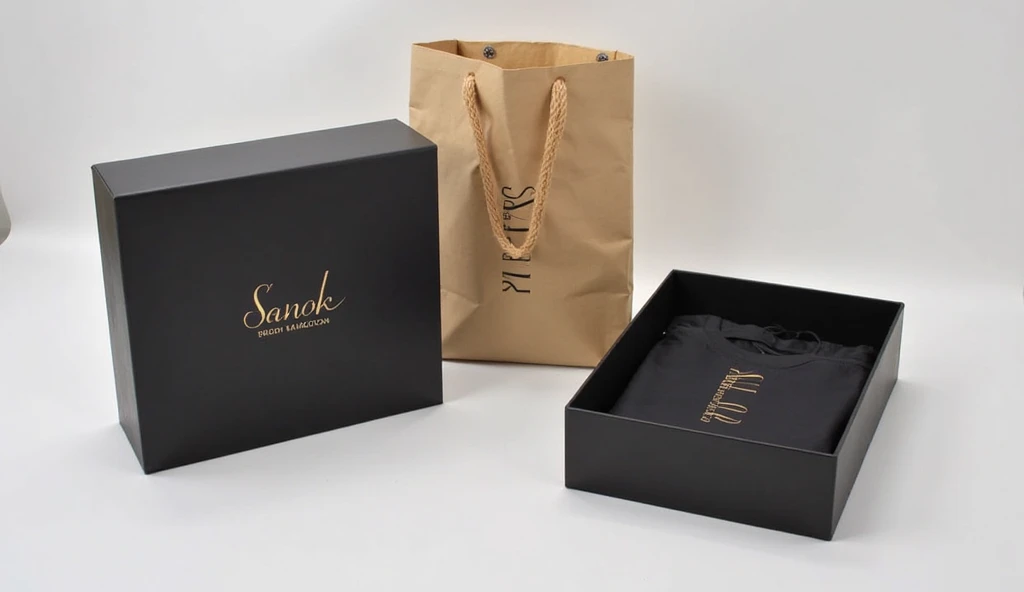
In the competitive world of fashion, custom clothing packaging plays a vital role in enhancing brand identity. It acts as a tangible representation of a brand, allowing companies to effectively express their identity and values. For instance, custom packaging can incorporate brand colors, logos, and eco-friendly materials that resonate with customers’ sustainability values. In fact, a study by Nielsen found that 64% of consumers are more willing to pay higher prices for products from brands committed to sustainability, accentuating the importance of packaging that aligns with a brand’s ethos.
Moreover, custom clothing packaging is essential in protecting garments during shipping. When packaging is inadequate, it can lead to product damage, resulting in costly returns and negative customer experiences. According to the Packaging Institute, 30% of product returns are due to damages incurred during shipping. This underscores the necessity for robust packaging solutions that safeguard garments, ensuring they reach customers in pristine condition.
In addition to protection, custom clothing packaging creates memorable unboxing experiences that significantly influence customer perception and satisfaction. Studies show that 60% of consumers engage with unboxing videos shared on social media, highlighting the impact of these experiences. Brands focusing on creating sensory-rich packaging through texture, color, and design can leave lasting impressions on consumers, making the unboxing event a shareable and memorable moment.
Types of Custom Clothing Packaging Solutions
Kraft Paper Bags
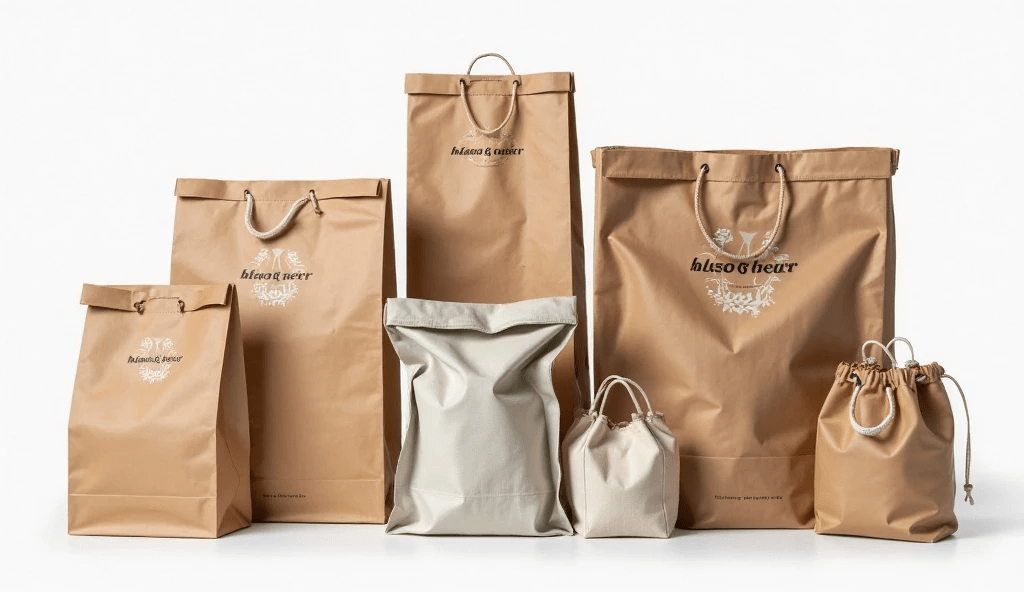
Kraft paper bags are gaining popularity among environmentally conscious brands due to their biodegradability and recyclable nature. These bags are not only eco-friendly but also feature a natural look that enhances brand appeal, aligning with the rustic and organic aesthetic valued by modern consumers. This approach appeals particularly to brands seeking to highlight their commitment to sustainability and eco-friendly practices.
Custom Poly Mailers
Custom poly mailers are a durable and lightweight solution for shipping garments, offering an excellent opportunity for branding through custom prints. These mailers are water-resistant, safeguarding garments from moisture during transit and ensuring they arrive in pristine condition. The versatility of poly mailers makes them an ideal choice for businesses looking to balance protection with branding potential.
Fabric Drawstring Bags
Fabric drawstring bags provide a reusable and sustainable alternative for packaging clothing items. They reinforce a brand’s commitment to eco-friendly practices and continue to serve as promotional tools post-purchase. Customers often repurpose these bags for various purposes, which extends the brand’s exposure and promotes ongoing engagement with consumers.
Eco-Friendly Options
A significant shift towards eco-friendly packaging is evident as consumers increasingly demand sustainable products. Research indicates that 83% of consumers believe companies should invest in greener packaging options. By utilizing biodegradable, compostable, or recyclable materials, brands not only improve their sustainability credentials but also align better with consumer expectations, reinforcing their market position and appeal.
Designing Effective Custom Clothing Packaging
Understanding Your Target Audience
A deep understanding of your target audience is essential when designing custom clothing packaging. This involves using demographic data and conducting market research to grasp consumer preferences and behaviors. By understanding the specific needs and expectations of your audience, you can create packaging that resonates with them, enhancing their overall brand experience. This targeted approach not only increases customer satisfaction but also aligns your packaging strategy with market demands.
Utilizing Colors and Typography
Colors and typography play a pivotal role in packaging design, as they significantly influence consumer perceptions and decision-making. Colors evoke emotions and can make your packaging stand out, making them crucial in attracting potential customers. Similarly, typography should complement the brand’s personality with legible and visually appealing fonts that enhance branding. Together, effective use of colors and typography ensures packaging that communicates the right message and connects with the consumer on an emotional level.
Incorporating Brand Elements
To establish a cohesive brand identity, it is essential to incorporate brand elements like logos, slogans, and unique design features into your packaging. These elements ensure that your packaging is not just functional but also a key part of your branding strategy. By maintaining consistency across all customer touchpoints, companies can strengthen brand recognition and foster loyalty. This integration of brand elements reinforces the brand story and helps customers instantly identify your products, boosting their connection to the brand.
The Future of Custom Clothing Packaging
Innovations in Eco-Friendly Materials
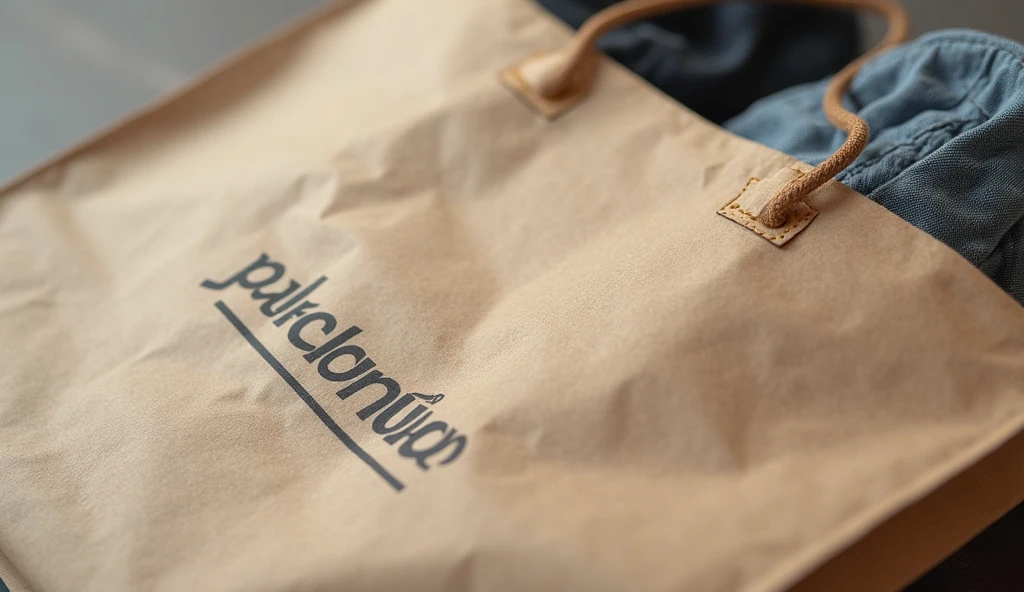
The future of custom clothing packaging leans heavily on innovations in eco-friendly materials. Companies are increasingly adopting plant-based plastics and recycled fibers as sustainable alternatives to traditional packaging materials. These efforts are not only cost-effective but also significantly reduce the environmental footprint of packaging processes. For instance, Unilever has been at the forefront, developing materials that are both durable and minimize ecological damage. The shift towards environmentally friendly packaging materials reflects a broader industry trend focused on sustainability and responsible resource use.
The Rise of Smart Packaging
Smart packaging is on the rise, integrating advanced technologies such as QR codes and NFC chips to create interactive experiences for consumers. These technologies not only engage users but also provide valuable information about the product’s usage and origin, enhancing transparency and trust. With the global smart packaging market projected to reach $50 billion by 2026, there is an evident growth trajectory pointing to significant future adoption. This trend indicates a promising future where packaging is not just a protective layer but also a medium of communication and information.
Trends in Minimalist Design
Minimalist design trends in packaging are gaining popularity, catering to the consumers’ preference for simplicity and clean aesthetics. Modern buyers often associate minimalist packaging with quality and sophistication. A study by Packaging Innovation found that 57% of consumers favor minimalist packaging designs. This perception encourages brands to adopt sleek and straightforward designs, aligning with heightened consumer expectations for elegance and functionality. Consequently, minimalist packaging not only serves as a stylistic choice but also as a competitive differentiator in the market.
Frequently Asked Questions (FAQ)
Why is custom clothing packaging important for brands?
Custom clothing packaging is important because it enhances brand identity, protects garments during shipping, and creates memorable unboxing experiences that influence customer satisfaction and perception.
How does custom packaging impact consumer behavior?
Custom packaging can significantly affect consumer behavior by improving perceived product value, increasing the likelihood of repeat purchases, and providing shareable unboxing experiences.
What are some eco-friendly packaging options?
Eco-friendly packaging options include kraft paper bags, custom poly mailers, fabric drawstring bags, and any packaging made from biodegradable, compostable, or recyclable materials.
How can brands integrate smart packaging into their strategies?
Brands can integrate smart packaging by using technologies like QR codes and NFC chips to provide interactive consumer experiences, improve product transparency, and foster consumer trust.
What is the significance of minimalist design in packaging?
Minimalist design in packaging is significant because it aligns with consumer preferences for simplicity and quality, enhancing brand perception and serving as a market differentiator.





留下评论