
Key Features to Look for in a Stretch Film Dispenser
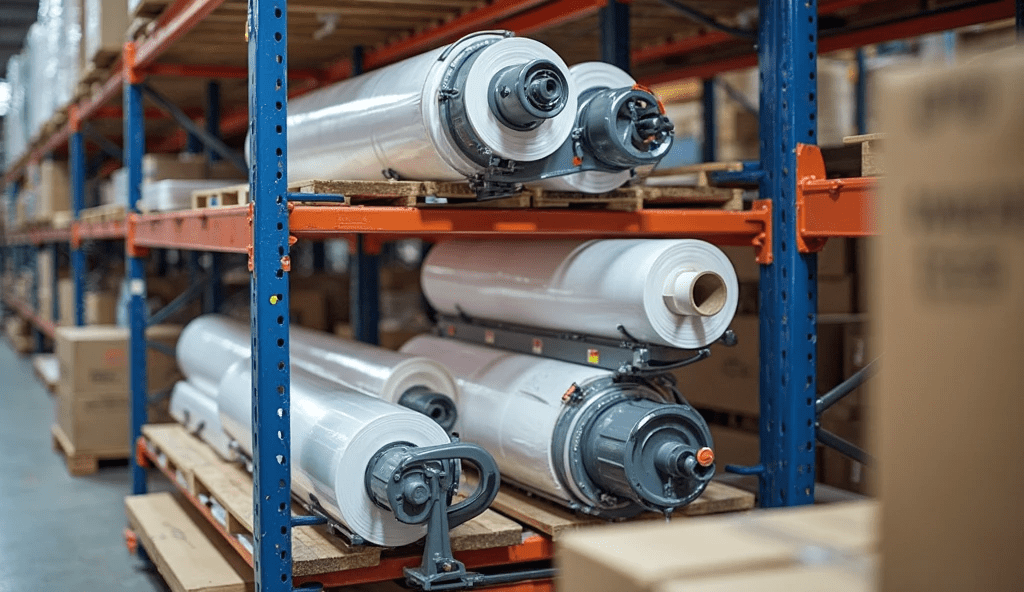
When selecting a stretch film dispenser, durability and material quality should be your top priority. Opt for dispensers constructed from high-grade plastics or metals that can endure heavy-duty use without deteriorating. Manufacturers conduct extensive durability tests to validate the robustness of these materials, ensuring that their products meet the rigorous demands of daily operations in various environments. Investing in a durable stretch film dispenser not only offers long-term reliability but also provides a cost-effective solution by reducing the need for frequent replacements.
Ease of use and ergonomic design are equally important when choosing a dispenser. It is essential for these tools to be user-friendly, minimizing worker fatigue and the risk of injuries. Ergonomic designs can significantly enhance productivity by allowing workers to perform tasks more comfortably and efficiently. Workplace studies have demonstrated that well-designed ergonomic tools contribute to improved task completion rates, supporting business operations without compromising employee well-being.
Furthermore, compatibility with different film rolls is crucial for ensuring versatility in operations. A high-quality dispenser should be able to handle various sizes and types of stretch films, facilitating seamless transitions between different packing tasks. This feature allows users to adapt quickly to varying demands, thus optimizing the workflow and enhancing overall operational efficiency. In the fast-paced environment of supply chain operations, having the flexibility to use multiple film roll types can save time and improve output.
Benefits of Using a Stretch Film Dispenser
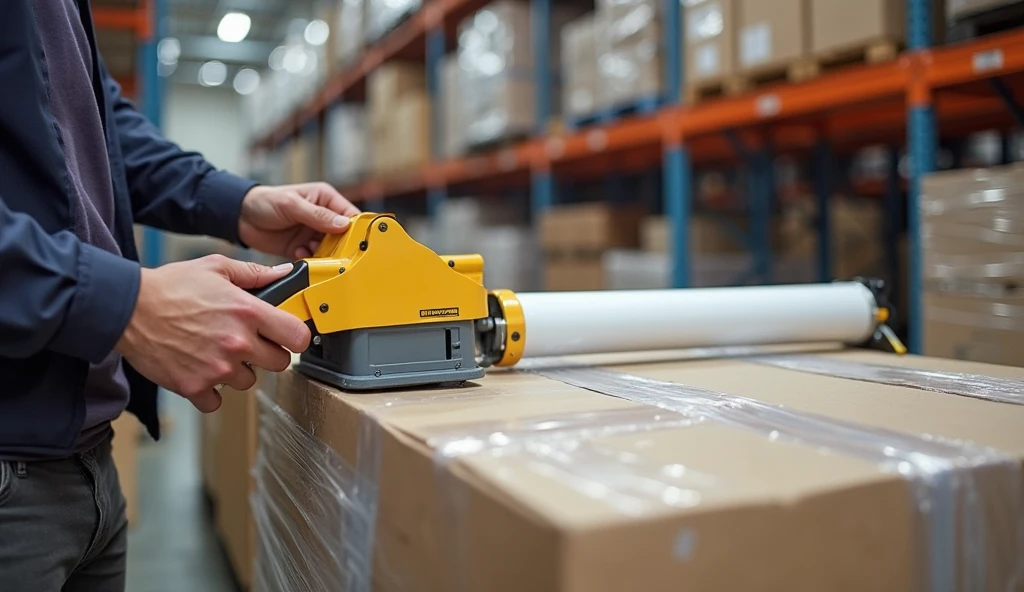
Harnessing the power of a stretch film dispenser significantly enhances efficiency in wrapping and sealing tasks. Research highlights that using a dispenser can reduce wrapping time by up to 50% compared to manual methods. This efficiency is crucial in fast-paced environments where time savings can translate into better productivity and lower labor costs. Businesses seeking optimal wrapping solutions can thus benefit greatly from investing in dispensers.
Another critical advantage of stretch film dispensers is the reduction in film waste. These dispensers provide precise control over film application, ensuring minimal excess use of materials. Environmental studies underscore the impact of reducing waste, both in terms of cost savings and ecological benefits. By minimizing film waste, businesses not only cut expenses but also contribute to sustainability efforts, aligning themselves with environmentally-conscious practices.
Safety during wrapping processes is vastly improved when using stretch film dispensers. These devices are designed to minimize the risk of injuries that result from improper wrapping techniques or excessive manual handling. The ergonomic design of dispensers means that operators can use them more comfortably over extended periods, reducing fatigue and the potential for injury. Such enhancements in safety underscore the value of ergonomic tools in promoting a healthier and more efficient workplace.
Types of Stretch Film Dispensers
When considering stretch film dispensers, the manual type is the most straightforward and affordable option, ideal for small-scale operations. These dispensers demand manual effort to pull and wrap the film, which is efficient when packaging needs are minimal. Besides being cost-effective, they are a great starting point for businesses looking to incorporate organized wrapping processes without significant upfront investments.
Electric stretch film dispensers, on the other hand, cater to high-volume packaging needs by offering automation and consistency. They deliver even tension and speed, which significantly improves the quality and reliability of wraps, making them suitable for large-scale operations. By reducing manual labor, electric dispensers enhance productivity and reduce employee strain during busy packaging periods.
In comparison, the choice between portable and stationary dispensers offers flexibility in usage based on operational demands. Portable dispensers are mobile, allowing them to be easily relocated according to the workflow requirements, making them ideal for dynamic work environments. Conversely, stationary models, designed for fixed set-ups, generally provide enhanced performance capabilities and are suited for setups where stability and durability are required.
Understanding these types of stretch film dispensers—manual, electric, portable, and stationary—enables businesses to choose the right dispenser for their specific packaging needs, balancing factors like efficiency, budget constraints, and operational scale. This choice is crucial in optimizing packaging processes and improving overall productivity.
How to Choose the Right Stretch Film Dispenser for Your Needs
Selecting the optimal stretch film dispenser is paramount for efficient packaging operations. To begin, it’s essential to assess your wrapping volume; understanding your daily or weekly needs will help determine the type and capacity of the dispenser that fits your requirements. Industry experts recommend analyzing your current production processes to identify the most suitable dispenser. This ensures that the chosen equipment aligns seamlessly with your operational demands.
Secondly, considering your workspace setup is critical. Measure the available space and decide whether a portable or stationary model would best optimize your workflow. Portable models provide flexibility and can be moved as needed, while stationary models often offer more robust performance ideal for continuous, high-volume packaging tasks. This decision will depend on your existing infrastructure and how a new dispenser can integrate with or improve it.
Lastly, when deciding, carefully weigh your budget against the long-term value the dispenser offers. Although a higher initial investment in a quality dispenser might seem significant, it can result in reduced operational costs over time due to increased efficiency and fewer film waste issues. Investing in a reliable product can enhance packaging operations, ensuring consistency and quality, which is crucial for maintaining client satisfaction and operational efficiency. Transitioning to a better-suited dispenser can substantially contribute to the bottom line, making it a vital decision for any business.

Maintenance Tips for Stretch Film Dispensers
Regular maintenance of stretch film dispensers is essential to avoid malfunctions and prolong their lifespan. Industry experts recommend establishing a routine maintenance schedule that includes regular cleaning and inspection. Dust, debris, and film residue can accumulate over time, potentially causing operational issues. Therefore, cleaning the dispenser components regularly ensures smooth operation and prevents unexpected breakdowns, ultimately saving both time and money.
Proper storage of stretch film dispensers is crucial to prevent damage and ensure longevity. Dispensers should be kept in a dry and clean area, away from humidity and corrosive materials, which can affect their functionality over time. Ensuring that the storage environment is suitable helps maintain the dispenser’s performance and reduces the likelihood of maintenance issues arising from environmental factors.
Understanding when to replace parts or upgrade your dispenser is vital for maintaining operational efficiency and safety. Monitoring for wear and tear is essential to prevent safety hazards and degraded performance. Consulting the manufacturer’s guidelines for replacement schedules can provide benchmarks for when to make changes, ensuring the dispenser remains reliable and effective. By staying informed and proactive, businesses can keep their operations running smoothly and avoid costly disruptions.
FAQs about Stretch Film Dispensers
What is the importance of durability in stretch film dispensers?
Durability ensures that the dispenser can withstand heavy-duty use, reducing the need for frequent replacements and offering long-term reliability, which is cost-effective for businesses.
How do stretch film dispensers reduce film waste?
They allow precise control over film application, ensuring minimal excess use of materials, which cuts costs and supports sustainability efforts.
What are the differences between manual and electric stretch film dispensers?
Manual dispensers require physical effort and are suitable for small-scale operations, while electric dispensers offer automation for high-volume needs, enhancing productivity and consistency.
How should I maintain my stretch film dispenser?
Regular cleaning and inspection are crucial to avoid malfunctions. Proper storage in a dry area away from corrosive materials is also important to maintain the dispenser’s functionality.
What factors should I consider when choosing a stretch film dispenser?
Consider your wrapping volume, workspace setup, and budget to ensure the dispenser fits your operational needs and provides long-term value.




留下评论