

Understanding Respirator Fit Test Kits
A respirator fit test kit is an essential tool used to ascertain whether a respirator fits the wearer correctly, ensuring adequate protection against airborne contaminants. These kits are designed to assess the fit under various conditions, simulating real-life breathing scenarios to verify that the respirator forms a proper seal. The importance of a respirator fit test kit lies in its ability to enhance workplace safety by detecting potential leaks that could expose the wearer to hazardous substances.
Fit testing is crucial in identifying leaks in respirators that might otherwise lead to exposure to harmful materials, especially in industries with high risks of encountering airborne contaminants. The necessity of this practice is supported by statistics; for example, the Centers for Disease Control and Prevention (CDC) notes that over 500,000 workers in construction and similar fields are at significant risk of exposure to hazardous airborne particles due to improper respirator fit. In such environments, inadequate fitting can drastically increase the risk of respiratory issues, underlining the need for routine fit testing to uphold safety standards and prevent health complications.
Types of Respirator Fit Test Kits
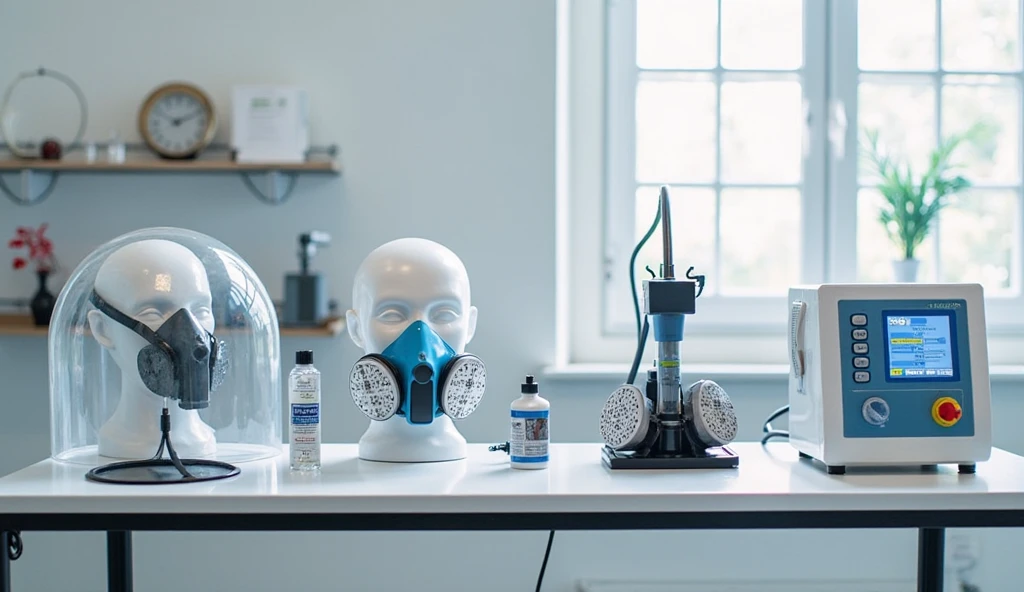
Respirator fit test kits are essential tools for ensuring the proper fitting of respirators, which is crucial for safety and compliance. There are two main types of respirator fit test kits: qualitative and quantitative, each with its unique approach and benefits.
Qualitative Fit Test Kits
Qualitative fit test kits rely on subjective methods where the user detects an irritant or test agent to determine if the respirator fits correctly. These kits often use sweet or bitter solutions that are sprayed around the respirator’s seal. If the wearer can taste or smell the solution, it indicates a poor fit, suggesting that adjustments are necessary. This method is relatively quick and cost-effective, making it suitable for small-scale applications. However, due to its subjective nature, it may not provide the comprehensive assurance needed for environments with high exposure risks, where more precise measurements are required.
Quantitative Fit Test Kits
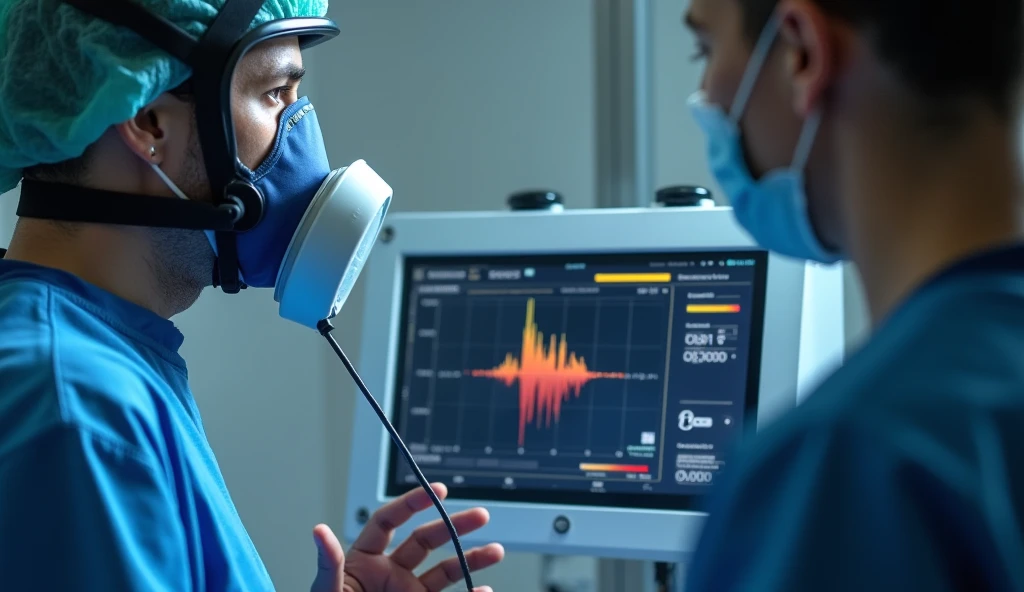
In contrast, quantitative fit test kits employ advanced technologies to provide objective, numerical measurements of a respirator’s fit. These kits use particle counting or pressure detection methods to establish a definitive pass or fail outcome. This approach not only ensures a precise fit but also offers detailed insights into the fit quality, which is crucial in settings where exacting standards are a must, such as in healthcare or industries handling hazardous materials. Despite being more expensive, quantitative fit tests are favored by regulatory bodies like OSHA due to their rigorous accuracy and reliability, making them indispensable in high-risk environments.
Key Features to Look for in a Fit Test Kit
Compliance with OSHA Standards
Ensuring that any respirator fit test kit complies with OSHA regulations is imperative for safety and legality. Compliance with these standards means the product has been rigorously tested and adheres to safety guidelines, which is crucial for protecting workers against respiratory hazards. Failure to comply not only risks legal liabilities for employers but can also lead to inadequate worker protection and increased exposure to respiratory risks. Therefore, selecting a fit test kit that meets OSHA’s stringent standards is a non-negotiable aspect of workplace safety.
Ease of Use and Portability
A fit test kit should be designed for ease of use, allowing for straightforward setup and efficient execution of tests. This user-friendliness is particularly valuable for companies that need quick, reliable results without any complex procedures. Additionally, the portability of the kit is crucial, especially for businesses conducting tests in various locations. Lightweight kits that are easy to transport enhance convenience and ensure that fit testing can be integrated seamlessly into regular safety checks at different sites.
Included Components and Certificates
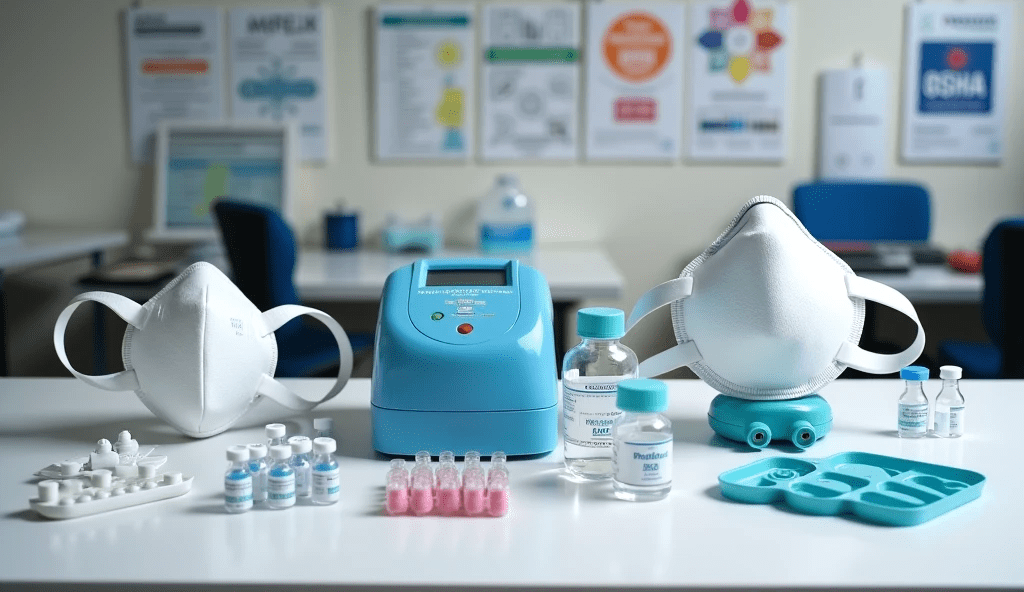
When evaluating fit test kits, it’s important to check for included components such as calibration certificates, user manuals, and training materials. A comprehensive set of components ensures that users can conduct fit testing accurately and with guidance. Furthermore, having certificates that attest to the kit’s compliance with relevant standards offers additional assurance of its effectiveness and reliability. These components not only support better testing outcomes but also provide documentation that can be critical for audit and compliance purposes.
How to Perform a Respirator Fit Test
Step-by-Step Guide to Fit Testing
To successfully perform a respirator fit test, it’s crucial to select the appropriate respirator size and type for the individual. The process starts by following the manufacturer’s instructions closely, which usually involves placing the respirator on the individual’s face and conducting a series of movements to check for any leaks. Throughout the session, documentation of results is essential for compliance and to serve as a future reference. This practice not only ensures safety but also meets regulatory requirements such as those mandated by OSHA, helping organizations to avoid legal liabilities.
Common Mistakes to Avoid
When performing respirator fit testing, several common mistakes can undermine the process. These include failing to properly seal the respirator on the user’s face, neglecting to record data accurately, and not utilizing appropriate testing conditions. By educating staff on these pitfalls, companies can improve the effectiveness of fit testing. This, in turn, fosters better safety practices and ensures that employees are well-protected while using respirators. By avoiding these errors, organizations can enhance workplace safety and ensure compliance with essential safety regulations.
Choosing the Best Respirator Fit Test Kit
Factors to Consider When Selecting a Kit
When selecting a fit test kit, it is crucial to consider several factors to ensure you choose the most appropriate kit for your needs. These factors include:
- Type of Respirators Used: Some kits are designed for specific types of respirators, such as N95 or reusable elastomeric respirators. Ensure the kit is compatible with the respirators in use.
- Frequency of Testing Required: Establish how often fit testing is needed in your workplace. Frequent testing may require a more robust and user-friendly kit.
- Budget Constraints: Assess the cost of the kit relative to your budget. Consider not just the initial purchase price but also the cost of consumables and maintenance.
- Specific Hazards Present: Identify workplace hazards that could influence the effectiveness of the respirators and ensure the kit addresses these conditions.
Understanding these considerations can guide users in selecting the most suitable fit test kit for their operational requirements.
Top Brands and Models
Several reputable brands offer high-quality respirator fit test kits. Among the top brands, 3M, North, and PortaCount stand out for their reliable and efficient products:
- 3M: Known for its comprehensive line of fit test kits, 3M provides robust options for both qualitative and quantitative testing methods. Their kits often receive high praise in customer reviews.
- North: North offers versatile fit test kits that cater to a wide range of respirator models. Their focus on safety and user adaptability makes them a popular choice among professionals.
- PortaCount: PortaCount’s advanced quantitative fit testing solutions are praised for precision and accuracy. Their technological innovations make them suitable for environments requiring stringent testing measures.
Reviewing expert ratings and customer testimonials can further assist in making an informed purchase decision, ensuring safety and compliance in the workplace.
FAQ
What is the purpose of a respirator fit test kit?
A respirator fit test kit is used to determine if a respirator fits the wearer properly, ensuring a secure seal against airborne contaminants and enhancing workplace safety.
What are the main types of fit test kits?
The main types of fit test kits are qualitative and quantitative. Qualitative kits rely on subjective detection of taste or smell, while quantitative kits provide objective numerical measurements of fit.
Why is compliance with OSHA standards important for fit test kits?
Compliance with OSHA standards ensures that the fit test kit has been rigorously tested and adheres to safety guidelines, protecting workers from respiratory hazards and reducing legal liabilities for employers.
How do qualitative and quantitative fit test kits differ?
Qualitative fit test kits use taste or smell detection to assess fit, while quantitative fit test kits use technological methods like particle counting for precise fit measurements.
What should I consider when choosing a respirator fit test kit?
Consider factors like the type of respirators used, frequency of testing required, budget constraints, and specific workplace hazards when selecting a fit test kit.




留下评论