
The Role of Steel Walls in Modern Retail Design
Enhancing Aesthetic Versatility in Mall Spaces
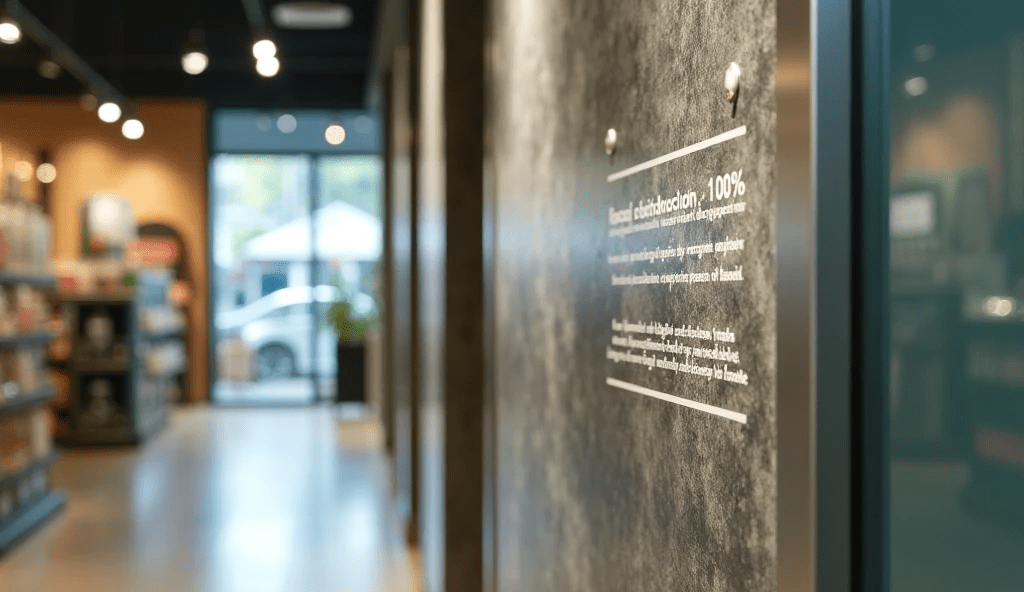
Steel walls play a pivotal role in elevating the aesthetic appeal of mall spaces, seamlessly fusing with various architectural styles. From industrial chic to rustic charm, the sleek, modern appearance of steel walls harmonizes with contemporary design trends, creating an inviting ambiance within retail environments. They offer the flexibility to be customized with different finishes and color coatings, enabling retailers to align these walls with their specific thematic and branding needs. This adaptability makes steel walls a preferred choice for creating distinctive and memorable retail experiences that can captivate customers and enhance brand identity. By incorporating versatile design elements, retail spaces can achieve an innovative look that sets them apart from competitors.
Structural Integrity for High-Traffic Environments
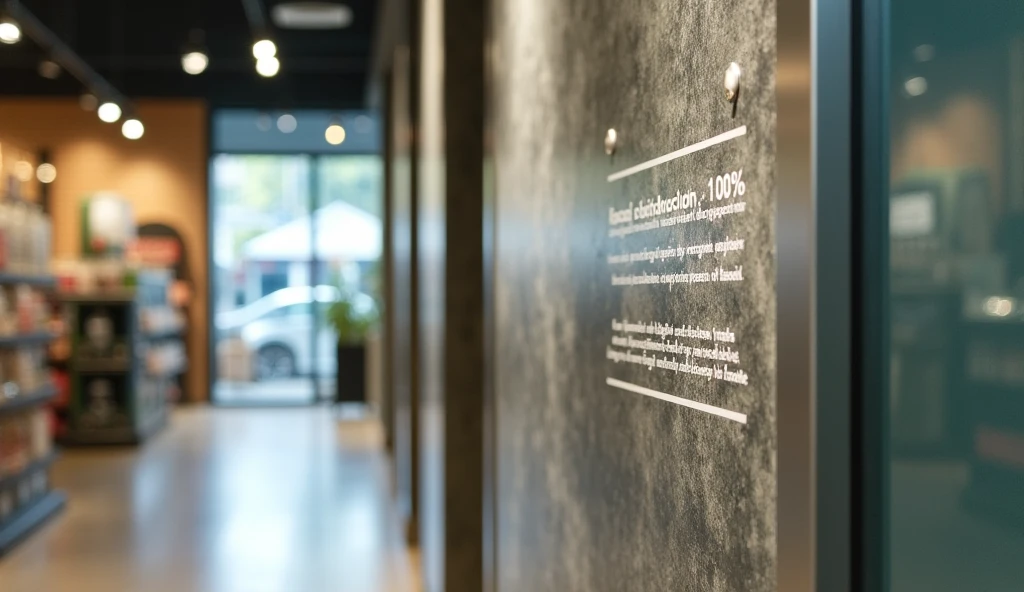
In bustling mall environments, maintaining safety and durability is paramount, and steel walls excel in this regard. Renowned for their strength and resilience, steel walls provide the structural integrity required to support heavy foot traffic over time. Unlike traditional wall systems, steel walls are less susceptible to damage from wear and tear, which results in reduced maintenance costs and fewer disruptions for retailers. Their robust construction ensures that they can withstand the rigors of daily use, making them an ideal solution for high-traffic areas. By investing in steel walls, mall operators can ensure long-term stability and a secure environment for both shoppers and employees, boosting overall customer satisfaction.
Case Study: LUO Studio’s Industrial-to-Retail Transformation
LUO Studio’s innovative approach to transforming an industrial space into a vibrant retail environment highlights the versatility of steel in contemporary design, as seen in the transformation of Mumokuteki Concept Bookstore in Beijing. By embracing the industrial character of the existing space, LUO Studio employed steel walls strategically to create a striking yet functional environment that draws customer interest. This project not only illustrates the aesthetic potential of steel walls but also demonstrates their functionality as structural features that contribute to the overall store environment. The use of steel walls within the design serves both as a physical framework and as an artistic element that enhances the visual appeal to attract shoppers, proving that steel can effectively blend form and function to create compelling retail spaces.
Innovative Applications of Steel Wall Systems in Malls
Modular Barricades for Seamless Renovations
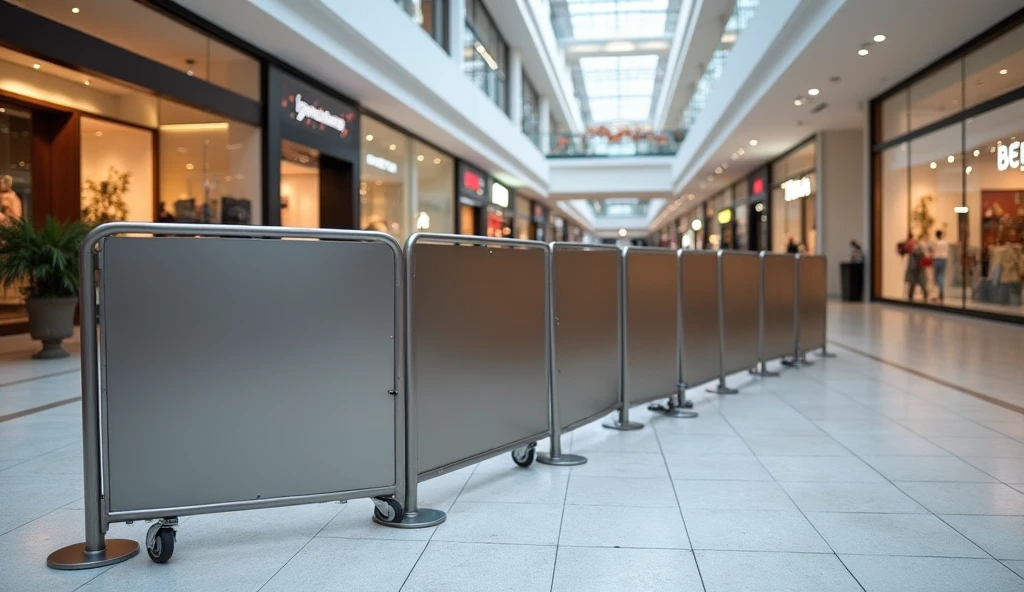
Modular steel barriers are revolutionizing mall renovations by enabling quick reconfigurations that minimize disruptions to both shoppers and retailers. These barriers facilitate construction work by ensuring that businesses remain operational while parts of the mall are under renovation. Not only do these systems reduce downtime for retail, but their reusable nature leads to significant cost savings and aligns with sustainable development practices. Unlike traditional drywall, which often results in excessive waste, modular barriers can be reused multiple times, reducing the environmental impact associated with construction projects. This sustainable approach is particularly beneficial in high-traffic mall environments where efficient renovation is a constant necessity. By seamlessly integrating into existing structures, modular steel barricades make renovations less invasive and more efficient, thus providing convenience and environmental benefits.
Artistic Installations: Kara Walker’s Katastwóf Karavan
Kara Walker’s installation, the Katastwóf Karavan, exemplifies how steel walls can transcend their traditional roles, serving as canvases for artistic expression and engaging mall visitors. These walls showcase the potential of transforming steel infrastructure into dynamic art installations, thus enhancing the cultural dimension of retail spaces. Such implementations not only serve as attractive focal points but also help drive foot traffic by encouraging customers to explore these captivating setups. Artistic installations on steel walls redefine the utility of these structures, broadening their role beyond mere support to becoming integral elements of experiential marketing in retail environments. Steele art installations thus elevate the aesthetic appeal of malls, making them cultural hubs that attract diverse audiences and enrich the shopping experience.
Retail Space Partitioning with Reusable Panels
Reusable steel panels are a cutting-edge solution for retail space partitioning, offering unparalleled flexibility for design changes that align with shifting consumer trends. By facilitating efficient space management, these panels enable retailers to adapt layouts swiftly to reflect new branding, promotional events, or seasonal product offerings. This adaptability is crucial in maximizing the utilization of available retail space, ensuring that the shopping environment remains dynamic and appealing. Retailers can create personalized shopping experiences by quickly altering the layout to cater to specific market demands or customer preferences. Furthermore, the ease with which these partitions can be repositioned not only enhances operational efficiency but also translates into cost savings by reducing the need for new materials. Ultimately, reusable steel panels are an invaluable asset for retailers seeking to stay agile in a rapidly changing marketplace.
Steel Wall Installation for Malls: Benefits & Techniques
Speed and Precision with Wall Machine Products
Advanced wall machine products have revolutionized installation processes by significantly enhancing efficiency, reducing labor time compared to traditional methods. These machines are engineered to provide precise cuts and alignments, ensuring that finishes are uniform and flawless throughout the mall space. Such precision is crucial for maintaining the aesthetic coherence of retail environments, thereby improving the overall quality of the shopping experience for visitors. By incorporating this technology, malls can minimize downtime and enable stores to open swiftly, thus optimizing revenue potential right from the launch.
Eco-Friendly Machinery for Dust-Free Assembly
Employing eco-friendly machinery during the installation of steel wall systems results in a cleaner assembly process, minimizing dust and debris. This approach not only enhances the safety and health of the worksite, aligning with rigorous health regulations, but also preserves the air quality inside commercial spaces. Additionally, the reduction in airborne particles creates a more pleasant shopping environment during ongoing construction or renovations, benefiting both workers and patrons. Such machinery underscores a commitment to sustainable development by integrating advanced technology that supports green building initiatives.
Noise Reduction in High-Density Retail Zones
Steel walls can be uniquely engineered to deliver superior sound insulation, a critical feature in high-density retail zones where creating a tranquil shopping atmosphere is paramount. The integration of acoustic panels along these walls can further reduce noise pollution, making the space more appealing to customers. By applying these techniques strategically, malls can significantly lower decibel levels, creating serene environments that enhance visitor experience despite the bustling nature of retail activities. Soundproofing innovations help transform busy malls into peaceful sanctuaries, encouraging longer visitor stays and repeat visits.
Sustainability and Cost-Effectiveness of Steel Walls
Recyclable Materials and Landfill Avoidance
Steel stands out as a sustainable construction material because it is 100% recyclable, significantly aiding in landfill avoidance. As steel can be recycled indefinitely without losing its properties, it contributes to reduced environmental impact. This practice aligns with the principles of a circular economy, where materials are consistently reused rather than discarded, promoting sustainability in construction. By choosing recyclable materials, the construction industry can play a pivotal role in minimizing ecological footprints while adhering to modern environmental standards.
Long-Term Maintenance Savings
The long-term maintenance savings offered by steel walls make them a prudent investment for any construction project. Due to their innate durability, steel walls are resistant to environmental damage and deformation, which substantially lowers maintenance costs over time. According to a study conducted by a leading construction firm, steel structures maintain their integrity far longer than other materials. This resilience translates into significant savings, as repairs and replacements are less frequent, making steel walls a smart choice for cost-effective and sustainable building solutions.
Energy Efficiency Through Thermal Insulation
Steel walls can greatly enhance energy efficiency when combined with thermal insulation materials. This setup not only reduces heating and cooling expenses in retail environments but also aligns with broader sustainability goals by minimizing carbon emissions. Incorporating energy-efficient steel walls into construction projects leads to lower operational costs and supports environmental responsibility. As businesses strive to reduce their carbon footprints, steel wall solutions provide an effective means to achieve energy efficiency and sustainability within the built environment.
Future Trends in Steel Wall Design for Retail
Smart Walls with Integrated Digital Displays
The future of retail wall design is leaning toward smart technology, particularly through the integration of digital displays. These smart walls enhance customer interaction by providing dynamic advertising and information tailored to real-time analytics about consumer behavior and preferences. Retailers are increasingly utilizing these displays to not only captivate their audience but also to provide tailored product information, promotions, and interactive experiences. This technology adapts to the evolving retail landscape by offering a versatile platform for both marketing and customer service enhancements.
Adaptive Reuse of Demolition Materials
The adaptive reuse of demolition materials is becoming a significant trend in steel wall installations, contributing markedly to sustainable building practices. By repurposing materials from previous construction sites, waste is minimized, and resources are conserved, making way for innovative design possibilities. This practice aligns with the growing demand for environmentally responsible construction, allowing for creative design features while ensuring that both aesthetic and sustainability goals are met. It also sets a new standard in resource conservation and efficient waste management within the construction industry.
Hybrid Structures Blending Aesthetics and Functionality
In future steel wall designs, hybrid structures that blend aesthetic appeal with functional performance are expected to gain prominence. This trend caters to consumer desires for visually pleasing environments, while simultaneously ensuring practical usability for retailers. By leveraging advanced materials and technology, these hybrid designs offer a unique combination of beauty and functionality, redefining conventional approaches to retail space design. Innovations in this domain are creating opportunities for aesthetically-driven yet efficient spaces that align with modern consumer expectations and usage needs.
FAQ
What are the benefits of using steel walls in retail design?
Steel walls enhance aesthetic versatility, provide structural integrity for high-traffic environments, offer sustainable and cost-effective solutions, and allow for innovative design applications such as modular barricades and artistic installations.
How do steel walls contribute to sustainability in construction?
Steel is 100% recyclable, aiding in landfill avoidance. Its durability reduces maintenance needs, and it offers energy efficiency through thermal insulation. Adaptive reuse of materials also minimizes environmental impact.
What are some innovative uses of steel walls in malls?
Innovative uses include modular barricades for seamless renovations, artistic installations, reusable panels for flexible space partitioning, and integrating digital displays for enhanced customer interaction.





留下评论