

How Magnetic Floor Sweepers Work to Remove Debris
The Science Behind Magnetic Attraction
Magnetic attraction plays a crucial role in the effectiveness of floor sweepers in industrial settings. Magnetic fields are the force behind this attraction, working to draw in ferrous materials such as nails and screws effortlessly. In magnetic sweepers, both permanent magnets and electromagnets are employed. Permanent magnets provide a consistent magnetic field without needing electricity, perfect for smaller sweepers. On the other hand, electromagnets, which require electricity, allow for adjusting the magnetic force, making them ideal in robust industrial sweepers. The strength and reach of these magnetic field sweepers are pivotal; they determine how efficiently the device can clean large, cluttered spaces. A powerful magnetic field ensures that even hidden debris doesn’t escape the sweeper’s pull. Overall, understanding the magnetic forces at play helps optimize the use of sweepers in various contexts.
Manual vs. Towed: Types of Magnetic Sweepers
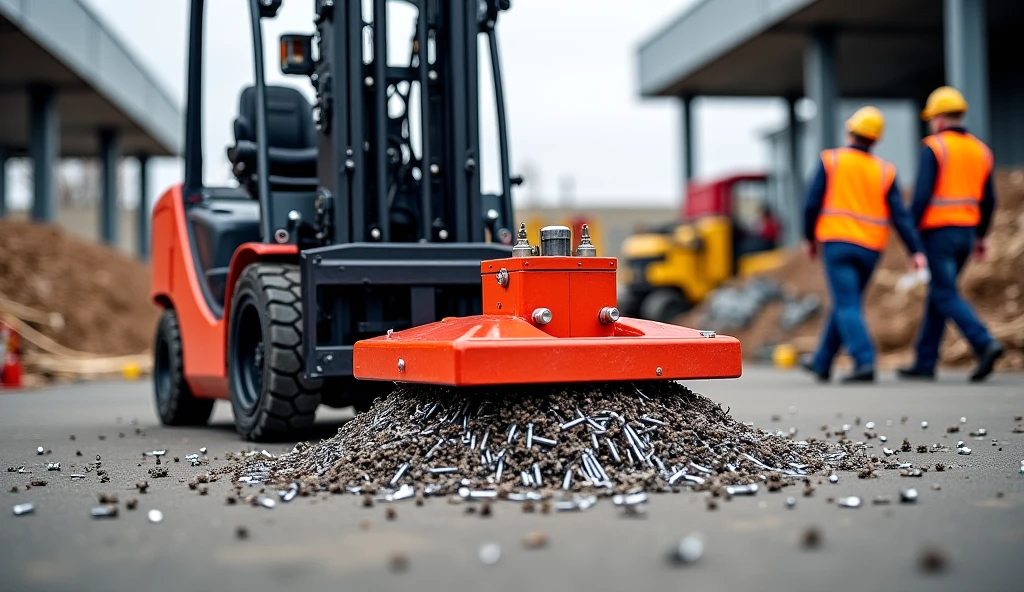
Understanding the types of magnetic sweepers can help you choose the best option for different cleaning needs. Manual magnetic sweepers are perfect for smaller or confined spaces where maneuverability is key. They allow for precise control and are often lightweight, making them easy to handle in tight areas. In contrast, towed magnetic sweepers are better suited for larger areas because of their ability to cover ground quickly and efficiently. These models are attached to vehicles, allowing for seamless movement over expansive spaces such as warehouses or construction sites. The speed and efficiency of towed models reduce cleanup time significantly. Both types of sweepers offer unique advantages, with the choice largely depending on the dimensions and layout of the area that needs cleaning.
Key Components for Efficient Debris Collection
Magnetic floor sweepers are composed of various components that enhance their efficacy in collecting debris. Key among these is the magnet bar, which functions as the core component attracting ferrous materials. Wheels provide mobility, allowing the sweeper to glide over surfaces effortlessly, while a sturdy handle ensures ease of control. The inclusion of a brush system further improves debris collection by dislodging particles embedded in surfaces, making them easier to capture with the magnet. Weight and design are also critical; a balanced design ensures operational efficacy, allowing the sweeper to maintain contact with the ground even on uneven terrain. Optimal design and component synergy are essential for maximizing the performance and efficiency of magnetic sweepers.
Enhanced Safety in High-Risk Environments
Implementing magnetic floor sweepers in workplaces significantly enhances safety by reducing injuries caused by debris. Industries such as construction and manufacturing often face risks from stray metal objects like nails and screws, which can lead to accidents and injuries. Statistics reveal that workplace injuries due to debris have decreased in areas where magnetic sweepers are used, showcasing their effectiveness. According to safety experts, using magnetic sweepers not only minimizes hazards but also promotes a safer working environment by swiftly and efficiently removing potential threats.
Cost Savings and Reduced Maintenance
Embracing the use of magnetic sweepers can lead to substantial cost savings by mitigating debris-related damages and accidents. Traditional cleaning methods often incur higher upkeep costs due to the manual removal of metal debris and equipment damage repairs. Magnetic sweepers provide a more economical alternative with less frequent maintenance requirements. Many businesses that have transitioned to magnetic sweepers report significant reductions in cleaning costs and incident-related expenses, highlighting their financial advantages. Real-life examples emphasize that the initial investment in magnetic sweepers often results in long-term fiscal benefits, especially in high-debris environments.
Versatility Across Surfaces and Industries
Magnetic floor sweepers excel in versatility, making them suitable for a variety of surfaces like asphalt and concrete. Their adaptability ensures that industries ranging from construction and aviation to municipal services can benefit from efficient debris collection. In diverse settings, magnetic sweepers are valued for their ability to function effectively both indoors and outdoors, ensuring comprehensive cleaning capability. This versatility ensures that various sectors can rely on magnetic sweepers to maintain cleanliness and safety, regardless of the specific surface they need to operate on. Consequently, their widespread applicability underscores their utility in maintaining optimal operational conditions across numerous industrial landscapes.
Essential Applications for Magnetic Sweepers
Aviation and Airfield FOD Prevention
Foreign Object Debris (FOD) is a critical issue in the aviation industry, posing significant risks to both aircraft and personnel. Defined as any misplaced object that may damage aircraft during ground operations, FOD can lead to costly repairs, flight delays, and even accidents. Magnetic sweepers play a pivotal role in mitigating these risks by effectively removing metallic debris from runways and surrounding areas. Case studies have shown marked improvements in airfield safety due to their deployment. For instance, one such study highlighted a 70% reduction in FOD-related incidents at a major airport, underscoring the importance of this technology in maintaining high safety standards.
Construction Sites and Manufacturing Facilities
Construction sites and manufacturing facilities are notorious for generating substantial debris, including nails, screws, and other metallic fragments. These can pose safety hazards and lead to equipment damage if not managed properly. Magnetic sweepers are indispensable in these environments, offering a quick and efficient solution for debris management. Construction managers frequently testify to the time-saving benefits these tools provide. For instance, a recent survey indicated that more than 60% of construction managers reported reduced downtime due to debris clearance, thanks to magnetic sweepers. Additionally, experts anticipate that the trend toward automation and smart debris management solutions will continue to grow, further integrating magnetic sweepers into standard operational practices.
Municipal Maintenance and Public Spaces
Municipalities extensively use magnetic sweepers to ensure public safety and maintain clean environments. These tools are integral to successful municipal maintenance programs, as they efficiently clear metal debris from roads, parks, and other public areas. For example, a city in the Midwest implemented a regular sweeping program using magnetic sweepers, which not only boosted community safety but also enhanced the aesthetics of public spaces. The community reported improved pedestrian safety and fewer tire puncture incidents post-implementation. This highlights how magnetic sweepers not only maintain cleanliness but also significantly contribute to the overall quality of life in urban areas by preventing accidents and ensuring public spaces remain welcoming and enjoyable.
Choosing and Maintaining Your Magnetic Sweeper
Factors to Consider When Selecting a Model
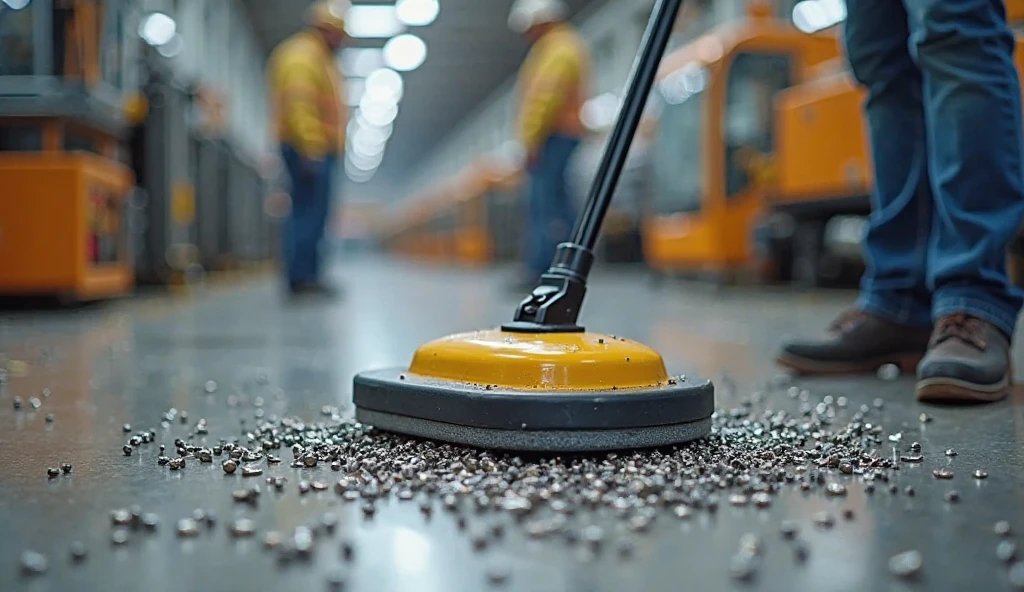
When selecting a magnetic sweeper, there are several factors to consider to ensure you choose a model that best fits your needs. Firstly, assess the size and weight capacity, which directly correlate to the sweeper’s area coverage and the volume of debris it can handle efficiently. Consider the intended application—whether it’s for construction, public spaces, or aviation facilities—as this will guide you in selecting a model with the appropriate features. Industry professionals often suggest comparing various brands and models based on key features such as maneuverability, ease of maintenance, and cost-effectiveness. A comparison of top brands might reveal strengths, like enhanced durability or specialized features tailored for specific environments.
Routine Cleaning and Storage Best Practices
Maintaining your magnetic sweeper regularly will ensure it serves you optimally and lasts longer. Establish a routine cleaning schedule post-use to remove any accumulated debris or dust. This prevents build-up that can hinder the sweeper’s functionality. Proper storage is equally important; ensure the sweeper is stored in a dry place to minimize the risk of rust. Corrosion can compromise the magnet’s strength, so tips on preventing rust include applying rust inhibitors and keeping the magnets dry. Following these hygiene and storage practices is crucial to maintaining the device’s performance and longevity.
Extending Lifespan with Proper Care
Extending the lifespan of your magnetic sweeper involves adopting specific care protocols and avoiding common mishaps. Regular inspection and servicing can preempt issues before they evolve into major problems. One crucial aspect is to avoid dragging the sweeper across extremely rough terrains unnecessarily, which can lead to premature wear. Experts recommend routinely checking for signs of damage and ensuring that bolts and other components are tightened appropriately. Regular servicing by a professional can also identify potential issues early, ensuring that your sweeper remains in peak condition and reducing the likelihood of unforeseen breakdowns.
FAQ
What types of magnets are used in magnetic sweepers?
Magnetic sweepers typically use both permanent magnets, which provide a constant magnetic field without electricity, and electromagnets that require electricity but offer adjustable magnetic force.
How do manual and towed magnetic sweepers differ?
Manual magnetic sweepers are ideal for smaller, confined spaces due to their maneuverability, while towed sweepers are attached to vehicles and are suited for larger areas.
What industries benefit most from magnetic sweepers?
Industries such as construction, aviation, and municipal services benefit significantly from magnetic sweepers due to their efficiency in debris collection and safety enhancement.
How can the lifespan of a magnetic sweeper be extended?
To extend the lifespan of your magnetic sweeper, regularly clean and inspect it, store it in a dry environment, and ensure routine maintenance and servicing.





留下评论