

Understanding Your Custom Packaging Design Goals
Identifying Product-Specific Packaging Requirements
Determining the custom packaging requirements for products involves a detailed understanding of their specific needs. Firstly, consider the physical dimensions and weight of the products to ascertain the appropriate box size and packaging strength. For instance, heavier items may require sturdier materials to ensure durability during transportation. Secondly, assess the fragility of products to select suitable cushioning and protective materials. Fragile items might need additional layers of bubble wrap or foam inserts to safeguard them from damage. Lastly, understand the product’s shelf life and environmental conditions to choose materials that maintain longevity and freshness. This might involve opting for moisture-resistant or UV-protective materials to preserve product quality over time.
Aligning Box Design with Brand Identity
Aligning the packaging design with your brand identity involves thoughtful integration of brand elements and consumer preferences. Start by incorporating brand colors and logos prominently on the packaging to enhance recognition and familiarity among your target audience. This visual consistency strengthens brand recall and customer loyalty. Next, reflect your brand values and story through the choice of packaging materials and design features. For example, using eco-friendly materials might convey a commitment to sustainability. Finally, evaluate customer perception and feedback on current packaging, making adjustments as needed to better align with the desired brand image. Regularly gathering consumer insights can inform design iterations that resonate more effectively with your audience.
Balancing Aesthetics and Functionality
Achieving the perfect balance between aesthetics and functionality in packaging design is crucial for both customer appeal and practicality. It involves designing packaging that stands out visually while remaining user-friendly and efficient. Consider factors such as the ease of opening and resealing the package, ensuring a pleasant user experience. Additionally, test packaging designs for both visual impact and functional performance in real-world applications. This can involve prototype testing to evaluate durability, ease of use, and aesthetic appeal under various conditions. By continually refining these elements, businesses can create packaging solutions that captivate consumers while serving practical needs.
Essential Steps for Creating Logo-Enhanced Packaging
Selecting Optimal Logo Placement Strategies
Choosing the right placement for your logo on packaging is crucial for visibility and branding. Consider different positions on the box, such as the front, top, or sides, to maximize visibility. Testing logo visibility from various angles ensures it captures attention on retail shelves. Additionally, balance the size and spacing of the logo concerning other design elements to create a harmonious layout. This strategy not only strengthens brand presence but also ensures that the packaging is visually appealing and functional.
Choosing Color Schemes That Enhance Visibility
Color plays a vital role in packaging design, especially when optimizing visibility. Employ contrasting colors that align with your brand identity while standing out on shelves. Research color psychology to evoke specific emotional responses from consumers, thereby influencing their purchasing decisions. Experimenting with different finishes, such as matte or gloss, can further enhance color visibility and richness. This approach ensures that your packaging engages customers visually and emotionally, driving brand recognition and sales.
Ensuring Scalability Across Packaging Sizes
Ensuring that logos and graphic elements are scalable across varying packaging sizes is essential for maintaining brand consistency. Design logos so that they adapt effectively to different dimensions without losing impact. This involves maintaining high-quality graphics to prevent pixelation or distortion when scaled. Additionally, standardize elements across product lines to ensure consistency and uniformity in brand presentation. Such strategies ensure that your packaging remains effective and attractive, regardless of size or format, which is crucial for cohesive brand communication.
Material Selection for Branded Packaging Solutions
Comparing rigid vs folding box options
Choosing the right material for packaging is crucial for shaping the perception of the product. Rigid boxes are often preferred for high-end products as they offer superior strength and form, creating a sense of luxury and quality. In contrast, folding boxes are more cost-effective and space-saving, ideal for products where storage efficiency is paramount. They provide flexibility in branding and marketing strategies, allowing businesses to opt for a format that aligns with their target audience and brand ethos. Evaluating the balance between these options is essential to craft packaging that meets both functional and aesthetic requirements.
Eco-friendly materials for sustainable branding
As consumers become increasingly environmentally conscious, using eco-friendly materials in packaging has become vital for brand sustainability. Brands should explore alternatives such as recyclable and biodegradable materials to replace traditional packaging solutions. Highlighting certifications of these materials, such as FSC or Green Seal, can effectively communicate a brand’s commitment to sustainability. Additionally, collaborating with suppliers who prioritize eco-friendly practices ensures that the entire production process aligns with ecological goals. This approach not only appeals to environmentally-savvy consumers but also strengthens a brand’s sustainable image in a competitive market.
Durability considerations for shipping protection
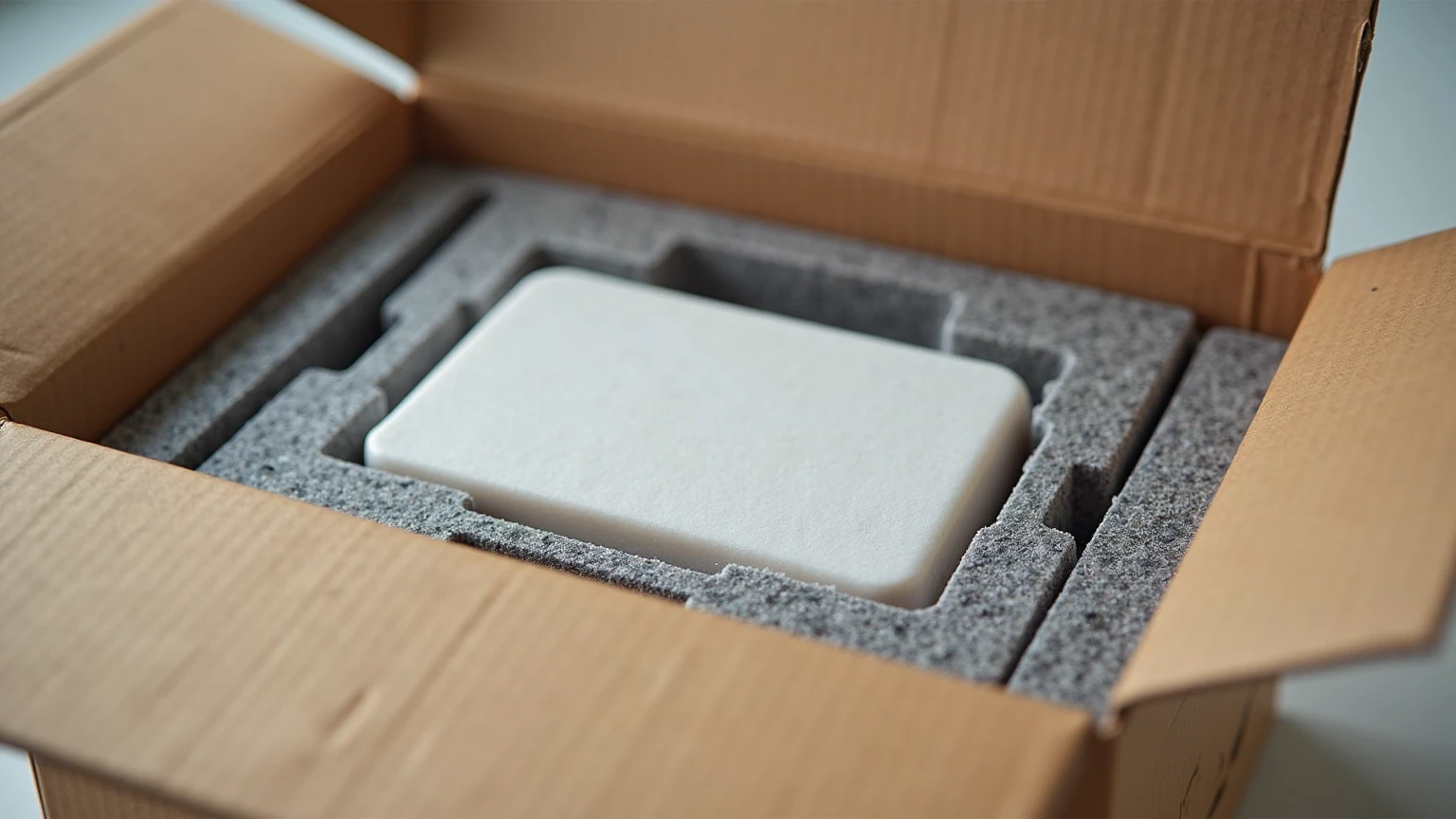
Durability is a key factor when selecting packaging materials, especially for products that need to be shipped long distances. Materials must withstand harsh shipping conditions, ensuring products remain intact. Rigorous testing should be conducted under various conditions to identify potential weaknesses. It’s also essential to consider environmental factors like moisture and heat, which can affect the integrity of the packaging. By selecting materials that offer robust protection, brands can minimize shipping-related damages and ensure product safety, enhancing customer satisfaction and trust in the brand’s reliability.
Implementing Effective Branding Techniques
Incorporating Secondary Branding Elements
To enhance customer interaction and extend brand presence, incorporating secondary branding elements is essential. Businesses can add QR codes or social media handles to packaging, which directs customers to online platforms fostering interactive engagement. Utilizing secondary graphics, such as icons or subtle imagery, can reinforce brand messages and convey additional information effectively. However, it is crucial to ensure these elements complement the primary branding elements like logos and colors to maintain a cohesive and consistent brand appearance.
Utilizing Texture and Finish for Premium Appeal
Exploring various textures and finishes can significantly elevate the perceived value of packaging. Tactile finishes like embossing or debossing add a luxurious touch, enhancing the customer’s sensory experience with the product. Depending on the brand image or product type, choosing between matte and glossy finishes can further differentiate and define brand identity. It’s important to test different textures to find the perfect combination that complements the overall packaging design and aesthetic, ensuring it aligns with the premium appeal desired.
Maintaining Brand Consistency Across Packaging
Ensuring brand consistency across all packaging is vital for strengthening brand recognition and loyalty. Establishing clear brand guidelines that dictate logos, colors, and fonts helps maintain uniformity. Regularly auditing packaging designs ensures adaptability while staying true to the core brand identity. Moreover, engaging consumers for feedback can provide insights into what aspects of branding resonate, allowing for adjustments that keep branding elements relevant and effective.
Sustainability in Custom Packaging Design
Meeting consumer demand for eco-conscious packaging
Addressing the growing demand for eco-conscious packaging is crucial in today’s market, where consumers increasingly prefer sustainable options. Research consistently indicates that environmental consciousness influences purchasing decisions; thus, brands should align their packaging strategies accordingly. Innovations in packaging that minimize environmental impact while still appealing to target audiences are essential. For example, Thinkink Packaging has developed recyclable and biodegradable Custom Frozen Food Boxes that maintain product integrity while reducing ecological effects. Incorporating consumer feedback is also vital in steering sustainable packaging choices, ensuring that solutions not only meet environmental standards but also cater to consumer desires for greener products.
Reducing waste through smart design choices
Reducing waste in packaging initiatives can be achieved through smart design choices. Emphasizing design efficiencies, such as minimalistic approaches that cut down on material usage, can significantly reduce the environmental footprint. Additionally, multifunctional designs that promote reuse can substantially decrease waste. Cooperating with suppliers to find ways to reduce materials and optimize shipping processes is another pragmatic approach. This collaborative model ensures beneficial outcomes for the planet and businesses alike by reducing costs associated with material use and shipping, while maintaining a strong commitment to sustainability.
Certifications for environmentally friendly materials
Certifications like FSC and Cradle to Cradle play a pivotal role in verifying the use of environmentally friendly materials. These certifications can reinforce the credibility of sustainability claims and form a critical part of marketing strategies aimed at environmentally conscious consumers. Understanding certification requirements helps guide the selection of materials in the packaging design process, aligning packaging practices with widely recognized eco-friendly standards. By integrating these certifications into their marketing efforts, companies can attract a broader base of eco-conscious customers, enhancing their market positioning while contributing positively to environmental sustainability.
FAQ
What factors should I consider for custom packaging design?
You should consider product dimensions, weight, fragility, shelf life, branding elements, aesthetics, functionality, and consumer feedback.
How can packaging align with my brand identity?
Integrate brand colors and logos, use materials that reflect brand values, and stay responsive to consumer perceptions and feedback.
Why is the choice of materials important?
Material selection affects durability, eco-friendliness, cost, and consumer perception of quality.
How can I ensure sustainability in packaging?
Use eco-friendly materials, reduce waste with efficient designs, and choose certified sustainable options.
Are there ways to reduce waste in packaging?
Yes, through minimalistic design, reusable elements, and supplier cooperation for optimized shipping processes.





留下评论