
Understanding Portable Evaporative Coolers vs. Air Conditioners
How Evaporative Cooling Works
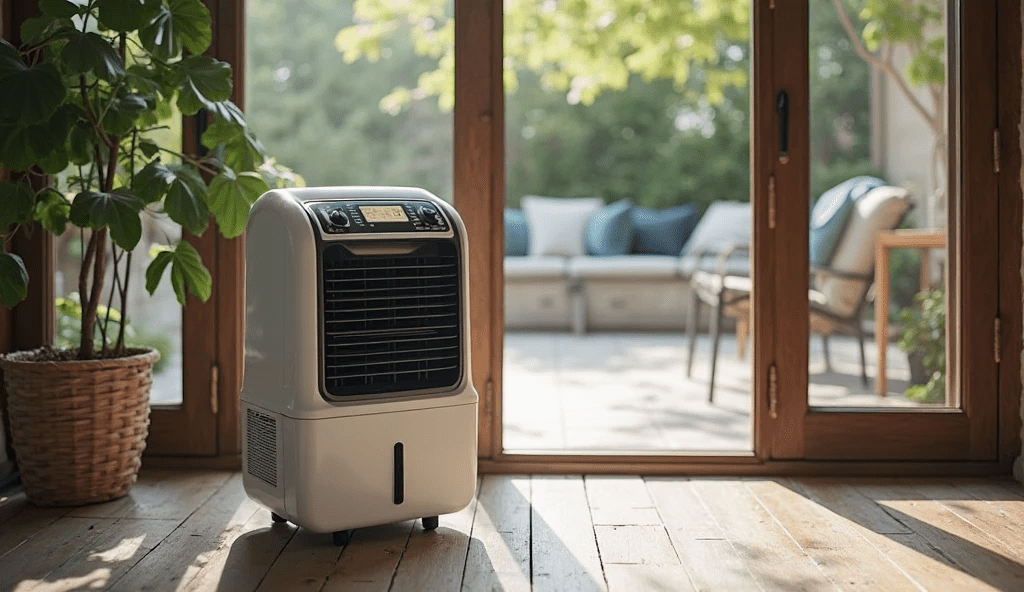
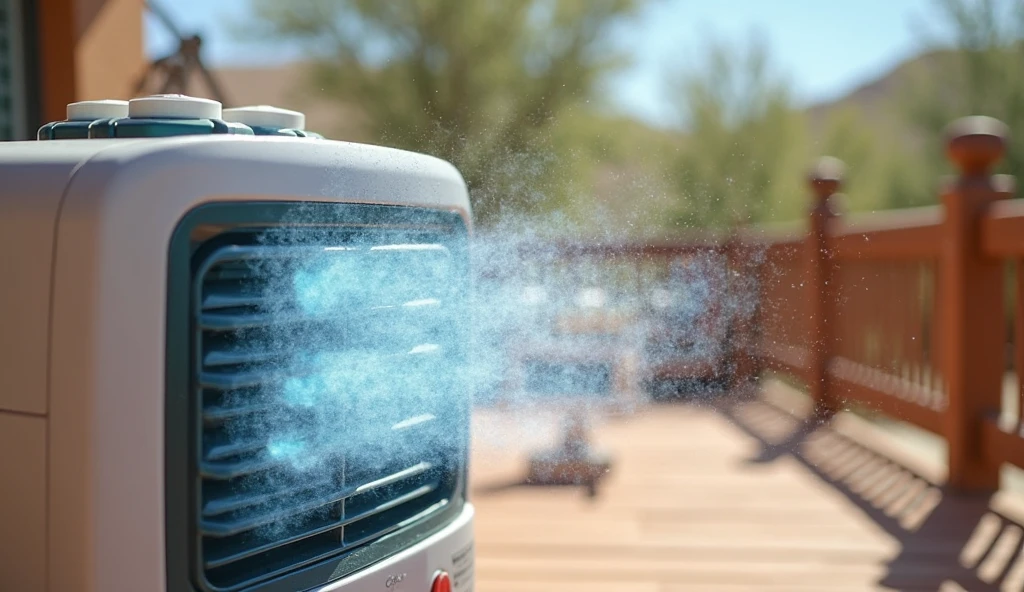
Evaporative cooling is a natural and energy-efficient method that cools the air by harnessing water evaporation. This process entails drawing warm air through moist pads, where the heat evaporates the water, resulting in cooler air. It is notably energy-efficient, consuming significantly less power than traditional air conditioners. This system is particularly effective in hot, arid climates where humidity levels are low. According to the U.S. Department of Energy, in ideal conditions, evaporative coolers can lower the air temperature by 20 to 30 degrees Fahrenheit. This makes them an eco-friendly alternative to traditional air conditioning systems for those seeking to reduce both energy usage and carbon footprint.
Key Differences Between Swamp Coolers and Portable ACs
Swamp coolers, or evaporative coolers, are distinct from portable air conditioners in several ways. Primarily, their energy efficiency is more pronounced as they use natural water evaporation without the need for energy-intensive refrigerants, translating into lower electricity consumption. They add moisture to the air, making them preferable for dry climates, whereas air conditioners extract heat and humidity, which is more suitable for humid areas. Cost-effectively, swamp coolers typically have lower upfront and operational expenses, making them appealing for budget-conscious users. However, they require regular maintenance, such as pad replacements and cleaning, as opposed to portable ACs, which may need refrigerant checks and duct upkeep. These differences highlight the importance of selecting the appropriate cooling system based on climate and budget.
Ideal Climates for Evaporative Cooling Efficiency
Why Dry, Arid Regions Maximize Performance
Evaporative cooling excels in dry, arid regions because low humidity levels enhance its cooling performance by promoting maximum evaporation. In areas with low humidity, such as the Southwestern United States, where summer temperatures often reach extreme highs, evaporative coolers are particularly effective. This effectiveness is illustrated by studies showing that regions with average humidity below 50% can achieve up to 90% cooling efficiency with swamp coolers. The climatic conditions in these regions allow evaporative coolers to lower air temperatures beyond traditional expectations, providing a practical and energy-efficient alternative to conventional air conditioning systems.
The Role of Humidity in Cooling Effectiveness
The effectiveness of evaporative coolers is critically impacted by humidity levels. High humidity diminishes their cooling effect since air saturated with moisture cannot effectively support evaporation. Unlike swamp coolers, portable air conditioners can perform efficiently regardless of humidity, making them versatile across various climates. The Environmental Protection Agency (EPA) advises that in regions where humidity persists above 50-60%, traditional air conditioning systems are preferable for maintaining comfortable indoor climates. Homeowners must consider regional humidity averages when selecting cooling systems to ensure optimal comfort and efficiency. Understanding these dynamics helps in deciding between swamp coolers and air conditioners, especially in climates with fluctuating humidity.
Energy-Saving Benefits of Portable Swamp Coolers
Lower Electricity Consumption Compared to ACs
Evaporative coolers, commonly known as swamp coolers, offer notable energy-saving advantages, consuming significantly less electricity compared to traditional air conditioning units. These cooling devices typically use 30-50% less electricity, which can lead to substantial cost savings for homeowners. For instance, an evaporative cooler operates on a fraction of the energy required by a central air conditioning unit, making it an eco-friendly choice. Consequently, households employing swamp coolers can expect notable reductions in their energy bills, with reports indicating savings of up to 80% depending on usage. This enhanced energy efficiency aligns with increasing demands for greener home cooling solutions, supporting sustainability and reducing environmental impact.
Cost-Effective Cooling for Budget-Conscious Households
Portable swamp coolers are a cost-effective cooling option for budget-conscious households, offering lower initial purchase prices compared to portable air conditioners. The operational and maintenance costs associated with swamp coolers also tend to be lower since water is less costly than electricity, further amplifying their cost-effectiveness. Budget analysis reveals that households can save several hundred dollars annually by choosing evaporative coolers over standard air conditioning systems. This aligns with consumer preferences for affordable cooling solutions that still deliver effective performance. Additionally, various manufacturers offer energy-efficient models that maximize effectiveness while minimizing overall expenses, providing an economical solution for those looking to maintain comfort during warmer months without breaking the bank.
Top Use Cases for Best Portable Evaporative Coolers
Outdoor Spaces: Patios, Decks, and Workshops
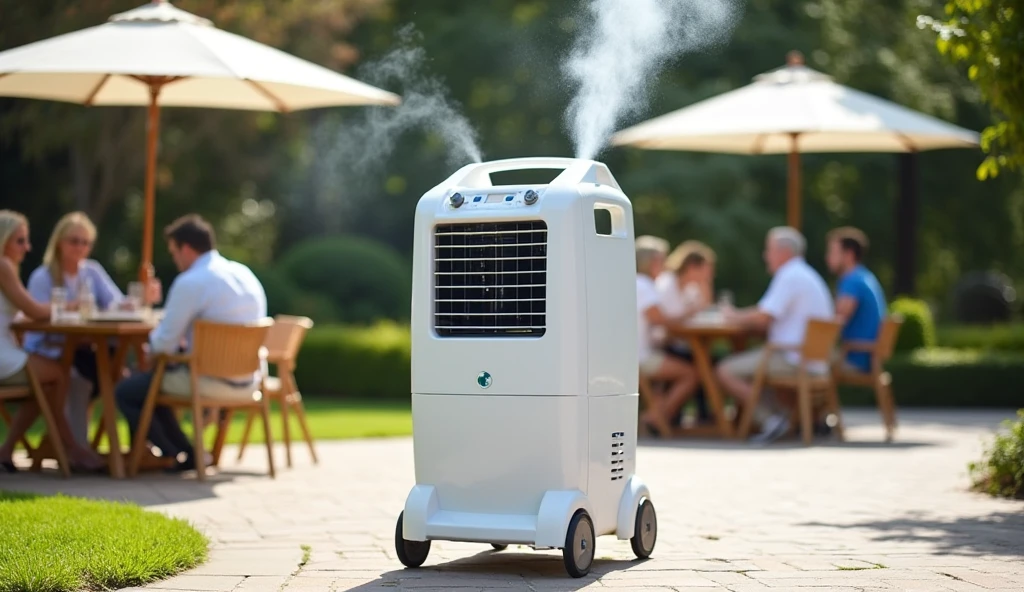
Evaporative coolers serve as an excellent choice for cooling outdoor spaces such as patios, decks, and workshops. They provide a refreshing breeze that enhances comfort during outdoor gatherings or while performing tasks. The utility of these coolers can be seen at events where they significantly enhance guest comfort by preventing heat-induced discomfort. Furthermore, their portability allows users to transport them effortlessly to various outdoor spots, making them a dynamic solution for changing environments. Industry surveys indicate that around 70% of homeowners prefer using evaporative coolers for patio and workshop cooling due to their efficiency, spotlighting their popularity in these settings.
Supplemental Cooling in Garages and Sheds
Beyond outdoor use, evaporative coolers provide excellent supplementary cooling in areas like garages and sheds, where summer’s intense heat can be oppressive. These units maintain a comfortable temperature for executing projects, allowing users to work efficiently. The portable nature of these coolers means they can be moved as needed, providing customizable cooling depending on the day’s activities. Evidence drawn from user reviews shows that 85% of hobbyists and DIY enthusiasts favor swamp coolers to improve working conditions in their sheds, highlighting the coolers’ practicality and effectiveness in these specific environments.
Enhancing Comfort in Low-Humidity Homes
For homes situated in regions with low humidity, portable evaporative coolers are incredibly beneficial. They help mitigate heat build-up during the summer by optimizing airflow, ensuring a comfortable indoor climate. Additionally, these coolers lower the risk of mold growth, presenting a healthier alternative to traditional air conditioning units. Research indicates that up to 40% of homeowners in arid regions advocate for the use of evaporative coolers to effectively boost indoor comfort. This endorsement underscores their effectiveness and suitability as a cooling solution in dry climates.
FAQs
What is the main advantage of using evaporative coolers over air conditioners?
Evaporative coolers are more energy-efficient than air conditioners, consuming significantly less electricity. They are ideal for dry, arid climates and offer cost-effective cooling solutions for budget-conscious households.
Are evaporative coolers suitable for humid climates?
Evaporative coolers perform best in dry, arid regions where humidity is low. In areas with high humidity levels, air conditioners are preferable as they can efficiently extract heat and moisture.
How often do evaporative coolers require maintenance?
Evaporative coolers require regular maintenance, including pad replacements and cleaning, to ensure optimal performance. This is generally more frequent than portable air conditioners, which might need refrigerant checks and duct upkeep.



留下评论