

Understanding Color-Coded Waste Bin Systems
The Purpose of Standardized Bin Colors
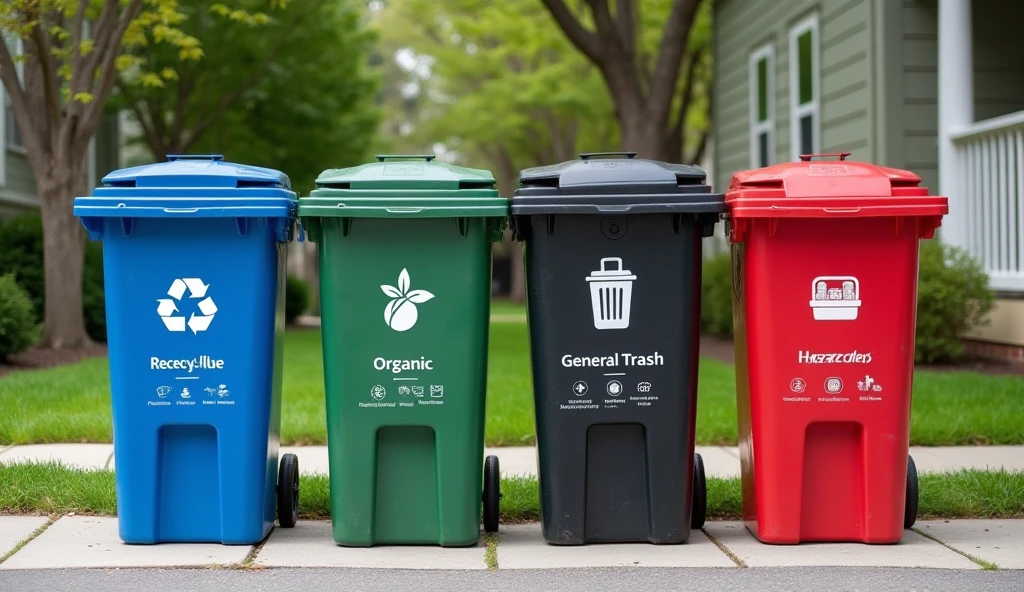
Standardized bin colors act as an essential visual guide that simplifies the waste sorting process for the public. By assigning different colors to various waste types, individuals are empowered with the knowledge necessary to correctly dispose of materials, thus promoting higher recycling rates. Standardized colors help to distinguish between categories, such as blue for paper, green for glass, and brown for organic waste, transforming complex sorting tasks into intuitive actions. When local councils adopt consistent color standards, they foster a widespread understanding within communities, making it easier for residents to participate in effective waste management practices. This approach has been supported by studies demonstrating that communities with standardized bin colors display higher levels of recycling awareness and lower rates of improper waste disposal.
How Color Coding Reduces Recycling Contamination
Color-coded bins play a pivotal role in reducing recycling contamination by guiding recyclables into their correct channels, significantly lowering the chances of cross-contamination. Clear visual prompts offered by these bins help reduce mistakes made during the waste sorting process, leading to cleaner recycling streams. A study highlighted in the Journal of Environmental Management showed that areas implementing color-coded systems see a marked improvement in the accuracy of waste sorting, thus enhancing the overall efficiency of waste-processing facilities. Furthermore, such systems simplify the recycling process for the public, making it easier for them to dispose of recyclables correctly, thereby contributing positively to environmental benefits. With reduced contamination, recycling facilities operate more efficiently, ensuring that more resources are recovered and less waste is sent to landfills.
Common Types of Bins and Their Specific Uses
General Waste (Black/Grey Bins)
General waste bins are essential for disposing of non-recyclable materials that cannot be reused or recycled, such as particular types of plastics and food wrappers. These bins play a critical role in managing waste efficiently by separating non-recyclable items from those that can be repurposed, thereby minimizing the volume of waste ending up in landfills. Understanding what items to place in black and grey bins is crucial to ensure waste management practices are effective and environmentally responsible.
Recycling (Blue Bins: Paper, Plastic, Glass)
Blue recycling bins are designated for recyclable materials, including paper, plastics, and some glass items. These bins are integral to effective recycling programs by ensuring that these materials are correctly sorted and processed. It is important to familiarize yourself with local recycling regulations, as they can vary by region regarding what qualifies as recyclable material. Local guidelines help maximize recycling efforts and contribute to environmental conservation by reducing waste and conserving resources.
Organic Waste (Green Bins: Food and Garden Waste)
Green bins are specifically used for organic waste like food scraps and garden waste, promoting composting initiatives. These bins facilitate the conversion of organic material into nutrient-rich compost, offering substantial benefits such as reducing landfill waste and enhancing soil quality in community gardens and agriculture. Implementing a green bin program encourages sustainable habits and provides ecological advantages by repurposing organic waste into valuable compost for the community.
Specialty Bins (Batteries, Textiles, E-Waste)
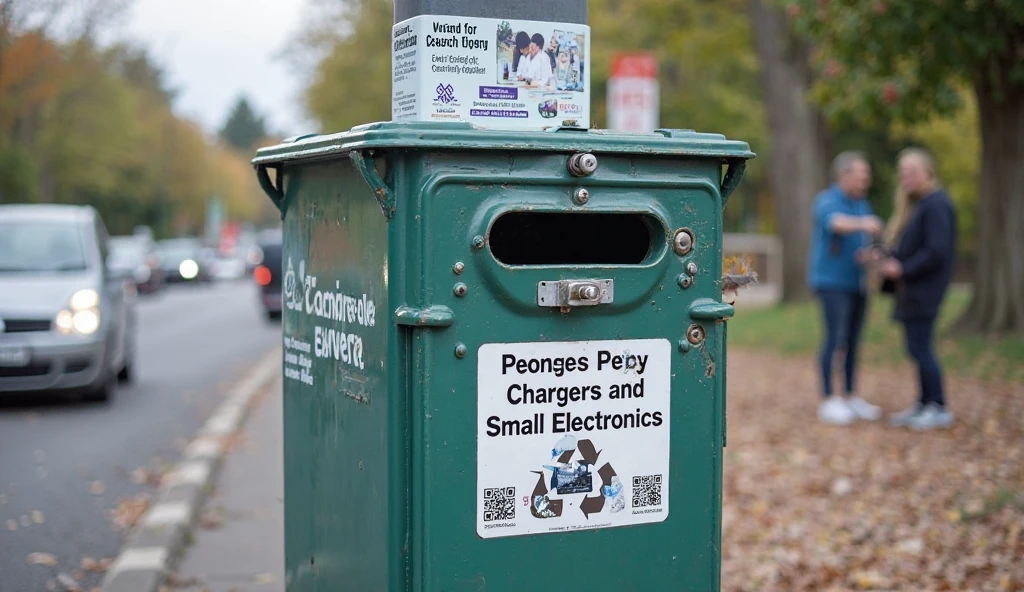
Specialty bins cater to unique waste types such as batteries, textiles, and electronic waste, each requiring specific disposal methods to prevent environmental contamination. These bins are crucial for managing hazardous waste and preventing it from entering landfills. Understanding and utilizing specialty bins help in safely disposing of these materials, safeguarding the environment and ensuring compliance with waste disposal regulations designed to protect public health and ecosystems.
Best Practices for Effective Waste Sorting
Avoiding Cross-Contamination: Do’s and Don’ts
Effectively sorting waste is crucial in minimizing contamination and ensuring that recycling efforts are successful. To achieve this, communities need to be educated on the critical do’s and don’ts of waste sorting. Promoting the use of visual guidelines and conducting community workshops can significantly reinforce proper waste sorting practices. Visual aids such as charts and labels on bins can serve as everyday reminders for citizens, while hands-on workshops can provide a deeper understanding and engage people in active participation. By instilling these practices, communities can dramatically reduce the risk of contamination, ensuring that waste goes to the correct recycling streams and ultimately, reducing landfill contributions.
Preparing Materials for Proper Disposal
For materials to be successfully recycled, preparing them correctly for disposal is essential. One key practice is to ensure that all recyclables like containers are thoroughly rinsed out and cleaned. This prevents contamination and increases recyclability, enhancing resource recovery. Residents are encouraged to familiarize themselves with local guidelines to understand specific preparation steps necessary for different materials. Such knowledge aids effective waste management by ensuring that recycled items meet the cleanliness standards needed for efficient processing, thereby minimizing waste and maximizing the effectiveness of recycling efforts.
Using Local Pharmacy Services (e.g., CVS for Medication Waste)
Local pharmacies like CVS play a pivotal role in the safe disposal of medication waste, addressing a significant community health concern. These pharmacies often provide convenient drop-off programs for unused or expired medications, ensuring they are disposed of safely and responsibly. Promoting awareness of such services is vital to increase community engagement in waste management efforts. Residents should be informed about these pharmacy programs as an integral part of responsible waste disposal, which helps prevent pharmaceutical contamination in the environment and promotes public health safety.
Adapting to Regional Waste Management Rules
Council Variations in Bin Requirements
Different councils often have unique specifications regarding waste bin types, which necessitates a heightened community awareness and engagement in educational campaigns. This variation can include the number, color, and designated use of the bins, demanding residents’ familiarity with their local regulations to ensure proper compliance and effective recycling efforts. For instance, some councils may provide separate containers for specific materials like paper or food waste, as seen in recent policies introduced in certain areas of the UK. By staying informed about their respective council’s waste management guidelines, residents can better contribute to recycling initiatives and help reduce contamination and waste.
Finding Local Guidelines (CVS Pharmacy Hours for Hazardous Drop-Offs)
Accessing local guidelines on the disposal of hazardous waste is vital for community safety and environmental protection. Pharmacies like CVS often offer crucial services by acting as drop-off locations for medicine and other hazardous materials. It’s essential that communities are informed not only about these services but also about the CVS pharmacy hours to facilitate organized and safe disposal practices. By planning visits according to the availability of such facilities, residents can ensure that hazardous waste is disposed of properly, reducing risks to both public health and the environment. This information can typically be found on pharmacy websites or through community bulletins, empowering residents to take proactive roles in managing hazardous waste.
FAQ
What do the different bin colors represent?
Different bin colors represent various waste types: blue for paper, green for glass and organic waste, and black/grey for general waste, helping individuals dispose of materials correctly and promoting recycling.
How does color coding help in recycling?
Color coding helps reduce recycling contamination by guiding recyclables into correct channels, lowering cross-contamination chances, thus enhancing recycling efficiency and environmental benefits.
What are the benefits of using green bins for organic waste?
Green bins facilitate composting initiatives by converting organic waste into nutrient-rich compost, reducing landfill waste, and enhancing soil quality in community and agricultural settings.
Can pharmacies like CVS help with medication disposal?
Yes, many local pharmacies such as CVS provide drop-off programs for unused or expired medications, ensuring safe and responsible disposal to prevent pharmaceutical contamination.
Why is it important to follow council-specific bin guidelines?
Following council-specific bin guidelines ensures compliance, effective recycling, and reduces contamination and waste, as councils may have different specifications for waste bin types.





留下评论