

Understanding Different Floor Surfaces
When choosing caster wheels, the type of floor surface plays a crucial role in determining their performance and durability. This section explores various floor types and how they impact the selection of appropriate caster wheels.
Hard Floors: Wood, Tile, and Concrete
Hard floors are typically made from materials such as wood, tile, and concrete. These surfaces have unique properties, including scratch resistance and wear durability, that can affect the performance of caster wheels. For example, hardwood floors can be easily scratched by harder wheel materials like nylon, while softer materials such as urethane offer better protection and traction. According to industry experts, rubber wheels are preferable for wooden surfaces to prevent damage. Furthermore, using the right wheel type can significantly reduce maintenance costs and prolong the lifespan of the casters.
Soft Floors: Carpet and Vinyl Considerations
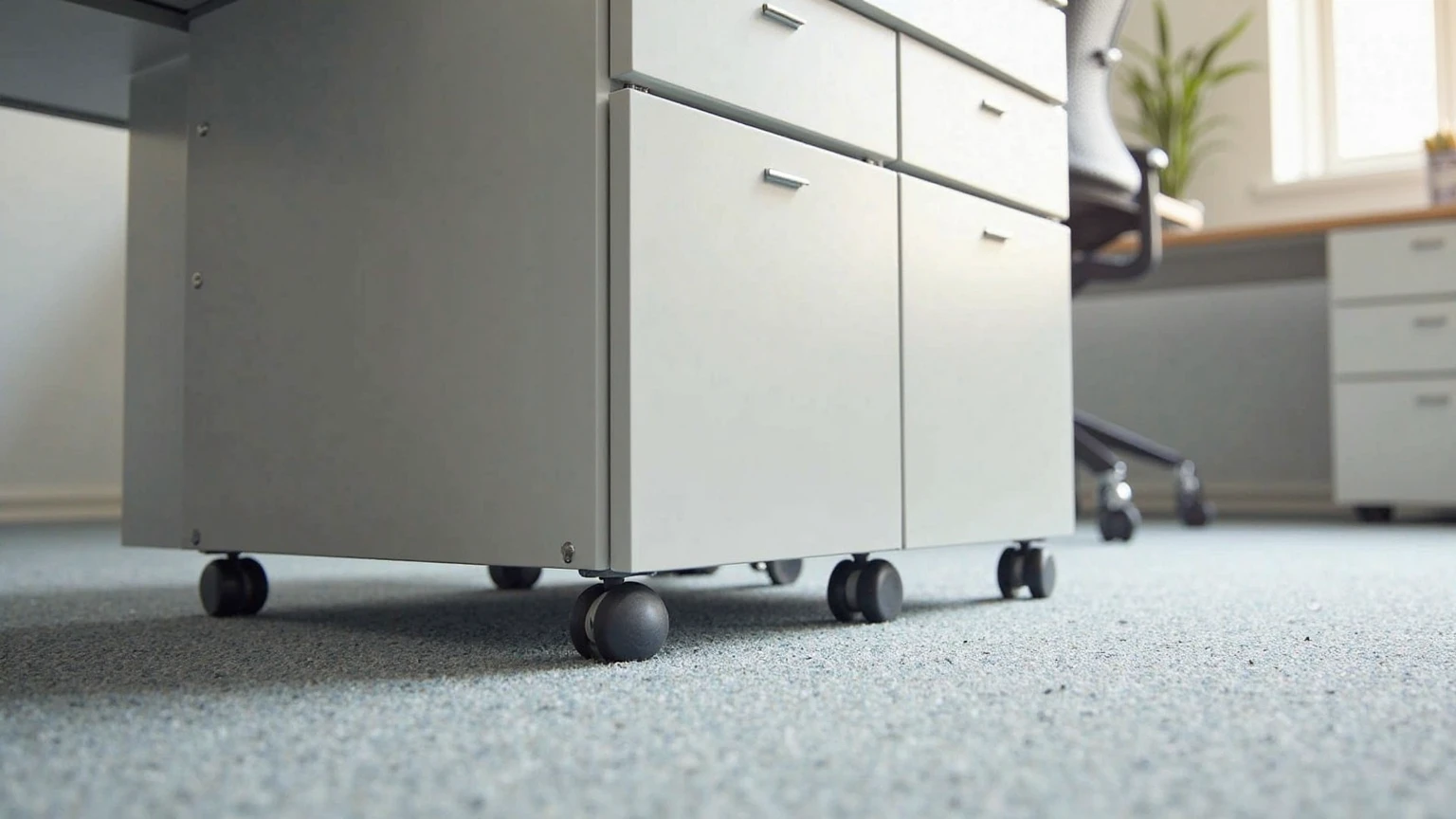
Soft floors like carpet and vinyl pose different challenges for wheeled furniture. Carpets may cause furniture to sink, while vinyl can sometimes leave marks. To address these issues, it’s recommended to use hard wheels on soft surfaces. Larger wheels are particularly advantageous on carpets, allowing casters to maintain traction over varying pile heights. Studies suggest that the right choice of casters can minimize disruption and improve furniture mobility, leading to more efficient operations. It’s imperative to consider these factors to enhance the usability and appearance of your furniture.
Outdoor and Rough Terrain Challenges
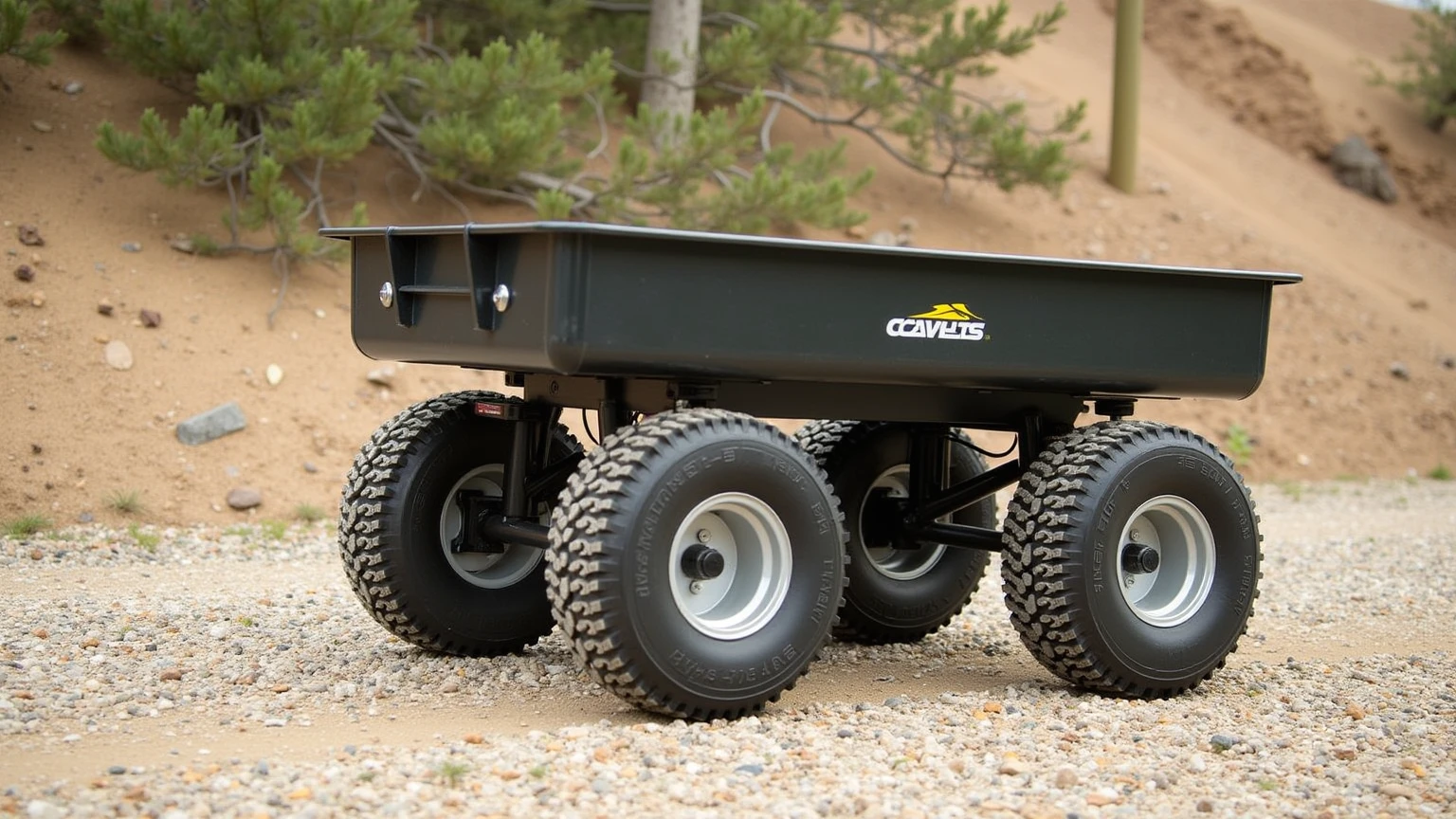
Outdoor environments and rough terrains present unique challenges, requiring casters that can navigate uneven surfaces and weather conditions. These terrains demand larger wheels and durable materials designed to withstand wear and tear. Options such as pneumatic casters are often suggested due to their ability to adapt to fluctuating landscapes. Industry reports highlight the importance of selecting casters that offer robust performance in these challenging environments, ensuring smooth transportation and increased productivity. Understanding the right caster wheels for outdoor applications can significantly improve the efficiency and durability of your equipment.
Caster Wheel Materials and Performance
Rubber Wheels: Protection and Noise Reduction
Rubber wheels are highly valued for their protective nature and ability to significantly reduce noise levels. These wheels are particularly effective in minimizing friction and abrasion on delicate floors, such as hardwood, thereby preventing unwanted scratches. Statistical evidence supports their performance; for instance, certain manufacturers report noise reduction by up to 25% in various environments, making them essential in settings where silence is crucial, such as healthcare facilities. In these settings, rubber wheels provide a tranquil environment necessary for patient care, thereby ensuring the mobility of equipment without disturbing occupants.
Nylon and Polyurethane: Durability on Smooth Surfaces
Nylon and polyurethane wheels excel in durability when used on smooth surfaces. These materials offer remarkable resistance to chemicals, reducing the risk of damage in industrial settings, and they enable easy maneuverability. For example, nylon casters are often utilized in warehouses due to their strength against wear and tear. Polyurethane wheels are praised for their shock absorption and load-bearing capacity, as evidenced in numerous industrial scenarios where they have successfully enhanced operational efficiency. Testimonials from industry leaders cite these materials as reliable choices, underscoring their importance for applications demanding resilience.
Metal Casters: Heavy-Duty Applications
Metal casters are indispensable in heavy-duty applications thanks to their outstanding weight capacity and robustness. These casters are capable of supporting significant loads, as evident in manufacturing plants where equipment can weigh thousands of pounds. Business case studies highlight the reliance on metal casters to enhance operational efficiency and maintain safety standards. While metal casters offer incredible strength and longevity, they tend to be less forgiving on delicate surfaces and may be prone to rust without proper maintenance. Nevertheless, for demanding environments requiring high endurance, metal casters remain the preferred choice, balancing strength and practicality.
Key Selection Criteria for Caster Wheels
Weight Capacity and Load Distribution
Understanding weight capacity is crucial when selecting caster wheels, as it directly impacts safety and functionality. To ensure the efficient operation of any equipment relying on casters, one must know the maximum load each caster can handle. This knowledge helps in preventing overloading, which could lead to caster failure and potential accidents. A general formula to calculate load distribution involves dividing the total load by the number of casters, adjusting for the distribution based on caster arrangement. Industry standards, such as those outlined by the American National Standards Institute (ANSI), offer guidelines for assessing wheel load capacity to ensure a safe usage environment.
Wheel Diameter for Maneuverability
The diameter of caster wheels significantly affects maneuverability across different environments. Larger wheels generally offer easier navigation over obstacles and uneven surfaces, while smaller wheels are often better suited for tight spaces with high precision requirements. Whether navigating a crowded office or maneuvering a cart in a warehouse, the right wheel size can greatly enhance ease of turning and movement. Experts suggest that environments with frequent turns and confined spaces may benefit more from smaller wheel diameters, while larger diameters are ideal for smooth, expansive terrains.
Swivel vs. Rigid Casters: Flexibility Needs
Swivel and rigid casters serve distinct purposes, each offering unique functional benefits. Swivel casters allow for 360-degree rotation, providing excellent mobility and flexibility, which is ideal for navigating complex paths or tight areas. Conversely, rigid casters offer linear movement, making them perfect for applications requiring strong directional stability, such as in heavy-duty industrial platforms. In furniture design, for example, swivel casters might be used for items needing frequent repositioning, while rigid casters are preferred for stability. A common misconception is that swivel casters lack robustness compared to rigid ones, yet both types are critical in their respective applications depending on movement and stability needs.
Maintenance Tips for Optimal Performance
Regular Cleaning and Inspection Routines
Regular maintenance is crucial for extending the lifespan of caster wheels and ensuring their optimal performance. Establishing a consistent cleaning and inspection routine helps prevent dirt buildup and detect early signs of wear. Here is a suggested checklist you can follow:
1. Frequency: Aim to inspect casters every three months, or more often in high-usage scenarios.
2. Key Areas to Check: Examine the wheel treads for embedded debris, check for cracks or signs of stress, and ensure that the swivel bearings operate smoothly.
3. Cleaning Methods: According to industry best practices, use a mild detergent for general cleaning, and avoid harsh chemicals that can degrade wheel material.
By adhering to manufacturer recommendations and these practices, you can maximize the durability and functionality of your casters, reducing the risk of accidents and costly replacements.
Replacing Worn or Damaged Wheels
Knowing when to replace worn or damaged caster wheels is critical for maintaining safety and efficiency. Indicators that replacement is needed include visible wear, cracks, and poor rolling or swiveling performance. Follow this step-by-step guide to replace caster wheels properly:
1. Identify the Damaged Wheel: Spin each wheel to check for resistance or noise, signs that they may need replacement.
2. Remove the Old Wheel: Use a wrench or screwdriver to unscrew the axle or brackets holding the wheel in place.
3. Install the New Wheel: Align the new wheel and secure it with the same hardware, ensuring a tight fit without being overly restrictive.
Statistics show that performance can degrade by as much as 20% due to worn wheels, affecting maneuverability and increasing the likelihood of equipment failure.
Lubrication Techniques for Longevity
Proper lubrication techniques are essential for reducing friction and wear on caster wheels, which enhances performance and extends their lifespan. Different caster types and materials require specific lubrication practices:
- Steel Casters: Use heavy-duty lubricants like lithium-based grease for metal components to ensure smooth movement.
- Rubber and Plastic Wheels: Opt for silicone-based lubricants to prevent material degradation.
- Swivel Bearings: Apply a small amount of light machine oil to maintain easy swivel action.
Expert advice suggests that regular lubrication can increase caster lifespan by up to 30%, highlighting the importance of selecting suitable lubricants for specific caster materials. Implementing these techniques as part of your maintenance routine will ensure that your casters remain in peak condition for longer periods.
FAQ Section
What type of caster wheels should be used on hardwood floors?
For hardwood floors, rubber wheels are recommended as they prevent scratches and provide good protection and traction.
Which type of caster wheels are best for carpeted floors?
Hard wheels, along with larger diameters, are suggested for carpeted floors since they reduce sinking and improve furniture mobility.
How often should caster wheels be inspected?
Caster wheels should be inspected every three months, or more frequently in cases of high usage, to ensure optimal performance.
What are some indicators that caster wheels need replacement?
Indicators include visible wear, cracks, and poor rolling or swiveling performance, suggesting it’s time for a replacement.
Are metal casters suitable for all surfaces?
Metal casters are extremely robust and suitable for heavy-duty applications but can be harsh on delicate floors, requiring proper maintenance to prevent rust.





留下评论