

Understanding the Different Types of Drywall and Their Applications
Standard Drywall: Versatility and Common Uses
Standard drywall, also known as regular drywall, is a widely used construction material made from gypsum plaster sandwiched between two layers of paper. It is a versatile option suitable for most interior walls and ceilings, both in residential and commercial settings. The availability of standard drywall in various thicknesses and sizes makes it adaptable to diverse project requirements. For instance, you might choose a thickness like 1/2-inch for non-load-bearing walls or 5/8-inch for enhanced soundproofing or fire resistance. This variety in specification allows standard drywall to cover up to 70% of all drywall sales, indicating its widespread acceptance and utility in the market.
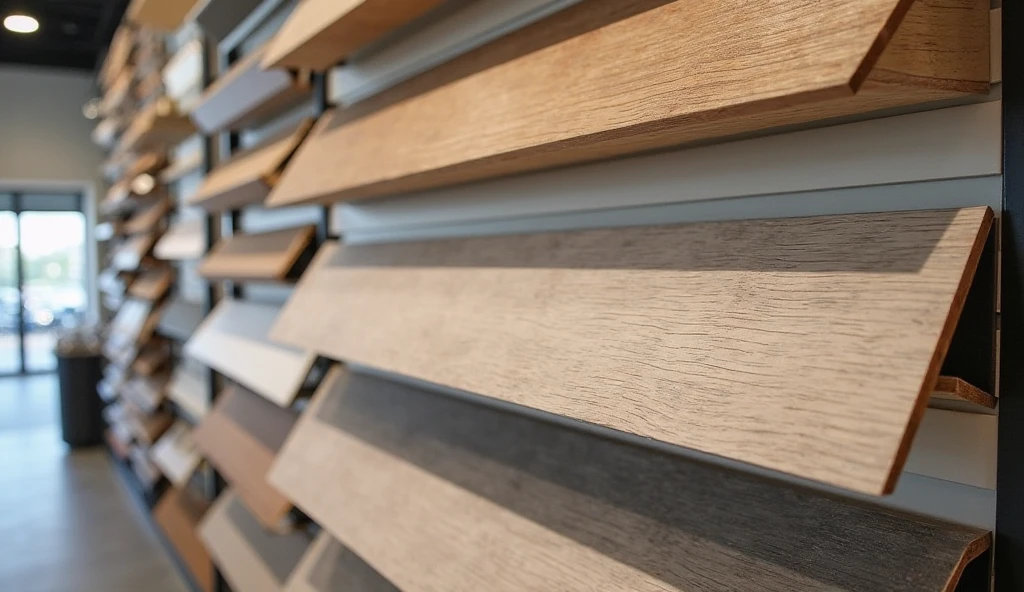
Moisture-Resistant Drywall: Ideal for Bathrooms and Kitchens
Moisture-resistant drywall, often referred to as greenboard due to its distinctive color, is specifically designed for environments prone to humidity, such as bathrooms and kitchens. It features a water-resistant green-faced paper and added moisture barriers that protect against water penetration. This type of drywall outperforms standard drywall in wet areas by preventing the growth of mold and mildew, as demonstrated by multiple studies. For areas like bathrooms and kitchens where moisture is a constant concern, moisture-resistant drywall acts as a first line of defense, ensuring the longevity and integrity of the structure.
Fire-Resistant Drywall: Enhancing Safety in High-Risk Areas
Fire-resistant drywall, also known as Type X or Type C drywall, is engineered with additional gypsum and fiberglass content to increase its durability against extreme temperatures. This type of drywall is essential for high-risk fire-prone areas such as garages, furnace rooms, and areas adjacent to open flames. Fire-resistant drywall helps meet building safety codes and reduces the risk of fire-related incidents, providing valuable time during emergencies. Statistical data shows a significant decrease in damage in buildings equipped with fire-resistant drywall, reinforcing expert recommendations to use such materials in areas requiring strict fire safety compliance.
Soundproof Drywall: Creating Quieter Living Spaces
Soundproof drywall excels at minimizing sound transmission, making it ideal for settings where noise reduction is a priority, such as home theaters, offices, and multi-family residences. This drywall incorporates sound-dampening materials like increased density gypsum and polymers, which significantly reduce noise. Acoustic testing has consistently evidenced the effectiveness of soundproof drywall in improving privacy and comfort by minimizing noise distractions. As urban living becomes more prevalent, design trends increasingly favor soundproofing as a standard feature to enhance the quality of life in bustling city environments.
Paperless and Mold-Resistant Options: Combating Humidity
Paperless drywall represents a modern innovation aimed at eliminating the vulnerabilities associated with traditional paper-faced drywall. It features fiberglass facings, making it both mold-resistant and better suited for high-humidity environments like baths and kitchens. Builders often prefer paperless options when durability and resilience against moisture are priorities, as these materials prevent mold growth more effectively than traditional options. As contemporary homes increasingly demand mold-resistance features, paperless drywall is becoming a sought-after choice for sustainable and long-lasting construction solutions.
Selecting the Right Drywall Thickness for Your Project
1/2-Inch Drywall: Lightweight and Perfect for Interior Walls
1/2-inch drywall is commonly used in interior construction due to its lightweight nature, making it easy to handle and install. This thickness is ideal for non-load-bearing walls in residential projects, providing a balance between durability and ease of installation. It meets standard building codes for interior walls, allowing for straightforward compliance with construction requirements. Due to its versatile nature, 1/2-inch drywall remains a popular choice for homeowners seeking both functionality and ease of use, ensuring seamless integration into various design needs.
5/8-Inch Drywall: Superior Fire Resistance and Soundproofing
For projects demanding enhanced fire resistance and soundproofing, 5/8-inch drywall is the optimal choice. Its added weight and density contribute significantly to its superior performance in high-density residential and commercial environments. This thickness is particularly recommended for soundproof applications, reducing sound transmission effectively. Industry testing supports its excellent fire ratings, making it a preferred option in areas where safety concerns are paramount. Compliance with rigorous industry standards ensures that 5/8-inch drywall contributes to overall building safety and acoustic benefits.
Choosing the Appropriate Drywall Size and Handling Considerations
Standard 4×8 Sheets: Balancing Ease of Use and Coverage
Standard 4×8 drywall sheets are popular in residential applications due to their balanced size, allowing easy handling and efficient coverage. These sheets fit comfortably through standard doorways and spaces, simplifying the installation process. Their versatility helps optimize coverage for both small and medium-sized wall surfaces. Using 4×8 sheets can significantly reduce labor time, as these standard sizes streamline the workflow and eliminate the need for extensive custom cuts, thereby enhancing productivity and reducing overall labor costs.
Large 4×12 Panels: Minimizing Seams in Spacious Areas
For expansive areas, large 4×12 drywall panels present a favorable option, minimizing seams and producing smoother finishes with less joint taping required. These panels are ideal for eliminating visual interruptions in large room dimensions, offering a more seamless aesthetic. However, one must consider the transport and installation challenges associated with larger panels due to their increased weight and size. Experts recommend these panels for scenarios where the space dimension allows easy maneuvering and the need for reduced seams is paramount, ensuring a professional, polished finish.
Special Considerations for Moisture-Prone and High-Traffic Zones
Greenboard vs. Cement Board: When to Use Each
Understanding the differences between greenboard and cement board is essential for ensuring proper moisture resistance in construction projects. Greenboard is a type of moisture-resistant drywall featuring a green paper covering, making it suitable for areas like bathrooms and kitchens that experience dampness but not direct water contact. However, it is not entirely waterproof. On the other hand, cement board is comprised of reinforced concrete with a glass fiber mesh, ideal for moist environments like shower walls due to its durability and resistance to water decay, though it requires a vapor barrier for added protection.
In terms of usage, greenboard is best for ceilings and walls that might encounter moisture, whereas cement board excels in spaces with direct water exposure, such as behind tiles in showers. Industry experts often recommend cement board for more rigorous moisture prerequisites, as it does not degrade in wet conditions. Feedback from users generally confirms that while both materials have their applications, cement board remains superior in performance for high-moisture zones when waterproofing is critical.
Fire-Resistant Solutions for Garages and Utility Rooms
Garages and utility rooms demand specific fire-resistance requirements due to their potential exposure to fire hazards. Utilizing the right drywall options and installation methods is vital for compliance with safety codes. Type X and Type C drywall are commonly recommended, providing added fire resistance thanks to their non-combustible core material and glass fibers that slow the spread of flames. Installation should adhere to stringent guidelines, ensuring proper fitting and sealing to maximize safety.
Building codes often stipulate minimum fire ratings for walls separating garages from living spaces. For instance, a 5/8-inch Type X drywall can offer up to an hour of fire resistance, making it preferred in many residential applications. Statistics show that the use of fire-rated materials significantly enhances overall structural safety, especially in areas like garages where flammable materials are stored. Experts underscore the importance of ensuring all installations align with these guidelines to meet fire safety standards effectively.
Soundproofing Tips for Home Offices and Media Rooms
Creating a quiet and soundproof environment is crucial for home offices and media rooms to boost productivity and enjoyment. Strategic use of drywall and insulation materials can significantly enhance acoustic performance. Soundproof drywall variants, such as those using viscoelastic polymers and gypsum, are widely recommended for reducing noise transmission. Pairing these with dense insulation materials can further dampen sound effectively.
Several homeowners have successfully integrated soundproofing techniques, reporting enhanced acoustic isolation and less external noise disturbance. Case studies demonstrate that thoughtful design, including the use of staggered studs and resilient channels, can markedly improve sound control. Industry experts highlight that robust soundproofing not only elevates work efficiency in home offices but also enriches the cinematic experience in media rooms, emphasizing the value of investing in quality soundproofing solutions.
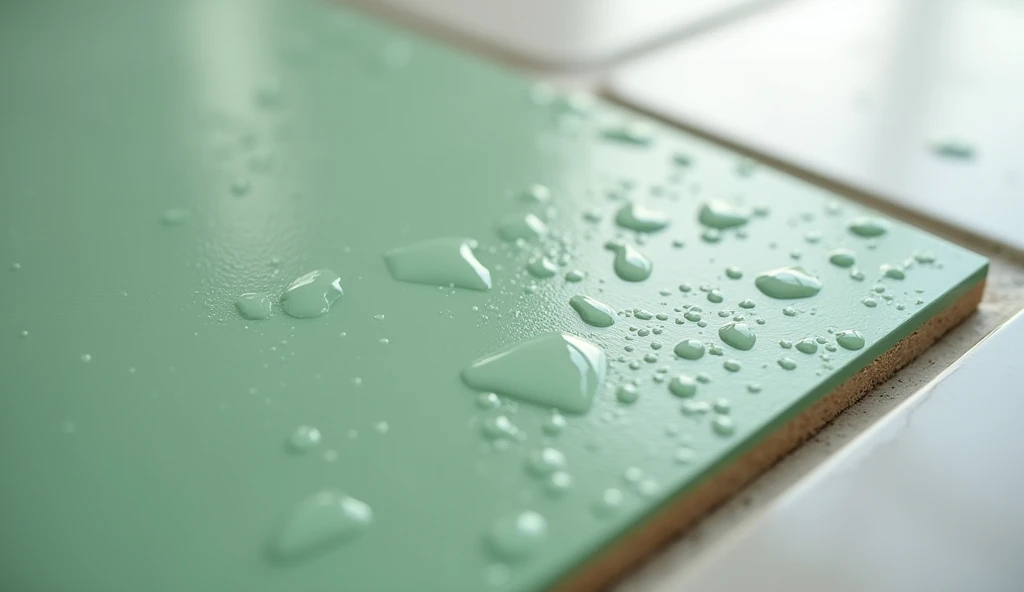
Exploring Eco-Friendly Drywall Options for Sustainable Homes
Recycled Content and Low-VOC Products
Eco-friendly drywall options often stand out due to their use of recycled materials and the presence of low levels of volatile organic compounds (VOCs). These products are designed to improve indoor air quality and reduce the environmental footprint of construction projects. By selecting drywall with these attributes, homeowners and builders benefit from healthier living environments and contribute to sustainability efforts. The market for low-VOC materials is experiencing a significant growth trend, reflecting the increasing demand for environmentally friendly building supplies.
Synthetic Gypsum: Reducing Environmental Impact
Synthetic gypsum emerges as a sustainable alternative to traditional natural gypsum, significantly reducing environmental strain. This byproduct from power plants, chemically identical to natural gypsum, is produced through processes that lower energy consumption and waste. The increased adoption of synthetic gypsum within the construction industry underscores its benefits for sustainable building practices. Research indicates its environmental advantages, such as minimizing the need for mineral extraction and decreasing landfill impact, positioning synthetic gypsum as a viable option for those seeking eco-friendly drywall solutions.
FAQ Section
What are the most common types of drywall used in construction?
The most common types of drywall used in construction are standard drywall, moisture-resistant drywall, fire-resistant drywall, and soundproof drywall. Each type caters to specific applications and environments.
Why is moisture-resistant drywall preferred for bathrooms and kitchens?
Moisture-resistant drywall is preferred for bathrooms and kitchens because it effectively prevents water penetration and resists mold and mildew growth, ensuring the durability of structures in humid environments.
How does fire-resistant drywall enhance safety?
Fire-resistant drywall enhances safety by incorporating additional gypsum and fiberglass, which increases its resistance to high temperatures and helps slow the spread of flames, thus complying with building safety codes.
What thickness of drywall is ideal for soundproofing?
A 5/8-inch thickness of drywall is typically recommended for soundproofing due to its increased density, which helps reduce sound transmission effectively.
Is paperless drywall mold-resistant?
Yes, paperless drywall is mold-resistant as it uses fiberglass facings instead of traditional paper, making it suitable for high-humidity areas.





留下评论