
Global Commercial Refrigeration Market Trends
Current Valuation and 2030 Projections
The global commercial refrigeration market was valued at approximately $39.88 billion in 2023 and is projected to reach $65 billion by 2032, reflecting a compound annual growth rate (CAGR) of 5.58% over the forecast period (SNS Insider). This growth is driven by a rising demand for refrigerated goods, particularly in food services and pharmaceutical sectors, as consumers increasingly prefer frozen and chilled products. Market segmentation highlights the significance of various refrigeration types—refrigerators and freezers lead with a 24.08% share in 2023, driven by sectors such as health care and food service (SNS Insider). These trends underscore the evolving landscape and future valuation impact within the commercial refrigeration sector.
Regional Growth in North America and Asia-Pacific
North America remains a pivotal market in commercial refrigeration due to its established retail channels and commitment to food safety standards. The region accounted for a 34.8% market share in 2023, bolstered by major grocery chains like Walmart and Costco (SNS Insider). Conversely, the Asia-Pacific region is experiencing rapid expansion, projected to grow at a CAGR of over 6.4% from 2024 to 2032 (SNS Insider). This growth is fueled by increasing urbanization, disposable income, and the expansion of commercial activities. Industry reports also highlight how regional regulations and preferences significantly influence market dynamics. These trends reflect the contrasting growth patterns and evolving market environments in both regions.
Energy Efficiency & Sustainable Solutions
ENERGY STAR-Certified Systems and Energy Savings
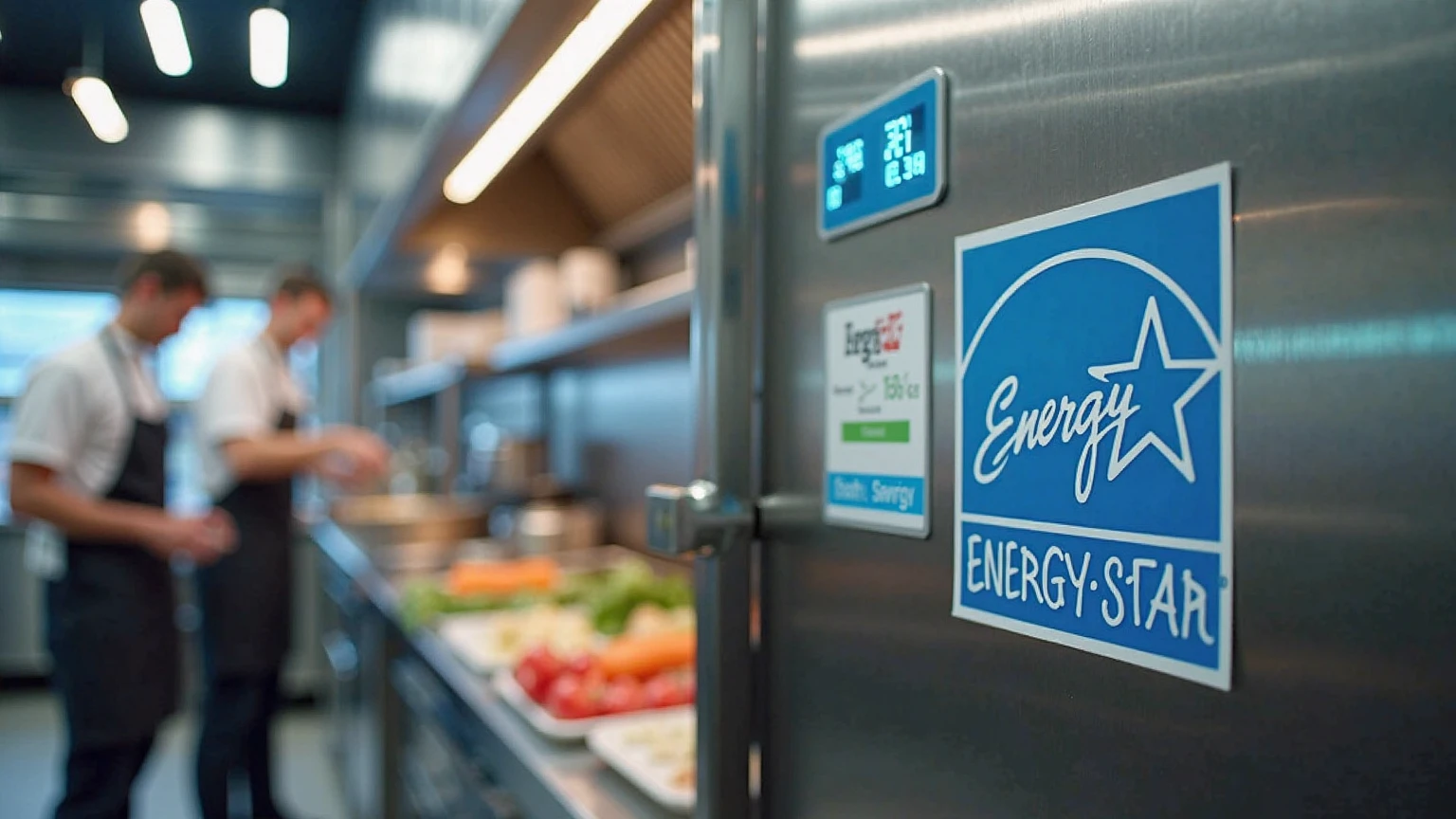
Implementing ENERGY STAR-certified refrigeration systems offers substantial benefits, including up to 30% energy savings compared to non-certified models. These savings not only reduce operating costs but also support environmental sustainability objectives, making them an attractive option for businesses. Recent studies underscore a growing preference for ENERGY STAR systems among enterprises aiming to enhance their energy efficiency and lower their carbon footprint. Additionally, various government incentives are available to encourage businesses to adopt these energy-efficient solutions, further amplifying their cost-effectiveness and appeal.
Transition to Low-GWP Refrigerants like CO2
The refrigeration industry is increasingly transitioning to low-global warming potential (GWP) refrigerants, such as carbon dioxide (CO2), to mitigate environmental impact. This shift is driven by both regulatory pressures and advancements in refrigeration technology. These low-GWP refrigerants significantly reduce the industry’s carbon footprint, aligning with global sustainability goals. Experts in the field suggest that manufacturers who embrace these eco-friendly alternatives are well-positioned to capitalize on evolving market trends that prioritize sustainability. As consumer and regulatory demands for greener solutions grow, adopting low-GWP refrigerants offers both environmental and competitive advantages.
Transport Refrigeration Innovations
Solar-Powered TRUs and Battery Advancements
The progression towards solar-powered transport refrigeration units (TRUs) signifies a pivotal shift in sustainable transport solutions, offering highly energy-efficient cooling during transit. Solar-powered TRUs leverage renewable solar energy, reducing dependence on traditional fuel sources, and thus cutting down emissions. This shift aligns with increasing industry demands for greener operations, resonating with the pursuit of lower carbon footprints. Additionally, advancements in battery technologies significantly enhance the performance and reliability of these systems. As batteries become more efficient and capable of longer operational life, they help maintain consistent cooling, crucial for transporting temperature-sensitive goods. The integration of such technologies not only promises considerable reductions in operational costs but also lessens the environmental impact, offering a sustainable solution in the logistics sector.
CORE Funding for Zero-Emission Upgrades
The Clean Off-Road Equipment Voucher Incentive Project (CORE) offers indispensable funding opportunities for businesses seeking to implement zero-emission transport refrigeration technologies. These incentives are vital for enterprises looking to upgrade their fleets without a hefty financial burden. Not only do these modifications align with regulatory moves towards sustainable practices, but they also promise economic benefits. Evidence suggests that businesses participating in CORE experience faster returns on investment due to reduced fuel consumption and lower maintenance costs. By leveraging CORE funding, companies can adopt cutting-edge, eco-friendly refrigeration solutions, maintaining competitiveness while supporting global efforts to curb emissions. This initiative provides an essential avenue for businesses to transition towards a more sustainable operational model without compromising on financial stability.
Regulatory Impacts on Industry Practices
F-Gas Regulations and Kigali Amendment Compliance
F-gas regulations significantly impact the refrigeration industry’s practices by enforcing stricter limits on high-GWP (Global Warming Potential) refrigerants. These regulations are designed to minimize the release of harmful gases that contribute to climate change. Compliance with the Kigali Amendment is essential for manufacturers and users who are committed to reducing greenhouse gas emissions. The amendment aims to phase down the production and use of potent greenhouse gases like hydrofluorocarbons (HFCs). Statistics indicate that adherence to these regulations not only supports environmental sustainability but also drives companies towards innovative, eco-friendly solutions.
CARB Initiatives Driving Clean Technology Adoption
The California Air Resources Board (CARB) is at the forefront of initiatives that encourage the adoption of cleaner and more sustainable refrigeration technologies across various sectors. These efforts include funding research and providing resources for transitioning to advanced systems that meet stringent air quality standards. CARB’s initiatives are recognized by experts as a benchmark for other regions looking to enhance environmental sustainability in refrigeration practices. By driving innovations in clean technology, these initiatives help industries comply with regulations while supporting the broader goal of reducing ecological footprints in the refrigeration sector.
Critical Applications Across Sectors
Cold Chain Demands in Food Retail
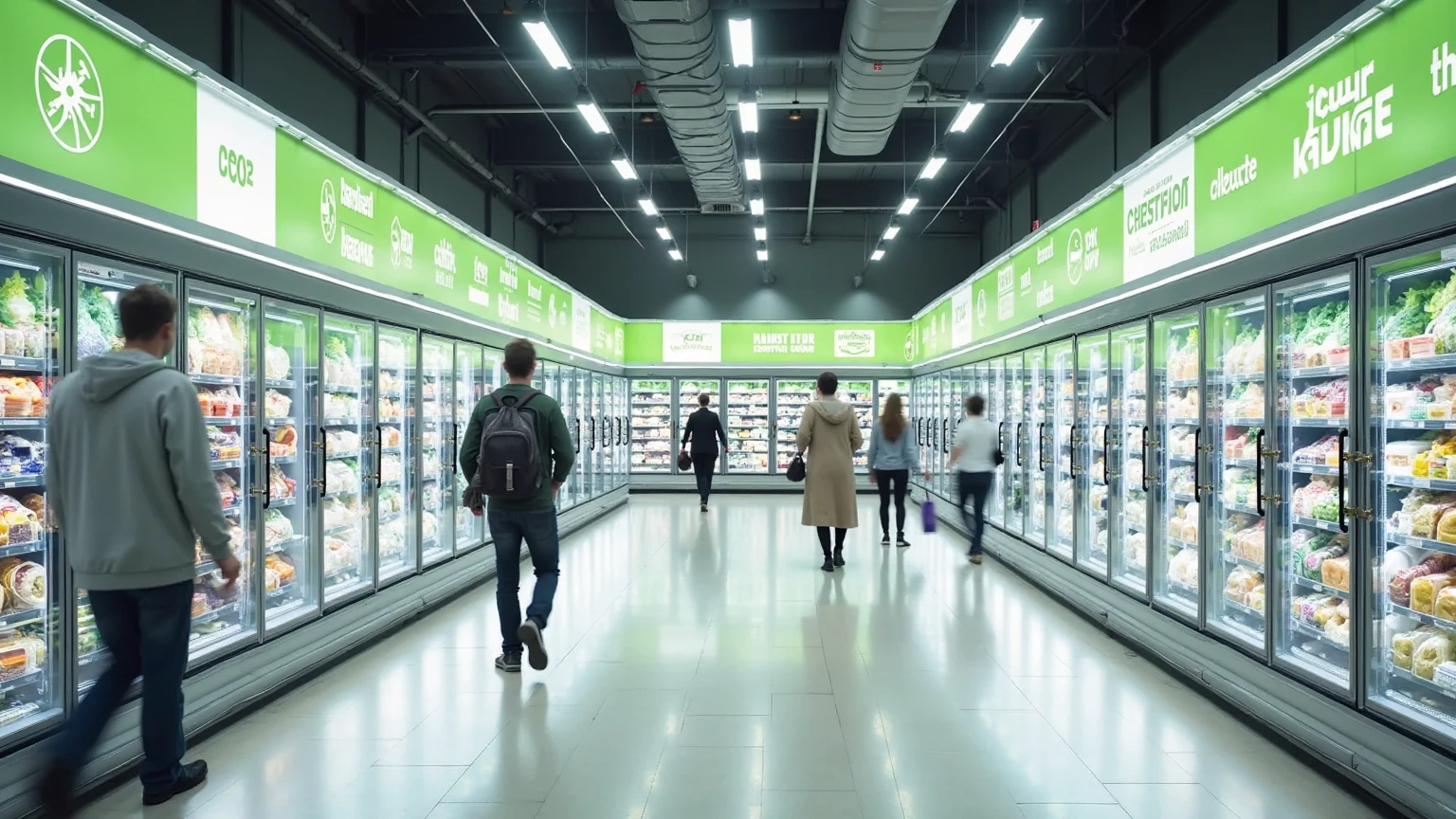
The cold chain is a crucial component in the food retail sector, ensuring that products are preserved at optimal quality from supplier to consumer. Effective refrigeration prevents the spoilage of perishable goods and maintains their nutritional value. Statistics indicate that approximately 48 million Americans experience foodborne illnesses annually, many of which are attributed to inadequate refrigeration, emphasizing the importance of reliable solutions (Centers for Disease Control and Prevention). By maintaining stringent temperature controls, food retailers can uphold public health standards, reduce waste, and safeguard consumer trust.
Pharmacy Storage Needs (e.g., CVS Medication Preservation)
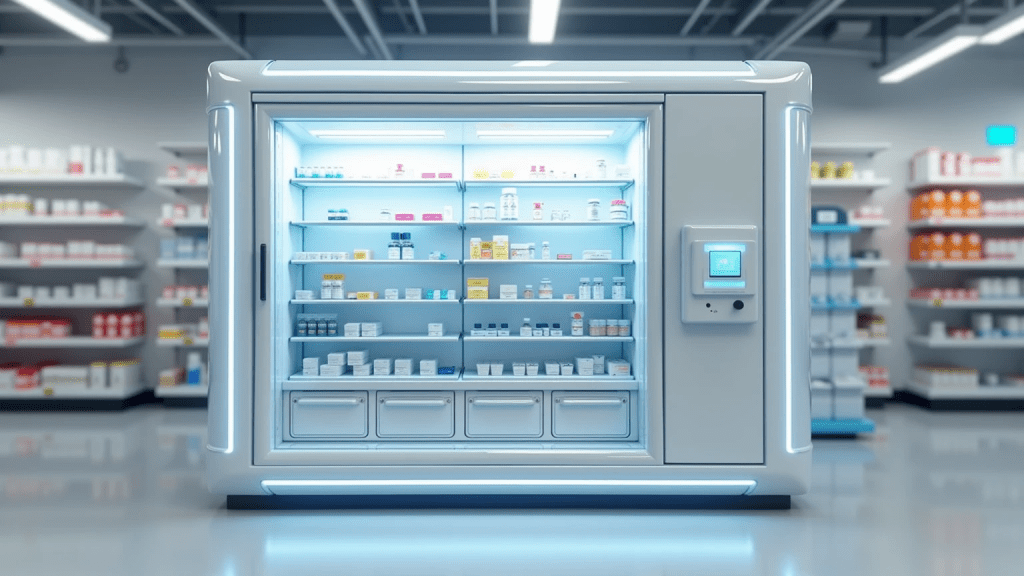
Pharmaceuticals require precise refrigeration to maintain their effectiveness and safety, with pharmacies like CVS implementing stringent standards to preserve medications. Proper temperature control is vital to prevent drug degradation, ensuring vaccines and medications remain potent and safe. Any failure in temperature regulation can result in compromised patient safety and substantial financial loss, necessitating robust refrigeration systems. Industry reports consistently highlight that advanced refrigeration technologies are essential in achieving compliance with health regulations and safeguarding medications, reinforcing the need for modern refrigeration solutions in pharmacies.
FAQ
1. What are the growth projections for commercial refrigeration?
The global commercial refrigeration market is expected to grow from $39.88 billion in 2023 to $65 billion by 2032, with a projected CAGR of 5.58%.
2. Why is North America a key market?
North America’s established retail channels and strict food safety standards make it a significant player in the commercial refrigeration market, with a 34.8% share in 2023.
3. What are ENERGY STAR refrigeration systems?
ENERGY STAR systems are certified to provide up to 30% energy savings over non-certified models, which reduces operating costs and supports sustainability.
4. What does transitioning to low-GWP refrigerants involve?
This involves adopting environmentally friendly refrigerants like CO2 to lower the carbon footprint and align with global sustainability goals.
5. What are the benefits of solar-powered TRUs?
Solar-powered transport refrigeration units offer energy-efficient cooling, reduce emissions, and lower operational costs during transit.




留下评论