

Understanding Your Custom Cardboard Box Needs
Assessing Material Types for Durability
Choosing the appropriate materials for custom cardboard boxes is critical to ensuring the strength and durability necessary for the products being shipped. Durability can be significantly affected by the material selection, with options like corrugated cardboard providing excellent protection due to its layered construction. Paperboard is another popular choice, offering flexibility and an eco-friendly profile suitable for lighter items. Both materials serve distinct purposes across various industries, from food processing to electronics.
Examples of material performance reveal that corrugated cardboard can withstand high impact and compression, making it ideal for heavy and fragile items. The Packaging Industry Report suggests that buyer preferences often lean towards corrugated cardboard due to its superior protective qualities. Additionally, material choice impacts shipping costs, as lighter, yet durable materials can reduce overall freight expenses, leading to more efficient transportation.
Determining Box Size and Dimensions
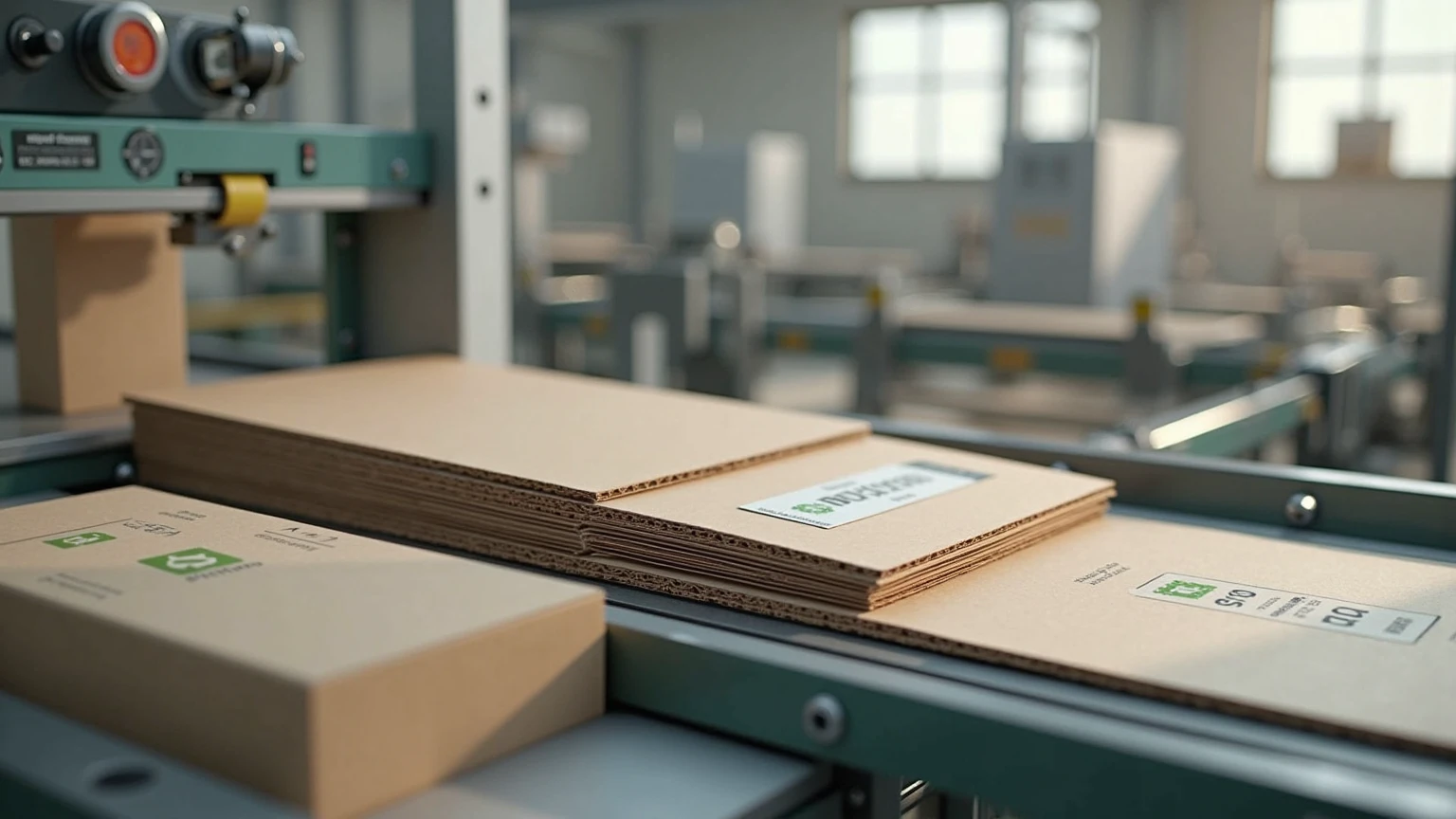
Selecting the right box size is vital for minimizing shipping costs and safeguarding the products inside during transit. Accurately measuring products aids in finding the perfect fit, reducing excess space that might require additional filler. This optimization not only cuts down unnecessary costs but also enhances brand presentation, making the packages look sleek and professional without compromising product safety.
Using specific dimensions contributes to box optimization, explained through methods such as volume calculation and spatial modeling. Reports from shipping carriers indicate that using tailored box sizes can lead to significant savings, reflecting how size impacts shipping expenses directly. By prioritizing size and dimension, brands can make logistical processes more seamless and efficient.
Identifying Design Requirements
Effective design in custom cardboard boxes encompasses both branding and functionality. Branding elements, such as logos and distinctive color schemes, can attract customers and increase brand recognition. Additionally, functional aspects like easy-to-use openings, reliable closures, and printed instructions enhance the consumer experience, contributing to a positive interaction with the product.
Innovative design plays a pivotal role in customer satisfaction and loyalty. Brands like Amazon and Apple have leveraged unique box designs to not only boost customer engagement but also streamline their packaging process. The integration of design elements ensures that packaging solutions cater to aesthetic and practical consumer needs, as showcased in successful case studies Iike Apple’s sustainable and elegant packaging approach. These designs improve satisfaction by making unpacking more enjoyable and efficient.
Choosing the Right Supplier for Custom Cardboard Boxes
Comparing Pricing and Minimum Order Quantities
Selecting the right custom cardboard box supplier involves balancing budgetary constraints with quality. Pricing plays a crucial role in packaging decisions as it directly impacts overall budgeting and cost management. It’s essential to compare different suppliers’ pricing models to ensure that quality is not compromised in pursuit of affordability. Minimum order quantities (MOQs) can be a hurdle for small businesses or startups, pushing them towards bulk buying or pooling orders with other businesses to meet supplier requirements. To navigate this, businesses can find flexible suppliers who consider unique needs and allow for adaptable order sizes. Expert recommendations often highlight identifying suppliers who offer transparent pricing without hidden costs such as excessive shipping or handling fees, which can add up significantly.
Evaluating Supplier Reviews and Turnaround Times
Supplier reviews are an invaluable tool for making informed decisions about which partners to trust for your custom cardboard boxes. Reviews provide insight into the quality of products and services offered, helping businesses avoid potential pitfalls. Similarly, turnaround times are critical in selecting a supplier, as delays can disrupt operations and hinder timely product delivery. Companies should look for patterns in reviews that indicate reliable service and responsive customer support, often a hallmark of reputable suppliers. To verify reviews’ legitimacy, cross-referencing multiple platforms for consistency is advisable. According to industry surveys, a reliable supplier is crucial for maintaining efficient business operations and fulfilling urgent shipping necessities. By understanding these factors, businesses can select a supplier that complements their operational needs and customer service expectations.
Design Tips for Effective Branded Packaging
Incorporating Logo Placement and Brand Colors
Logos and brand colors are pivotal in establishing brand identity and recognition in packaging design. Effective packaging utilizes logos and brand colors strategically to create a memorable impression at first glance. For optimal visibility and impact, logos should be placed where they are immediately noticeable, such as the top center or prominently on the sides of packaging. Leading brands like Coca-Cola and Apple exemplify how consistent use of brand colors and strategic logo placement can reinforce brand identity. Research indicates that color usage can increase brand recognition by up to 80%, highlighting the importance of these design elements in influencing consumer purchasing decisions.
Optimizing Artwork for Print Quality
High-resolution artwork is crucial in custom cardboard box design to prevent pixelation and ensure clarity. To achieve print quality, designers must prepare art files meticulously, setting the correct color modes such as CMYK and ensuring dimensions match printing processes. Common pitfalls in print preparation include incorrect resolution and unaligned artwork, which can be avoided through proper planning and adherence to printing guidelines. According to printing authorities, following these guidelines ensures optimal results and enhances the overall quality and appeal of packaging design. Proper artwork optimization not only elevates the aesthetic of the packaging but also contributes to a professional and enticing presentation.
Navigating the Online Ordering Process Efficiently
Requesting Samples Before Bulk Orders
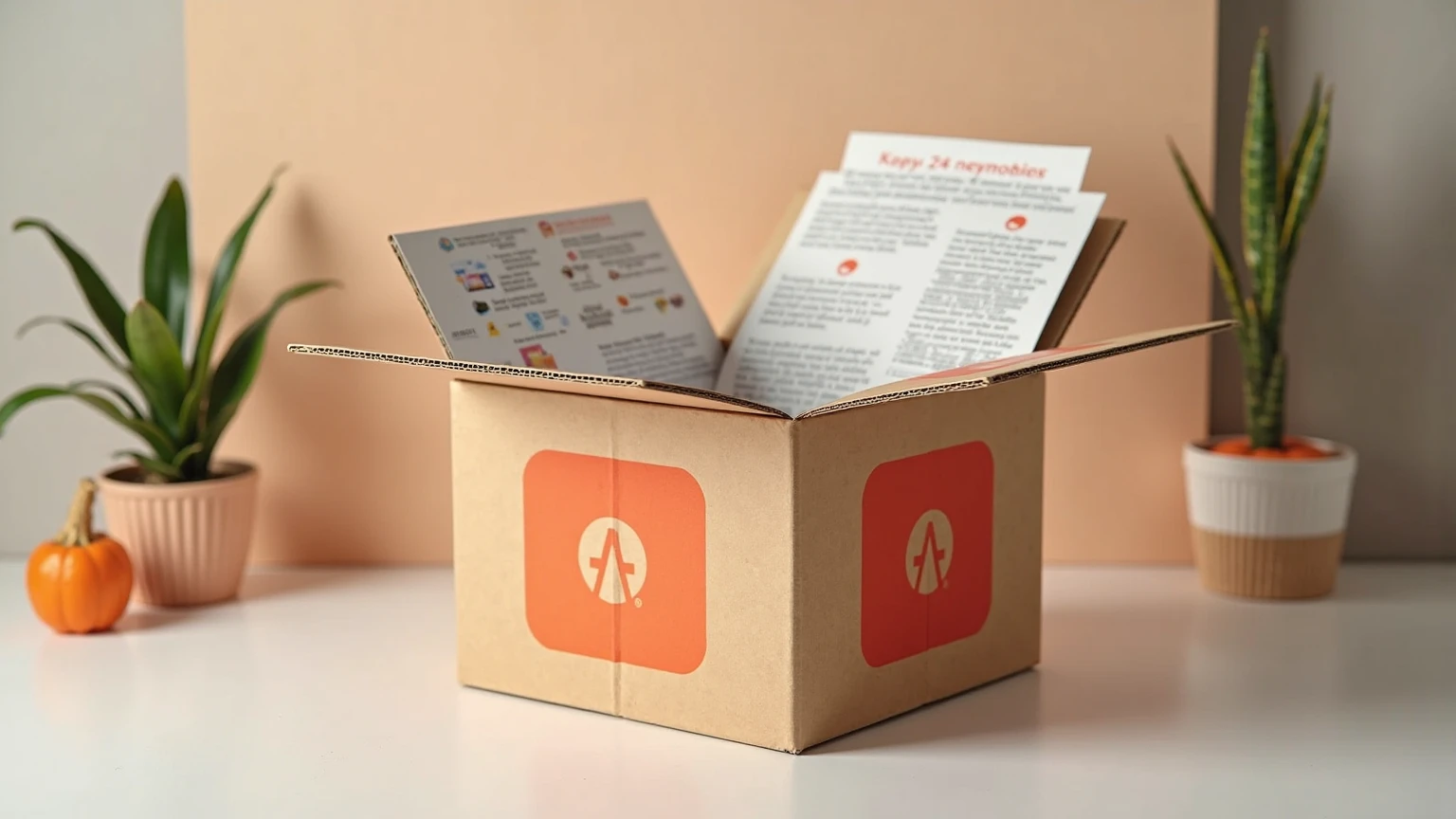
Requesting samples is a crucial step before placing significant bulk orders from suppliers to ensure product quality and suitability. By evaluating samples, businesses can verify the materials, design, and print quality aligning with their brand standards. Here’s a simple guide to request samples:
- Initiate Contact: Reach out to suppliers with a clear description of the product specifications you’re interested in.
- Evaluate the Sample: Upon receiving the sample, assess its build quality, color accuracy, and material durability.
- Review Costs: Understand the costs involved in sample requests, including potential shipping fees.
Statistics reveal that businesses experience a 30% increase in satisfaction rates when they evaluate samples before committing to bulk orders. For instance, a testimonial from a retail chain reported significant reductions in waste and returns due to pre-order evaluations.
Understanding File Format Requirements
Grasping the specifics of file format requirements is essential for seamless design and printing processes. Suppliers often accept formats like PDF, AI, and EPS, each serving different purposes:
- Vector Formats (AI, EPS): Ensures scalability without loss of quality, ideal for logos and line art.
- Print-Ready (PDF): Used for final prints, often requiring specific color profiles like CMYK.
Common submission mistakes include incorrect color modes and dimensions, which can delay printing or compromise print quality. To avoid these, adhere to the following checklist:
- Ensure files are in the correct color mode (usually CMYK for print).
- Verify dimensions match the specifications required by the supplier.
- Embed all fonts and linked images for PDFs.
Following these practices aligns with expert guidelines, ensuring your files are print-ready and compatible with supplier specifications.
Sustainability and Cost-Saving Considerations
Selecting Eco-Friendly Materials
In today’s business landscape, selecting eco-friendly materials for custom cardboard boxes is becoming increasingly important. Not only does this choice benefit the environment by reducing carbon footprints and conserving resources, but it also boosts a company’s reputation among consumers. Various types of sustainable materials, such as recycled cardboard and biodegradable coatings, offer environmental benefits while enhancing a brand’s commitment to sustainability. Regulatory bodies around the world are pushing for stricter sustainability measures, a trend that may soon necessitate eco-friendly packaging choices for compliance. According to recent studies, a significant 67% of consumers show a preference for environmentally friendly packaging, which can translate into boosted brand loyalty and increased sales (source: Sustainable Brands).
Reducing Waste Through Smart Packaging Design
Adopting smart packaging design principles can significantly reduce waste, benefiting both the environment and a company’s bottom line. By focusing on minimalist design, reuse, and recyclability, businesses can minimize excess material use and enhance product protection. Brands like Unilever have successfully implemented waste-reducing tactics by optimizing packaging dimensions and materials, reducing waste by up to 15%. Leveraging technology, such as CAD software for 3D modeling, can further aid in optimizing packaging design to minimize material use. Implementing these sustainable design practices not only aligns with environmental goals but can also lead to measurable cost savings. Studies indicate that adopting such design practices can lead to reductions in packaging costs by up to 30%, showcasing a clear financial incentive for businesses to invest in sustainability.
FAQ
What materials are best for custom cardboard boxes?
Corrugated cardboard is ideal for heavy and fragile items due to its impact and compression resistance, while paperboard is recommended for lighter items due to its flexibility and eco-friendly profile.
How can I choose the right size for my boxes?
Measure your products accurately to find a perfect fit, reducing the need for excess filler and cutting unnecessary costs. Using the right dimensions can optimize shipping efficiency.
What should I consider when selecting a cardboard box supplier?
Consider pricing, minimum order quantities, supplier reviews, and turnaround times. Look for suppliers with transparent pricing and flexible order sizes to suit your needs.
Why is logo placement important in packaging?
Strategic logo placement and consistent use of brand colors enhance brand identity and recognition, influencing consumer purchasing decisions significantly.
How can I ensure print quality for my packaging?
Utilize high-resolution artwork, correct color modes, and follow printing guidelines. Ensure artwork files are prepared thoroughly to match printing processes.
Why does sustainable packaging matter?
Sustainable packaging reduces environmental impact, aligns with consumer preferences, and can enhance brand reputation and loyalty.





留下评论