

Choosing Cost-Effective Materials for Custom Boxes
Comparing Material Costs: Corrugated vs. Paperboard
When selecting materials for customized boxes, understanding the cost differences between corrugated and paperboard materials is paramount. Corrugated materials are generally more expensive due to their enhanced durability and structural integrity. They range from approximately $0.60 to $0.75 per square foot, offering superior protection for shipping and logistics needs. In contrast, paperboard materials, often used in premium retail packaging, cost about $0.50 to $0.65 per square foot. The cost variance significantly impacts financial decision-making in packaging, compelling businesses to choose based on intended use and budget constraints.
Durability is another critical factor influencing long-term costs and customer satisfaction. Corrugated materials provide higher durability, making them suitable for transport-heavy applications. Their robust features can lead to reduced replacement costs over time, ultimately providing value despite the higher upfront investment. However, for applications where aesthetic appeal and lightweight characteristics are prioritized, paperboard remains a valid choice, especially in cosmetic and food packaging where presentation is key.
Current trends suggest a rise in eco-friendly practices, impacting both the corrugated and paperboard markets. An increasing demand for sustainable materials affects prices, as noted in a Journal of Packaging Technology report emphasizing price volatility driven by sustainable material adoption. The industry is seeing innovations such as biodegradable coatings and digital printing which are leveling the playing field between these two materials. In this evolving landscape, the choice between corrugated and paperboard should consider both cost efficiency and alignment with sustainability goals.
Sourcing Locally to Minimize Expenses (Near Me Strategies)
Sourcing materials locally presents significant advantages that can dramatically cut down expenses for businesses involved in custom box manufacturing. Local sourcing typically results in reduced shipping costs and faster delivery times, exemplifying cost-effective and time-efficient supply chain management. Moreover, by supporting local economies, businesses contribute positively to their community, building stronger B2B connections.
To find local suppliers efficiently, businesses can utilize online tools and search for “suppliers near me,” optimizing their search results for localized sourcing. Utilizing platforms like Google Maps or business directories facilitates the discovery of numerous potential suppliers—leveraging technology to streamline logistics coordination and procurement. Adopting such strategies aligns with the rising trend of using digital systems to enhance operational effectiveness.
While local sourcing offers several benefits, it can also come with trade-offs, such as limited material availability or inconsistent quality. An example within the industry includes paper mills, where supply availability may vary seasonally, potentially affecting production schedules. Yet, strategic partnerships with local suppliers can mitigate these risks by ensuring a steady supply of high-quality materials throughout the year. Balancing local sourcing strategies with material quality considerations is critical for long-term operational success and customer satisfaction in custom packaging.
Streamlining Design Elements to Reduce Costs
Opting for Minimalist Printing Techniques
Embracing minimalist printing techniques can significantly reduce costs and enhance product appeal. Simplified designs minimize the use of ink and complex patterns, leading to lower printing expenses while directing consumer attention to key product features. This approach not only aligns with the cost-effective design strategy but also empowers brands to tell their story without overwhelming consumers with excessive visuals. Different printing methods present varied cost implications. For example, digital printing can be cost-effective for shorter runs, whereas flexography might be better suited for larger quantities due to its efficiency at scale. Each technique offers distinct advantages depending on the brand’s specific needs, making it crucial to understand these nuances when choosing a printing method.
Standardizing Box Sizes for Bulk Discounts
Standardizing box sizes can provide considerable cost advantages through bulk purchasing and streamlined seaming processes. By adopting uniform dimensions, businesses can negotiate better rates with suppliers, thus saving on material costs. Furthermore, consistent sizes simplify production processes and optimize inventory management, leading to enhanced operational efficiency. This approach not only reduces manual labor but also facilitates easier storage and quicker dispatching, ultimately boosting overall productivity. Incorporating standardized sizes as part of a packaging strategy can drive down expenses while simultaneously improving workflow, making it a prudent choice for businesses looking to maximize their packaging budgets.
Incorporating Sustainable Practices on a Budget
Recycled Materials That Save Money
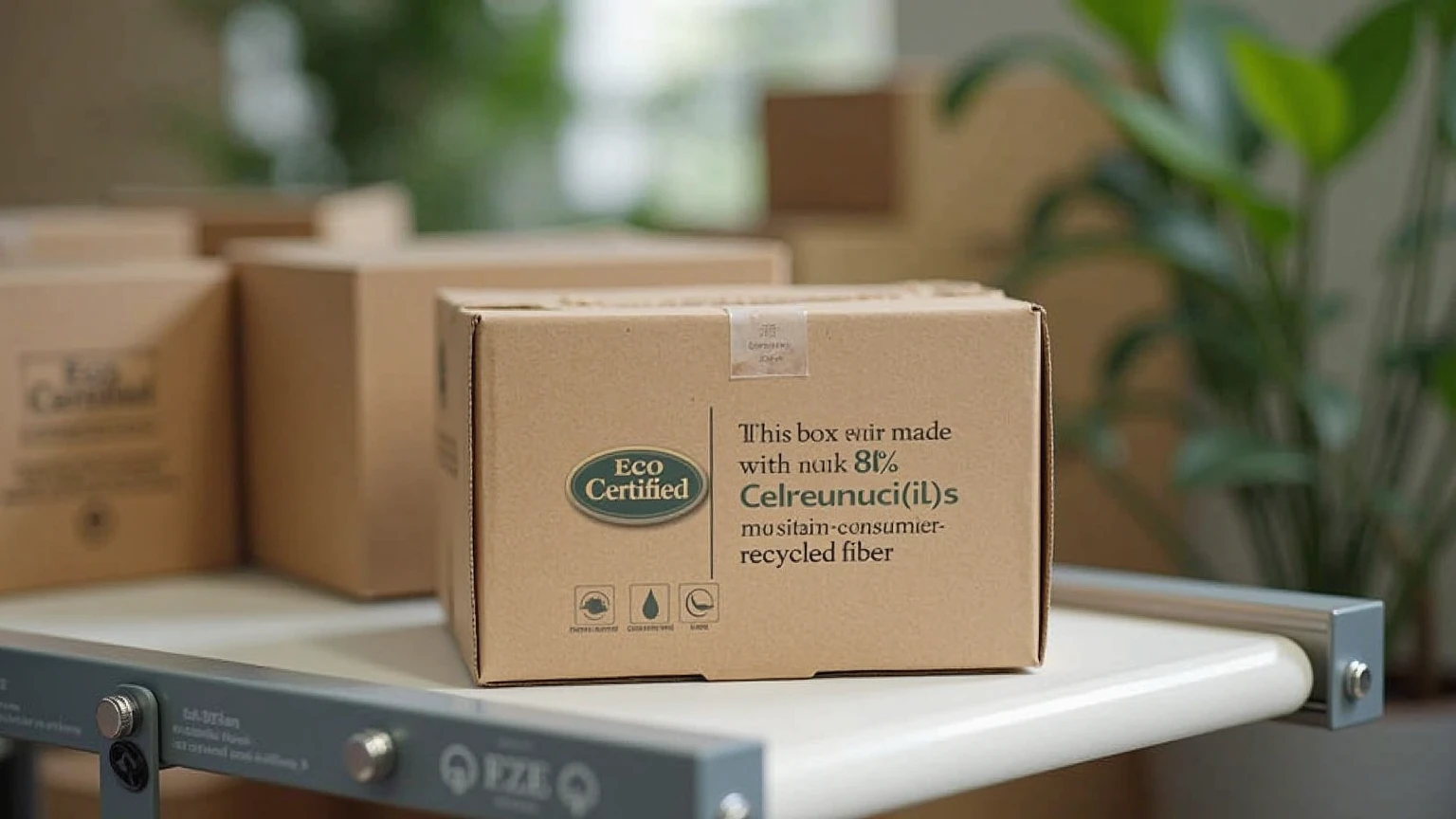
Incorporating recycled materials into your packaging can be a cost-effective solution for businesses aiming to embrace sustainability. Utilizing recycled materials often leads to reduced raw material costs, and companies may benefit from potential tax incentives or government grants. Furthermore, there is a notable consumer shift towards favoring eco-friendly packaging, with a study indicating that 57% of consumers are willing to pay more for sustainable packaging. This trend reflects a growing demand for eco-friendly options and can drive brand loyalty and increase market share. Embracing recycled materials not only supports environmental goals but also aligns with consumer expectations, potentially enhancing brand image without compromising on cost-effectiveness.
Partnering with Eco-Conscious Suppliers
Forming partnerships with eco-conscious suppliers is crucial for businesses aiming to deliver cost-effective yet sustainable packaging solutions. These partnerships allow companies to streamline their supply chain while enhancing their brand’s credibility among eco-minded consumers. For instance, companies like Smurfit Kappa are exploring such partnerships to boost sustainability across their operations. Certification from bodies like the Forest Stewardship Council (FSC) or Cradle-to-Cradle not only assures customers of the products’ eco-friendly credentials but can also open doors to cost savings through more efficient supply chains and reduced waste management expenses. These certifications boost customer trust and align business operations with increasingly stringent environmental regulations.
Leveraging Digital Tools for Affordable Customization
Using Online Design Platforms
Online design platforms are revolutionizing how businesses approach the customization of boxes by providing cost-effective and accessible solutions tailored to various needs. Platforms such as Canva, Boxception, and Packly offer user-friendly features that enable even non-designers to create customized packaging with ease. These tools often provide drag-and-drop capabilities, templates, and libraries of design assets that help streamline the design process. By using these platforms, companies can significantly reduce both design time and costs associated with hiring external designers.
In the dynamic market of custom packaging, brands such as Pura Vida Bracelets have successfully leveraged these online tools. They utilized digital design platforms to craft appealing packaging, ultimately saving on both production costs and time. This approach not only enhances efficiency but also ensures that businesses can quickly adapt to new market trends or customer preferences, thus maintaining competitiveness and relevance.
Digital Proofing to Avoid Costly Mistakes
Digital proofing in the production phase of customized box creation offers multiple benefits, primarily helping businesses avoid errors that could lead to costly production delays or defective products. By allowing designers and clients to thoroughly review a virtual model of the packaging before actual production, digital proofing serves as a crucial step in quality assurance. This method ensures that colors, dimensions, and overall aesthetics perfectly match the intended design, minimizing the risk of errors.
Financial case studies demonstrate the substantial impact of digital proofs on cost reduction. For instance, a leading cosmetics company reported saving nearly 15% of its annual packaging budget by incorporating digital proofing into their processes. This preventative step not only safeguarded them from expensive mistakes but also expedited their time to market, proving that digital proofing is a critical asset in the domain of custom box production.
Maximizing Value with Strategic Packaging Inserts
Low-Cost Inserts That Boost Brand Loyalty
Utilizing low-cost inserts in your packaging strategy can significantly enhance brand loyalty and customer experience. Simple and effective inserts include coupons or information sheets that can turn a one-time buyer into a repeat customer. For instance, including a discount card in each package ensures customers have a tangible reminder of your brand, encouraging future purchases. Research indicates that packaging inserts are among the most cost-effective tools for brand loyalty, leading to increased repeat purchases. According to various studies, businesses that leverage inserts effectively often experience a noticeable uptick in customer retention, showcasing the power of these small investments in creating lasting consumer relationships.
Cross-Promotion Through Sample Packaging
Including samples of partner products within your packages can serve as a strategic cross-promotion tool, encouraging brand switching and expanding customer interests. By offering these samples, businesses can introduce customers to new brands or product lines that they might not otherwise try. For example, a skincare brand might include samples of complementary products from another company, enticing customers to explore these new offerings. Successful cross-promotional strategies, such as pairing a well-loved product with a sample of a new or less popular item, have been adopted by companies like Birchbox, which includes samples in their monthly subscription boxes. This approach not only enhances the unboxing experience but also creates opportunities for mutual brand growth and consumer engagement.
FAQ Section
What are the main differences between corrugated and paperboard materials in terms of cost?
Corrugated materials cost approximately $0.60 to $0.75 per square foot, while paperboard materials cost about $0.50 to $0.65 per square foot. The cost difference arises from corrugated materials’ enhanced durability and structural integrity.
How can local sourcing minimize expenses?
Local sourcing reduces shipping costs and delivery times, supports local economies, and ensures fast supply chain management. However, it might come with trade-offs like limited material availability.
What are minimalist printing techniques, and how do they reduce costs?
Minimalist printing techniques involve simplified designs that use less ink and fewer complex patterns, reducing printing expenses and focusing consumer attention on key product features.
What benefits do recycled materials offer in custom packaging?
Recycled materials can reduce raw material costs, align with consumer demand for sustainability, and potentially offer tax incentives or government grants while supporting environmental goals.
How do online design platforms aid in customization?
Online design platforms provide cost-effective, user-friendly solutions through drag-and-drop features, templates, and design libraries, enabling efficient customization without needing external designers.




留下评论