
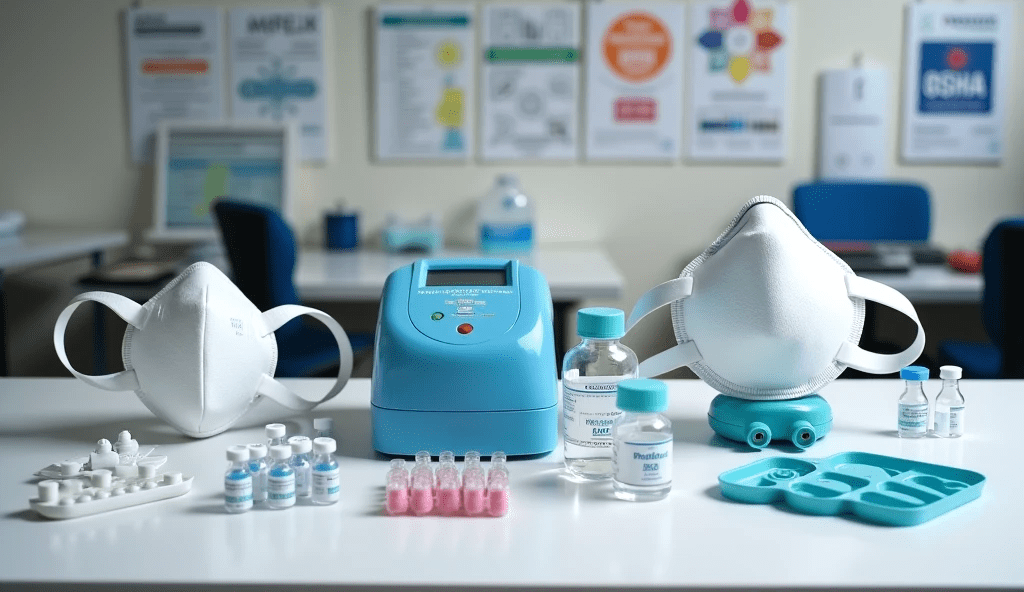
Understanding Respirator Fit Testing Basics
Why Proper Fit Testing Matters for Respiratory Safety
Proper fit testing is vital for ensuring that respirators provide the necessary protection against airborne contaminants. A study highlighted the significance of respirator fit, showing that inadequate fitting can lead to a drastic decrease in the effectiveness of respiratory protection, thereby exposing workers to hazardous environments. The benefits of fit testing extend beyond immediate safety; industries that implement stringent testing protocols tend to report fewer cases of respiratory illnesses among their workforce. Such statistics underscore the value of robust testing practices, which not only enhance respiratory safety but also contribute to overall occupational health and wellbeing.
OSHA Requirements for Respirator Fit Test Kits
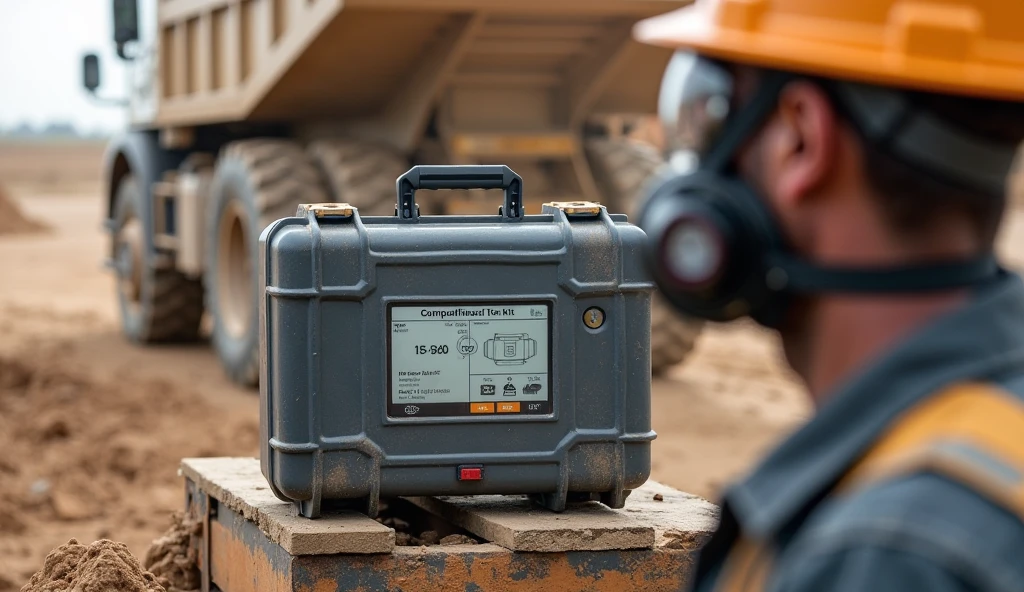
The Occupational Safety and Health Administration (OSHA) has established clear guidelines mandating employers to implement a comprehensive respiratory protection program, which includes regular fit testing. According to OSHA regulations, fit tests are required before the initial use of a respirator and must be repeated annually thereafter. Non-compliance with these fit testing requirements can result in significant penalties, not to mention the increased health risks posed to employees. OSHA’s standards provide a structured framework ensuring that employees are equipped with properly fitted and compliant safety gear. This not only fulfills legal obligations but also reinforces the commitment to safeguarding worker health and safety.
Types of Respirator Fit Testing Methods
Qualitative vs. Quantitative Fit Testing Compared
Choosing the right fit testing method is crucial for effective respiratory protection. Qualitative fit testing relies on the wearer’s sensory responses to evaluate a respirator’s fit, often using test agents like saccharin or Bitrex that are detectable through taste or smell. This method is generally simpler and faster, suitable for environments with lower exposure risks. On the other hand, quantitative fit testing provides a more precise assessment by measuring actual leakage amounts using sophisticated instruments like the PortaCount. This method is preferred in high-risk environments due to its accuracy and the ability to provide numerical results. Industry experts recommend combining both qualitative and quantitative methods to achieve comprehensive protection against airborne contaminants. Such integration ensures that the respirator not only fits correctly based on user perception but also stands up to rigorous testing standards.
How CNC Protocols Improve Testing Efficiency
Computerized Numeric Control (CNC) protocols revolutionize fit testing by enhancing consistency and reliability. CNC systems automate processes, which minimize the potential for human error while ensuring thorough data collection in real time. These systems allow for instantaneous analysis, streamlining the fit testing procedure significantly. As a result, the testing process becomes quicker and more accurate, facilitating the implementation of safety programs. By adopting CNC protocols, organizations can boost productivity by reducing the time required for fit testing while maintaining high standards of safety compliance. This efficiency not only benefits the testing process but also contributes to improved overall safety measures in the workplace, protecting employees from potential respiratory hazards more effectively.
Key Features to Look for in a Fit Test Kit
Accuracy and Reliability Metrics
Accuracy is crucial when selecting a fit test kit, as it ensures compliance with regulatory standards and guarantees the safety of respirator users. Validated results from a test kit support the provision of safe working conditions, and selecting a model with documented calibration logs assures users of consistent performance. Studies highlight the correlation between reliable fit test results and improved workplace safety outcomes, underscoring the importance of accuracy in safeguarding occupational health.
Compatibility With Different Respirator Types
Choosing fit test kits compatible with various respirator models enhances flexibility in implementing safety protocols across different work settings. Compatibility simplifies the multiple tasks of testing across job sites or departments, promoting efficiency in safety practices. Industry experts recommend assessing manufacturer’s documentation to ensure compatibility, allowing for seamless integration into existing safety programs and enhancing overall effectiveness.
Portability and Ease of Use
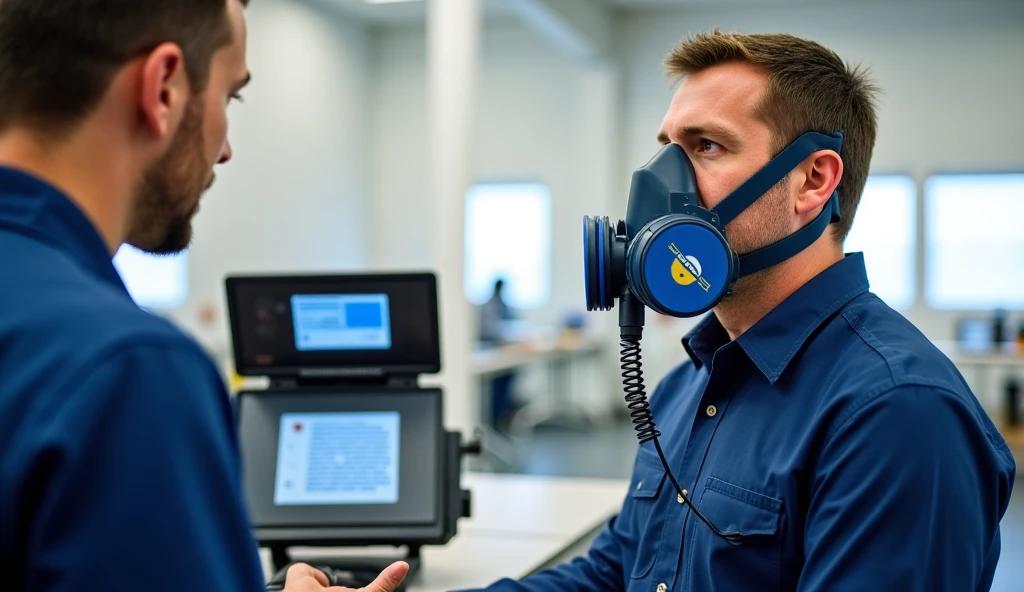
The portability of fit test kits is a significant factor in their successful application, especially in dynamic work environments. Kits with ergonomic designs and simple operational protocols improve the user experience, making on-site testing accessible and efficient. Feedback from users often indicates that portability greatly influences adherence to regular testing routines, highlighting the importance of user-friendly features in achieving consistent compliance with safety standards.
Ensuring Compliance With Updated Standards
Navigating OSHA’s Fast CNC Protocol Updates
Keeping abreast of OSHA’s updates, particularly regarding CNC (Condensation Nuclei Counter) protocols, is crucial for organizations aiming to maintain compliance and avoid penalties during audits. Such updates often include modifications in testing procedures, requiring organizations to adapt swiftly to maintain conformity. It is essential for safety managers to undergo regular training and partake in seminars to stay informed about these changes, as proactive compliance has been linked to improved safety outcomes and decreased incidents related to respiratory hazards. Studies indicate that organizations that consistently update and train their staff on compliance standards tend to report higher safety levels, demonstrating that preparedness can significantly enhance workplace safety.
Documentation and Record-Keeping Best Practices
Accurate and thorough documentation of fit testing results not only fulfills regulatory requirements but also enhances employee safety by providing clear evidence of compliance efforts. Utilizing digital record-keeping systems can streamline this process, improving efficiency in retrieval and organization of vital information. Best practices suggest maintaining these records for at least the duration mandated by OSHA, which is currently five years. Embracing digital solutions for documentation helps ensure records are readily accessible and properly backed up, thus avoiding potential issues during audits and ensuring a seamless approach to compliance management. Digital systems allow for easier updates, consistent tracking of employee compliance, and more efficient audits, creating a structured environment conducive to ongoing safety improvements.
—
Remember to regularly consult OSHA guidelines to ensure your organization’s practices align with updated standards, thereby enhancing both compliance and worker protection. Integrating digital solutions can effectively assist in maintaining accurate documentation, essential for both regulatory compliance and proactive safety management.
Implementing Your Fit Test Kit Effectively
Training Requirements for Test Administrators
Providing proper training for test administrators is crucial to ensure accuracy and compliance during fit testing. Administrators should seek certifications or training programs recognized by OSHA to enhance their proficiency and understanding of fit test protocols. Engaging with well-established training programs not only equips test administrators with necessary technical skills but also instills confidence, reducing the likelihood of errors. Industries report that having well-trained staff significantly mitigates the risk of testing errors, which in turn boosts overall safety rates. This emphasis on rigorous training aligns with best practices in occupational health and safety, ensuring that organizations remain compliant with OSHA’s demanding standards.
Common Mistakes to Avoid During Testing
Awareness of common pitfalls during fit testing can substantially enhance the reliability of results. Frequently observed errors include inadequate preparation, improper use of equipment, and neglecting pre-test checks, all of which can compromise the effectiveness of the test. Another common mistake is not following the manufacturer’s instructions closely, which can lead to inaccurate fit assessments. Educating administrators and employees about these prevalent mistakes through detailed reminders and procedural reviews can lead to more effective testing outcomes. Prioritizing comprehensive training and procedural adherence will bolster worker safety and maintain the integrity of the testing process.
FAQ
What is the importance of respirator fit testing?
Respirator fit testing is essential for ensuring that the respirators provide adequate protection against airborne contaminants. Proper fitting reduces the risk of exposure to hazardous environments and improves overall occupational health and safety.
What are OSHA’s requirements for fit testing?
OSHA requires that a fit test be done before initial use of a respirator and repeated annually to ensure compliance and safety. Non-compliance can lead to penalties and increased health risks.
How do qualitative and quantitative fit tests differ?
Qualitative fit tests are simpler and rely on sensory feedback, while quantitative tests use precise measurements and instruments to assess the fit. Both methods can be used to ensure comprehensive protection.
Why are CNC protocols significant in fit testing?
CNC protocols enhance testing efficiency by automating and standardizing procedures, reducing human errors, and improving data collection for consistent and reliable results.
What features should be prioritized when choosing a fit test kit?
Key features include accuracy, reliability, compatibility with different respirators, and portability to ensure effective and efficient safety protocols in diverse work environments.




留下评论