

Key Differences Between Manual and Electric Pallet Lifters
Power Source and Energy Requirements
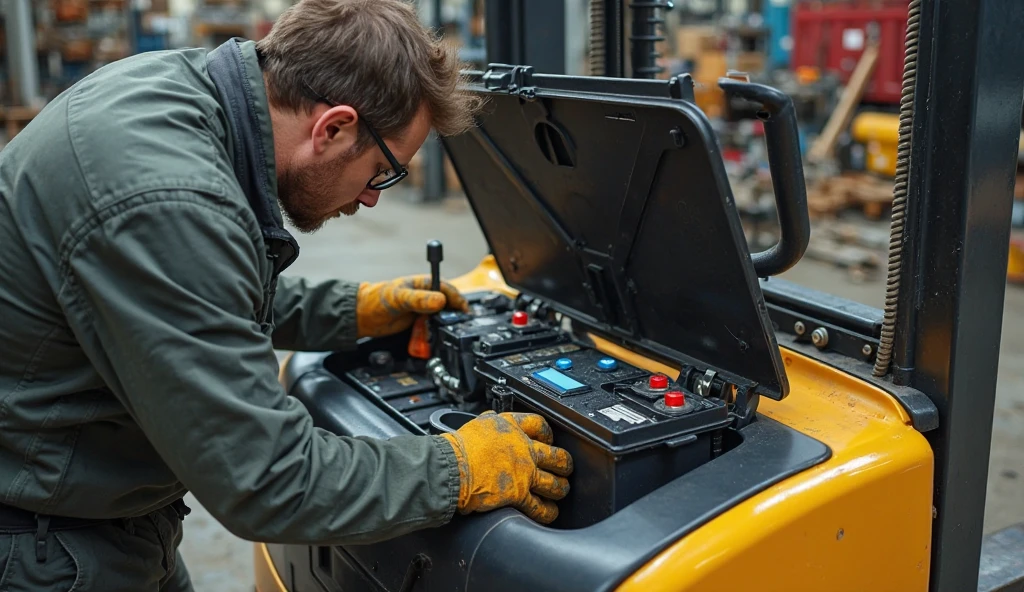
Manual pallet lifters are driven entirely by human power, eliminating the need for external energy sources. While this method reduces costs and environmental impact, it can be physically exhausting over long periods. On the other hand, electric pallet lifters operate using rechargeable batteries, providing a reliable power source that necessitates regular charging. This function allows for consistent usage, especially in prolonged shifts. Furthermore, electric models contribute to enhanced operational efficiencies in high-demand environments compared to their manual counterparts.
Load Capacity and Application Scope
Manual pallet lifters are designed with lower weight capacities, making them ideal for handling light to moderate loads in industries such as retail or small-scale warehousing. Their simpler build limits their applicability to lighter tasks. In contrast, electric pallet lifters can tackle significantly heavier loads, broadening their use across various sectors, including wholesale, manufacturing, and large-scale distribution. Knowing the precise load capacities of each model is crucial for selecting the appropriate lifter that meets your specific operational needs and ensures efficiency and safety.
Maneuverability in Tight Spaces
In scenarios where space is at a premium, manual pallet lifters excel due to their lightweight design and compact dimensions. These attributes allow them to navigate tight spaces, such as narrow aisles in warehouses or retail environments, with ease. Conversely, electric pallet lifters may require more operational space, especially those configured for heavier loads. Therefore, assessing the physical layout of your warehouse is vital in deciding between manual and electric options, ensuring that your choice aligns with agility requirements within specific spatial constraints.
Cost Analysis: Initial Investment vs. Long-Term Savings
Upfront Costs of Manual vs. Electric Models
When considering the purchase of pallet lifters, the initial costs play a crucial role. Manual pallet lifters are typically more affordable, presenting a financially accessible option for smaller businesses who may lack substantial capital. These models do not require expensive components, such as batteries or motors, which helps keep their costs low. In contrast, electric pallet lifters involve a higher upfront investment. Their advanced technology, including battery systems and motorized components, makes them more expensive initially. However, this investment can be justified over time by their ability to increase productivity and reduce labor costs in busy environments. Conducting a comparative analysis of these upfront costs is essential for businesses aiming to allocate their budgets effectively and ensure a balanced approach between expenditure and operational efficiency.
Operating Expenses and Energy Consumption
The choice between manual and electric pallet lifters also impacts ongoing operating expenses. Manual models incur negligible energy costs since they rely on human effort. However, they can lead to higher labor costs over time due to the physical demands placed on workers. In contrast, electric models require operating expenses primarily related to electricity for battery recharges. Despite this, their energy consumption can be more efficient, particularly in fast-paced environments, resulting in reduced labor expenses. Calculating these long-term costs is crucial for businesses to comprehend the overall financial impact of each type. A thorough understanding of these operational expenses is vital in ensuring that the chosen pallet lifter delivers consistent productivity while aligning with the company’s financial strategy.
Return on Investment Over Time
Evaluating the return on investment (ROI) for pallet lifters necessitates a comprehensive analysis of both maintenance costs and operational benefits. Electric models often offer a quicker ROI compared to their manual counterparts due to their enhanced efficiency and lower labor costs over time. According to industry reports, businesses that opt for electric pallet lifters typically recover their initial investment within just a few years. This rapid ROI can be attributed to factors such as increased output, reduced downtime, and greater safety for workers. By scrutinizing these elements, companies can make informed decisions that align with their long-term financial goals, prioritizing models that offer the best balance between upfront costs and continued savings.

Operational Efficiency and Workplace Productivity
Speed and Workflow Integration
Electric pallet lifters enhance operational efficiency by enabling rapid movement of goods, which optimizes warehouse operations and boosts productivity. In contrast, manual options may hinder workflows, depending heavily on the endurance levels of workers, thereby impacting overall productivity. It is crucial for businesses to understand the integration of these pallet lifters into existing workflows to ensure maximum efficiency and seamless operations. A thoughtful integration plan can capitalize on the speed and efficiency of electric models while minimizing disruptions common with manual systems.
Labor Intensity and Operator Fatigue
Operator fatigue is a significant concern with manual pallet lifters, especially in high-volume settings, as it can lead to decreased productivity over time. Electric models significantly reduce labor intensity by eliminating the physical demands associated with moving heavier loads, thus reducing worker fatigue. Research indicates that minimizing operator fatigue can notably improve workplace productivity and morale, as less physical strain translates into better performance and satisfaction among workers. In high-demand environments, electric models are particularly advantageous for maintaining a productive workflow and a satisfied workforce.
Battery Life vs. Manual Effort
The battery life of electric pallet lifters is a critical factor in maintaining their productivity, as it necessitates the effective scheduling of charging times. Unlike electric models, manual pallet lifters do not rely on battery life and maintain consistent manual effort. Analyzing the trade-off between battery longevity and operator exertion can inform businesses on the most suitable type of pallet lifter for specific operations. Prioritizing electric models can streamline operations in environments where the benefits of reduced manual effort outweigh the logistical challenges of battery management, while manual variants may suffice in smaller or budget-conscious settings.
Maintenance Requirements and Downtime Considerations
Routine Checks for Manual Pallet Lifters
Manual pallet lifters usually necessitate fewer maintenance interventions due to their simpler build, yet attentive routine checks are crucial to prevent operational issues. It is essential for users to regularly inspect components like wheels and hydraulic systems for wear and tear, which can cause accidents if left unchecked. Implementing a consistent maintenance schedule helps in identifying potential issues early, thus avoiding unexpected downtime and costly emergency repairs. Ensuring a rigorous routine not only extends the longevity of manual pallet lifters but also enhances safety, making routine checks a non-negotiable practice for operational success.
Electrical Component Maintenance
Electric pallet lifters integrate complex electronic systems, requiring a more comprehensive maintenance approach compared to manual models. Scheduled inspections for battery health and other electrical components are vital for maintaining seamless operations. Proactive maintenance routines, including battery performance checks and electronic inspections, help minimize unexpected downtimes, thereby boosting overall productivity. Understanding the technical specifications of each electric unit can greatly aid in tailoring its maintenance plan, allowing for efficient servicing that prolongs the equipment’s lifespan and ensures reliable performance in high-demand environments.
Repair Costs and Lifespan Expectations
Evaluating the lifespan and repair costs of both manual and electric pallet lifters is crucial for informed decision-making in operational strategies. Although electric models might incur higher repair expenses due to their sophisticated systems, they frequently offer longer service life when maintained properly. Businesses can benefit from conducting cost-benefit analyses, considering both immediate repair costs and the long-term replacement value of each model. Incorporating these insights into budget forecasts can greatly assist in aligning pallet lifter choices with broader financial and operational plans, ensuring sustainable and efficient resource utilization in the long term.
Choosing the Right Pallet Lifter for Your Business Needs
Warehouse Size and Layout Considerations
The size and layout of your warehouse can significantly influence the decision between manual and electric pallet lifters. Manual pallet lifters are generally more maneuverable and suited for narrow aisles and compact spaces due to their smaller size and ease of handling. On the other hand, electric lifters provide efficiency and power, making them ideal for larger spaces where they can easily handle long transport distances and heavy loads. Conducting an assessment of your warehouse’s physical environment is crucial for determining the most suitable equipment, ensuring operational efficiency and safety.
Frequency of Use and Load Demands
The frequency of use and load demands in your operations are critical factors in choosing the appropriate pallet lifter. Electric pallet lifters are favorable for high-frequency use due to their ability to handle heavier loads with less physical effort, increasing productivity in busy environments. Conversely, for less frequent use or lighter load requirements, manual models can be more cost-effective and sufficient. Assessing your operational needs and projected usage patterns helps guide you toward a solution that meets your business’s load-handling requirements without incurring unnecessary costs.
Industry-Specific Requirements (e.g., Food Processing, Retail)
Different industries have specific needs that can influence the choice of pallet lifter. For instance, the food processing industry requires equipment that complies with sanitation and hygiene standards, which often includes models with stainless steel components. In retail environments, electric pallet lifters are advantageous due to their efficiency and speed, especially during peak seasons. Understanding these industry-specific requirements is essential in making an informed decision. Identifying the norms and needs of your industry helps ensure that the chosen pallet lifter not only meets operational demands but also complies with regulatory standards and enhances overall productivity.
FAQ
What is the main difference between manual and electric pallet lifters?
Manual pallet lifters are powered by human effort and are suited for lighter loads, whereas electric pallet lifters are battery-operated and can handle heavier loads.
How do cost considerations differ between manual and electric pallet lifters?
Manual lifters have lower initial costs and maintenance, whereas electric lifters, despite being costlier initially, offer reduced labor costs and improved productivity over time.
Which type of pallet lifter is better for tight spaces?
Manual pallet lifters are preferable in tight spaces due to their light and compact design, facilitating easier maneuverability.
Are electric pallet lifters more efficient in larger warehouses?
Yes, electric pallet lifters are more suitable for larger warehouses as they handle longer distances and heavier loads more efficiently.




留下评论